
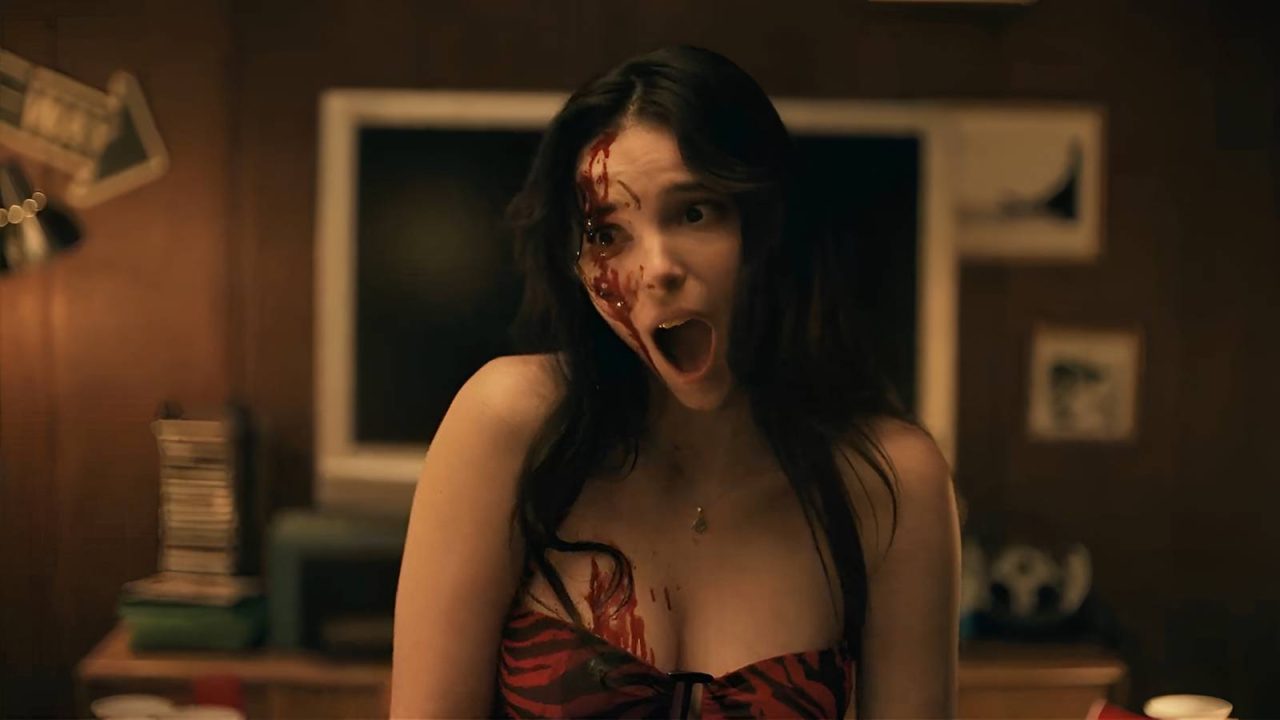
A horror film carrying a 97% rating on Rotten Tomatoes is generating serious buzz — and its roots stretch back more than a century to a short story that also happens to sit at the dark heart of one of Stephen King’s most disturbing novels. The connection between a 124-year-old piece of fiction, King’s Pet Sematary, and this upcoming film is a reminder that the most enduring horror ideas don’t age. They just keep coming back.
The story in question is W.W. Jacobs’ “The Monkey’s Paw,” published in 1902. It’s a deceptively simple tale about grief, desperate wishes, and the monstrous consequences of wanting something back that was never meant to return. King has cited it openly as a foundational influence on Pet Sematary, and now it’s inspiring a new generation of horror filmmakers who clearly understand why that premise still works.
For fans of literary horror and Stephen King adaptations alike, the timing couldn’t be more interesting. Here’s what connects these dots — and why this upcoming film already has horror audiences paying close attention.
The 124-Year-Old Story That Refuses to Die
“The Monkey’s Paw” is one of those short stories that punches far above its word count. Written by British author W.W. Jacobs and first published in 1902, it follows a family that comes into possession of a cursed monkey’s paw — a talisman said to grant three wishes. The horror isn’t in the supernatural mechanics. It’s in what grief makes people do when they’re handed the chance to undo the unthinkable.
A son dies. A mother, consumed by loss, wishes him back. And then something knocks at the door.
That final image — the knock, the question of what exactly has returned — is one of the most quietly devastating moments in horror literature. Jacobs never tells you what’s on the other side of that door. He doesn’t need to. Your imagination does the work, and it always imagines something worse than any description could deliver.
Stephen King understood exactly why that worked. In writing Pet Sematary, he took the same emotional engine — a parent who cannot accept the death of a child — and drove it as far as it would go. King has described the novel as the one that genuinely frightened him, the book he initially didn’t want to publish because he felt he had gone too far. That reaction says something about how powerful the underlying idea is.
Why Stephen King Called “Pet Sematary” His Scariest Book
Pet Sematary, published in 1983, follows the Creed family after they move to rural Maine and discover a burial ground with the power to resurrect the dead. When tragedy strikes, the father makes the same choice the mother makes in “The Monkey’s Paw” — and the consequences are similarly, irreversibly catastrophic.
King has been candid about his complicated relationship with the novel. He felt the story tapped into something primal — the fear every parent carries, the one that lives just below the surface of every ordinary day. The idea that love, taken to its most desperate extreme, becomes the most dangerous force imaginable.
That’s the thread connecting Jacobs’ 1902 story to King’s 1983 novel to the upcoming film now earning near-perfect critical scores. The premise hasn’t been exhausted. If anything, it seems to resonate more with each retelling.
The Upcoming Film and What Makes It Stand Out
The new horror film drawing comparisons to both “The Monkey’s Paw” and the thematic world of Pet Sematary arrives with rare critical momentum. A 97% score on Rotten Tomatoes before wide release puts it in rarefied air for the genre, where anything above 80% is considered strong and films in the high 90s are genuinely exceptional.
What critics appear to be responding to is the film’s commitment to the same emotional logic that makes This isn’t horror built on jump scares or spectacle. It’s horror built on a question: how far would you go?
| Title | Year | Creator | Core Theme |
|---|---|---|---|
| “The Monkey’s Paw” | 1902 | W.W. Jacobs | Grief-driven wishes with monstrous consequences |
| Pet Sematary | 1983 | Stephen King | Parental love corrupted by refusal to accept death |
| Upcoming Horror Film | 2026 | TBC | Inspired by the same 124-year-old premise |
Why This Lineage of Horror Keeps Working
There’s a reason filmmakers and authors keep returning to “The Monkey’s Paw” as a template. It works because it doesn’t ask you to believe in anything supernatural to feel the fear. You just have to believe in grief. You have to believe that a person in enough pain might make a choice they know is wrong.
That’s universally human. And horror that is universally human doesn’t have an expiration date.
King’s genius with Pet Sematary was in extending that logic past the point of comfort — past the point where you can tell yourself you’d make a different choice. By the end of the novel, the horror isn’t what comes back from the dead. It’s the recognition that the character’s choices were almost understandable, step by step, right up until they weren’t.
The best horror holds up a mirror. “The Monkey’s Paw” did it in 1902. Pet Sematary did it in 1983. If the critics are right, this upcoming film is about to do it again in 2026.
What Audiences Should Expect Going In
If the film honors its inspirations, viewers should prepare for something quieter and more psychologically demanding than typical genre fare. The horror in this lineage isn’t loud. It builds slowly, through character and consequence, until the weight of it becomes genuinely difficult to carry.
That’s exactly the kind of horror that stays with you. Not the image on the screen, but the question it leaves behind — the one you’re still turning over days later, hoping you’d answer differently than the characters did.
Based on its critical reception so far, this film appears to understand that assignment completely.
Frequently Asked Questions
What is the 124-year-old story that inspired the upcoming horror film?
The story is “The Monkey’s Paw,” a short horror tale written by W.W. Jacobs and first published in 1902, about a family whose grief-driven wishes lead to catastrophic consequences.
How is “The Monkey’s Paw” connected to Stephen King’s Pet Sematary?
King has acknowledged “The Monkey’s Paw” as a foundational influence on Pet Sematary, with both stories centering on the horror of desperate attempts to bring back the dead.
Why did Stephen King consider Pet Sematary his scariest book?
King has described Pet Sematary as the novel that genuinely frightened him — one he initially didn’t want to publish because he felt he had pushed the premise too far.
What Rotten Tomatoes score does the upcoming horror film currently hold?
The film currently holds a 97% score on Rotten Tomatoes, placing it among the most critically praised horror releases in recent memory.
When was “The Monkey’s Paw” originally published?
W.W. Jacobs published “The Monkey’s Paw” in 1902, making it 124 years old at the time of this upcoming film’s release in 2026.



Leave a Reply