
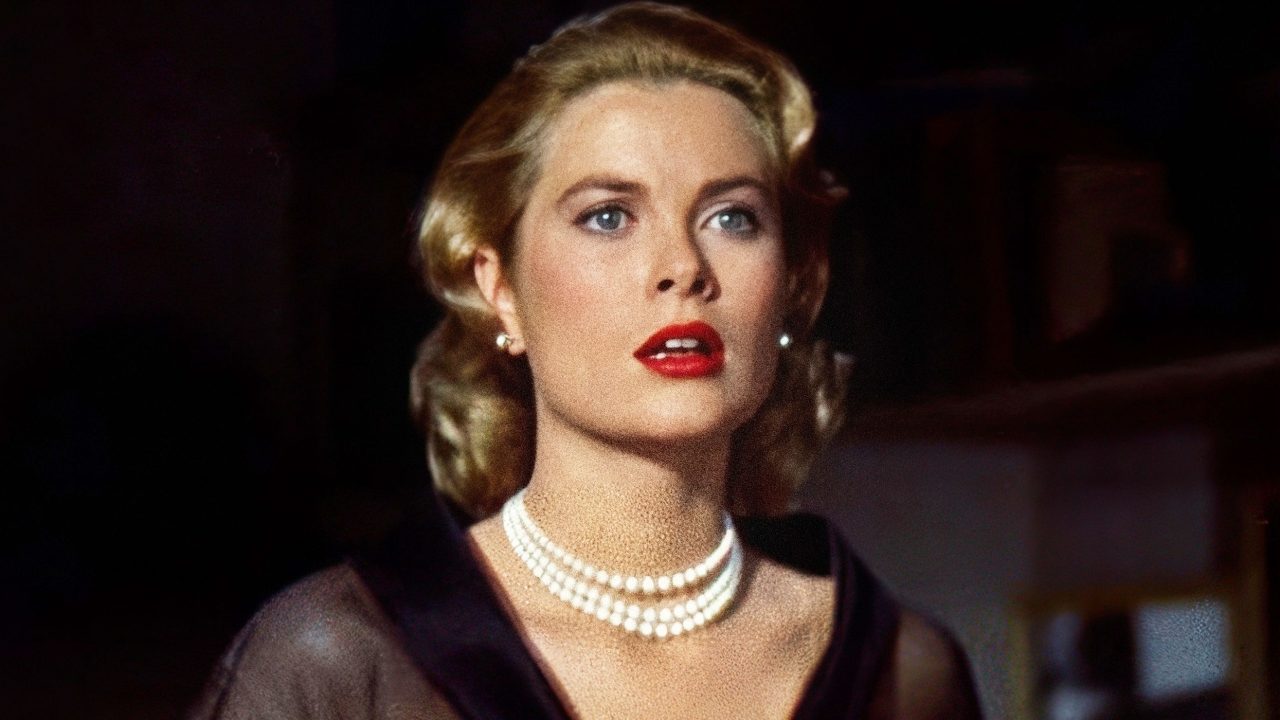
Seventy years ago, cinema was having a remarkable moment. The year 1954 produced a collection of films so enduring, so formally ambitious, and so emotionally resonant that they are still studied, screened, and celebrated today. These weren’t just popular movies — they were works that redefined what film could do.
From Japanese samurai epics to Italian neorealism, from Hollywood westerns to psychological thrillers, 1954 was a genuinely extraordinary year for world cinema. The films released that year didn’t just entertain audiences of the time — they shaped the entire vocabulary of modern storytelling on screen.
Here’s a look at the movies from 1954 that have earned their place as genuine classics, and why they still matter.
Why 1954 Was One of Cinema’s Most Important Years
The mid-1950s were a period of enormous creative tension in filmmaking. Hollywood was grappling with the rise of television, the fallout from the Red Scare, and shifting audience tastes. Meanwhile, international cinema — particularly in Japan, Italy, and France — was producing some of the most daring and original work the medium had ever seen.
The result was a year in which filmmakers across the world seemed to be pushing simultaneously against the limits of their craft. Genre conventions were being subverted. Visual styles were growing bolder. Themes that had once been considered too dark or too complex for mainstream audiences were being brought to the screen with confidence and care.
That creative pressure produced films that have outlasted almost everything made around them.
The 1954 Movies Now Considered Classics
The films from this year that have achieved classic status span an impressive range of genres, countries, and styles. What they share is a quality that resists easy description — a sense that the filmmakers were making something they genuinely believed in, and that belief comes through in every frame.
Below is a structured look at ten of the most celebrated films from 1954, along with the directors who made them and the countries in which they were produced.
| Film Title | Director | Country | Genre |
|---|---|---|---|
| Seven Samurai | Akira Kurosawa | Japan | Action / Drama |
| Rear Window | Alfred Hitchcock | United States | Thriller / Mystery |
| La Strada | Federico Fellini | Italy | Drama |
| Godzilla (Gojira) | Ishirō Honda | Japan | Science Fiction / Horror |
| Sabrina | Billy Wilder | United States | Romantic Comedy |
| On the Waterfront | Elia Kazan | United States | Crime / Drama |
| The Barefoot Contessa | Joseph L. Mankiewicz | United States / Italy | Drama |
| Senso | Luchino Visconti | Italy | Historical Drama |
| A Star Is Born | George Cukor | United States | Musical / Drama |
| Dial M for Murder | Alfred Hitchcock | United States | Thriller |
What Makes These Films Hold Up After Seven Decades
The staying power of these movies comes down to a few consistent qualities. First, almost all of them are built around genuinely compelling human questions — about loyalty, ambition, fear, love, and survival. Those questions don’t age.
Second, the filmmakers behind these works were operating at the peak of their craft. Akira Kurosawa’s Seven Samurai is widely credited as one of the most influential action films ever made, its structure and rhythm still echoed in films produced today. Alfred Hitchcock, who appears twice on this list with Rear Window and Dial M for Murder, was at the height of his powers in 1954 — constructing suspense with a precision that has rarely been matched.
Federico Fellini’s La Strada brought a raw emotional honesty to Italian cinema that helped define the neorealist movement. And Godzilla — often misread as simple monster-movie entertainment — was in fact a deeply serious allegory about nuclear destruction, made by a country that had lived through Hiroshima and Nagasaki less than a decade earlier.
Elia Kazan’s On the Waterfront, starring Marlon Brando, became one of the defining American films of the decade — a gritty, morally complex portrait of corruption and conscience that felt unlike anything Hollywood had produced before it.
The Films That Surprised Audiences Then and Still Surprise Now
Some of these movies were recognized immediately as important. Others took longer to find their full reputation. La Strada won the Academy Award for Best Foreign Language Film and introduced international audiences to Fellini’s singular vision. On the Waterfront won eight Academy Awards, including Best Picture.
But Godzilla is perhaps the most interesting case study in retrospective appreciation. What began as a genre film — and was significantly re-edited for Western release — has since been recognized as a genuinely powerful piece of filmmaking, its metaphorical weight fully understood only in later decades.
Senso, Luchino Visconti’s lush and tragic historical drama, was also somewhat overshadowed on release but has grown considerably in critical standing over the years, now regarded as one of the great Italian films of the era.
Why These 1954 Classics Still Deserve Your Attention
If you’ve never watched any of these films, the good news is that most of them are more accessible than their age might suggest. Rear Window is as tense and entertaining as any modern thriller. Seven Samurai, despite its three-and-a-half-hour runtime, moves with a propulsive energy that keeps audiences locked in. A Star Is Born, featuring Judy Garland in what many consider the performance of her career, remains emotionally devastating.
These aren’t films you watch out of obligation to film history. They’re films that still work — still move, still thrill, still make you think. That’s the real test of a classic, and every film on this list passes it.
Frequently Asked Questions
What is considered the most important film from 1954?
Seven Samurai by Akira Kurosawa is widely regarded as one of the most influential films ever made, not just from 1954, and its impact on action and ensemble filmmaking continues to be felt today.
Did any 1954 films win major awards at the time?
Yes — On the Waterfront won eight Academy Awards including Best Picture, and La Strada won the Academy Award for Best Foreign Language Film.
Is the original Godzilla film really considered a classic?
The original 1954 Japanese Godzilla, directed by Ishirō Honda, is now widely recognized as a serious and powerful film — a nuclear allegory rooted in Japan’s lived experience of atomic destruction, rather than simple monster-movie entertainment.
How many 1954 films did Alfred Hitchcock direct?
Hitchcock directed two films that appear on this classic films list from 1954 — Rear Window and Dial M for Murder — both of which remain celebrated examples of his mastery of suspense.
Are these films easy to find and watch today?
Most of these classics are widely available through streaming platforms, physical media, and digital rental services, making them far more accessible than their age might suggest.
Why did so many great films come out in 1954 specifically?
The mid-1950s represented a period of intense creative energy in world cinema, driven by competition with television, evolving audience tastes, and bold new voices emerging in Japan, Italy, and Hollywood simultaneously.


Leave a Reply