
▶ Read transcript
Here’s what you need to know about the Amarnath Yatra pilgrimage in 2026. This sacred trek to a Himalayan cave shrine at nearly 3,900 meters above sea level is one of India’s most demanding pilgrimages, and this year the rules are stricter than ever. Registration opens April 15th, both online and at over 550 bank branches across India, with the pilgrimage running from July 3rd through August 28th. Only pilgrims between the ages of 13 and 70 can register, and you must have a valid medical certificate from an authorized doctor — no exceptions at any checkpoint. The altitude is genuinely dangerous, sitting more than 1,300 meters above the threshold where most people start experiencing mountain sickness. And you have two route options — the longer, more gradual Pahalgam trail or the shorter but brutally steep Baltal route. Your actionable takeaway: get your medical clearance sorted well before April 15th, because without it, you simply cannot register.
Have you ever wanted something so intensely that the wanting itself became a kind of devotion? That is what millions of Indians feel every year about the Amarnath Yatra — a pilgrimage to a frozen Shiva lingam tucked inside a Himalayan cave at 3,888 meters above sea level. And in 2026, that longing is colliding with a registration system that is more restrictive, more structured, and more demanding than ever before.
The annual yatra runs from July 3 to August 28, 2026, a 57-day window that sounds generous until you realize slots are capped, eligibility criteria are strict, and the mountain does not forgive the unprepared. Registration opens April 15, 2026, both online and at over 550 designated bank branches across India.
What follows is a countdown of the five most critical realities shaping this year’s pilgrimage. Understand these before you book a single train ticket.
5. Two Routes, Two Very Different Physical Demands
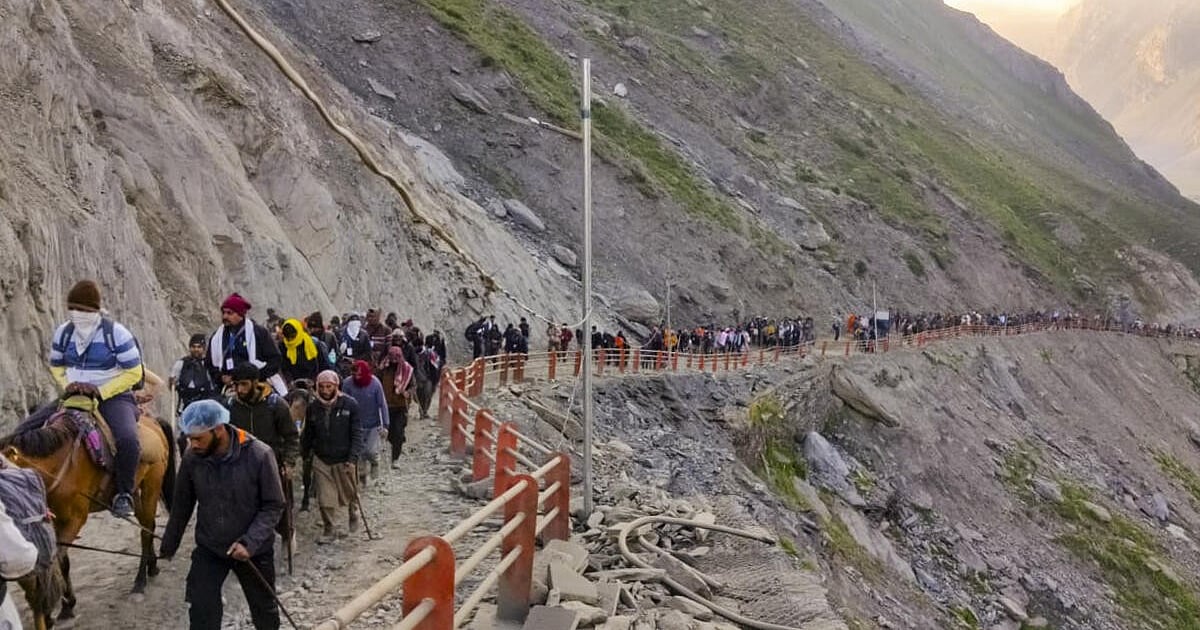
Most pilgrims don’t realize there are two primary trekking routes to the Amarnath Cave Shrine, and choosing the wrong one can turn a spiritual journey into a medical emergency. The Pahalgam route (traditional track) covers roughly 46 kilometers over 3–5 days, passing through Chandanwari, Sheshnag, and Panjtarni. It is longer but more gradual.
The Baltal route is shorter at approximately 14 kilometers, but the ascent is steep and relentless. Many pilgrims attempt Baltal as a single-day trek, which at high altitude is an aggressive gamble with your cardiovascular system. Altitude sickness — headaches, nausea, disorientation — can strike anyone regardless of fitness level.
| Route | Distance | Duration | Difficulty |
|---|---|---|---|
| Pahalgam (Traditional) | ~46 km | 3–5 days | Moderate, gradual |
| Baltal (Short) | ~14 km | 1–2 days | Steep, demanding |
The Pahalgam route also holds deep mythological significance. According to tradition, this is where Lord Shiva left his bull Nandi before continuing toward the cave to share the secret of immortality with Goddess Parvati. That spiritual weight makes every kilometer feel earned.
4. The ₹220 Registration Fee Hides a Much Larger Cost of Entry
At approximately ₹220 per person, the official registration fee for Amarnath Yatra 2026 sounds almost symbolic. Confirm the exact current figure at the official SASB website before completing your application. But the real cost of entry is measured in logistics, time, and physical preparation.
Registration must be completed at over 550 designated bank branches or through the official online portal. Pilgrims must carry original photo identification and a valid medical certificate issued by an authorized doctor. Without both documents physically in hand, entry at any checkpoint is denied.
The registration system also controls daily pilgrim flow through slot allocation. Once your preferred date is booked, it is tied to a specific route and batch. There is no casual walk-in system anymore. The era of spontaneous Himalayan pilgrimage is effectively over.
3: Age Restrictions Cut Off Two Ends of the Devotee Spectrum
This is where the 2026 yatra gets genuinely painful for many families. According to official guidelines, only pilgrims aged between 13 and 70 years are eligible to register. Children under 13 and adults over 70 are not permitted.
For many Indian families, this yatra is a multigenerational aspiration — grandparents who have waited decades and grandchildren eager to experience their first pilgrimage. The age cap forces hard decisions about who completes the journey and who waits at basecamp.
“Persons with age below 13 years and above 70 years are not allowed. Pregnant women with more than 6 weeks of pregnancy are not allowed. Carry your original Photo ID and Medical Certificate with you during the yatra.”
— Official Amarnath Yatra Eligibility Guidelines
The pregnancy restriction is equally firm. Women more than six weeks pregnant are barred from participating. These rules exist for unavoidable reasons: the combination of altitude, physical exertion, and cold conditions creates genuine health risks that cannot be managed on an open mountain trail.
2: High Altitude at 3,888 Meters Is Not a Detail — It Is the Central Challenge
The Amarnath Cave sits at approximately 3,888 meters above sea level. To put that in perspective, most people begin experiencing altitude sickness symptoms above 2,500 meters. The shrine is more than 1,300 meters above that threshold.
Acute Mountain Sickness (AMS) presents with headaches, fatigue, dizziness, and loss of appetite. In severe cases, it progresses to High Altitude Pulmonary Edema (HAPE) or High Altitude Cerebral Edema (HACE), both of which are life-threatening without immediate descent and medical intervention. Every pilgrimage season records casualties, and most are preventable with proper acclimatization.
The medical certificate requirement directly addresses this concern. Pilgrims must get cleared by an authorized physician before registration is processed. Conditions like uncontrolled hypertension, severe asthma, recent cardiac events, and respiratory illness are disqualifying factors. This is not bureaucratic inconvenience — it is a genuine attempt to reduce deaths on the mountain.
Helicopter services from Baltal and Panjtarni are available for those who cannot complete the trek on foot, but even helicopter passengers are exposed to rapid altitude changes that carry risk. The mountain demands respect from everyone, regardless of how they arrive.
1: The Registration Window Opens April 15 — And the Slot Scarcity Is Real
Here is the number one reality every prospective pilgrim needs to internalize before anything else: registration opens April 15, 2026, and slots fill fast. The Shri Amarnathji Shrine Board (SASB) controls daily pilgrim caps along both routes. Once a date-route combination is fully booked, it is gone.
This is not a theoretical concern. In recent yatra seasons, popular dates — particularly those around the Shravan Purnima festival that traditionally marks the pilgrimage’s peak — fill within days of registration opening. The 2026 yatra runs July 3 to August 28, giving 57 days of possible trekking. But the most auspicious dates compress demand into a much smaller window.
The broader shift this scarcity represents is worth sitting with. Amarnath Yatra is no longer an act of spontaneous faith that you decide to undertake in the morning. It is now a structured, planned, medically vetted event with a bureaucratic front end. Some devotees resent this. Others argue it has saved lives.
What is undeniable is that Himalayan spiritual tourism has changed permanently. The infrastructure built around Amarnath — helicopter services, medical camps, GPS tracking for pilgrims, RFID-based registration tags — reflects a government calculation that sacred journeys and modern safety systems must coexist. The cave is still ice-cold and ancient. The path to it is increasingly managed.
What Every Pilgrim Should Do Before April 15
The practical takeaway from this countdown is simple but urgent. First, visit an authorized physician immediately and obtain your medical fitness certificate. Second, gather valid government-issued photo ID. Third, decide on your route and preferred dates based on physical fitness, not sentiment alone.
On April 15, log onto the official portal or visit a designated bank branch the moment registration opens. Do not assume a weekend in late July will be available if you wait two weeks. The most sought-after dates will vanish quickly.
Fourth, begin altitude acclimatization training now. Even moderate cardiovascular exercise at lower altitudes improves your body’s response to reduced oxygen. Hydration, slow ascent, and knowing when to turn back are not signs of weak faith. They are signs of a pilgrim who intends to return home.
The Amarnath Cave has drawn pilgrims for centuries through ice, rain, and thin mountain air. The rules have changed. The mountain has not. Whether that tension between ancient devotion and modern regulation enriches or diminishes the experience may depend entirely on how seriously you prepare before you ever reach Pahalgam.
The slot you book in April is not a ticket. It is an obligation to show up ready.
Frequently Asked Questions

You Might Also Like
Airbnb’s Best of British Winners Are Quietly Reshaping UK Tourism
A £1 million investment. Twenty-five winners selected from thousands of applications. And a clear message…
La Réunion Is Quietly Winning Over South African Travellers At WTM Africa
A volcanic island floating in the Indian Ocean, just a few hours from Johannesburg, is…

StarDream Cruises Is Bringing Bhajan Jamming to the Open Sea
What if your next cruise vacation came with something you’ve almost certainly never experienced at…
Leave a Reply