
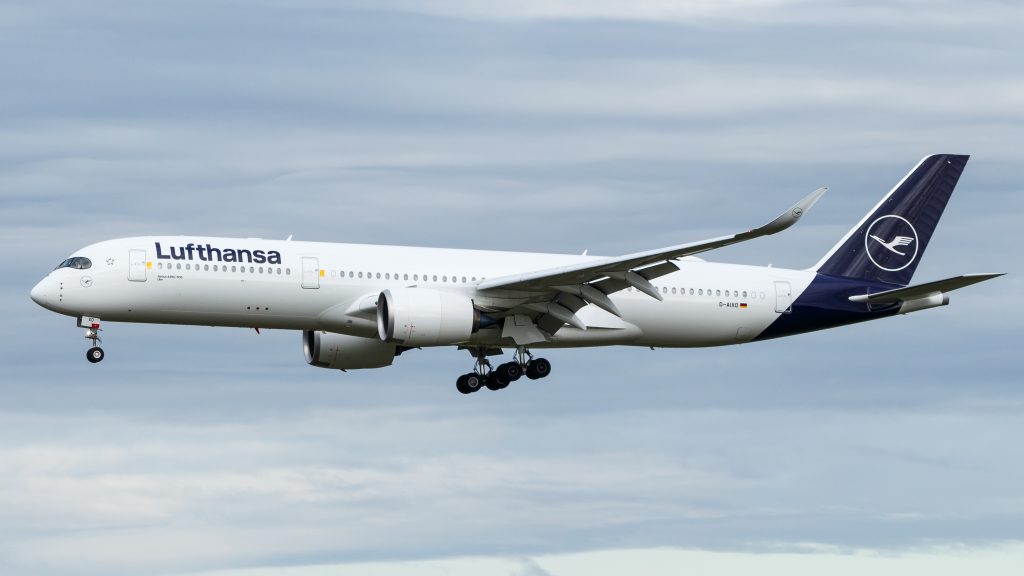
Have you ever stood at a departure gate and wondered how a single airline could reshape an entire nation’s identity? It sounds like an overstatement until you look at Germany. The country’s reputation as a world-class travel destination is inseparable from the story of aviation that took root over a century ago — and right now, that story is reaching a crescendo.
Lufthansa is marking 100 years of aviation excellence, and the centennial is sending ripple effects across the global travel industry. Anniversary flights are lifting off. Spectacular events are drawing visitors to German cities. And travelers everywhere are reconsidering Germany as a destination worth rediscovering.
This isn’t just a corporate birthday party. It’s a moment that reveals everything about why aviation matters, who it serves, and where it’s headed. We’ve ranked the five most compelling reasons this centennial is changing the game — starting with what’s happening on the ground right now.
#5: Germany Is Reclaiming Its Status as Europe’s Must-Visit Hub
Germany has always been a country of contrasts. Medieval castles shadow glass-and-steel financial districts. Quiet Black Forest villages sit hours from some of the world’s busiest airports. But for years, travelers bypassed Germany in favor of splashier destinations.
The Lufthansa centennial is changing that calculus. Anniversary campaigns are spotlighting German cities — Frankfurt, Munich, Hamburg, Berlin — not just as transit points but as destinations with genuine depth. Tourism boards are capitalizing on the moment, bundling centennial events with cultural programming that gives visitors a reason to linger.
Frankfurt, home to Lufthansa’s primary hub at Frankfurt Airport, is seeing particular attention. The airport itself is one of the busiest in the world, processing tens of millions of passengers annually. When a landmark airline declares its home city a place worth celebrating, travelers listen.
#4: The Anniversary Flights Are Redefining What a Journey Feels Like
What does an airline do when it turns 100? It flies. But not just anywhere, and not just any way.
Lufthansa’s centennial anniversary flights are designed as experiences unto themselves. These aren’t ordinary routes with a commemorative napkin. They’re carefully curated journeys that retrace historic paths, honor pioneering routes, and give passengers a tangible connection to a century of aviation history.
Early commercial aviation was a different world. Passengers dressed formally. Flights were slow, loud, and genuinely remarkable. By staging anniversary flights that echo those origins while showcasing modern cabin technology, Lufthansa is doing something clever: it’s reminding travelers that flying was once considered magic.
“Aviation has always been about more than transportation. It’s about the radical human act of deciding that distance is not destiny.”
— Aviation historian perspective on centennial milestones
For travelers booking these commemorative routes, there’s a premium experience attached — limited editions, onboard programming, and the simple, powerful feeling of being part of a historic moment. That emotional layer is something no budget carrier can replicate.
#3: Spectacular Centennial Events Are Flooding German Cities with Visitors
Centennial celebrations don’t stay in airports. They spill into cities, museums, squares, and concert halls. Lufthansa’s 100-year milestone has triggered a cascade of public events across Germany that are drawing aviation enthusiasts, casual tourists, and history lovers simultaneously.
| City | Centennial Event Type | Visitor Appeal |
|---|---|---|
| Frankfurt | Aviation history exhibitions, airport open days | Aviation buffs, history travelers |
| Munich | Ceremonial anniversary flights, gala events | Luxury travelers, culture seekers |
| Hamburg | Aerospace showcases, public flight displays | Families, technology enthusiasts |
| Berlin | Cultural programming, aviation-themed art installations | Art lovers, city explorers |
The economic effect of event-driven tourism is well-documented. When a city becomes a pilgrimage point for a specific occasion, hospitality, retail, and dining all feel the benefit. Germany’s tourism infrastructure, already among the strongest in Europe, is built to absorb this kind of surge.
For travelers who’ve delayed a Germany trip, the centennial events offer something rare: a time-limited reason to finally book. That urgency is real, and it’s working.
#2: Lufthansa’s Century Proves Why National Carriers Still Matter
The airline industry has spent the last two decades telling a story about disruption. Budget carriers would democratize travel. Legacy airlines would wither. Passengers only cared about price.
Lufthansa’s centennial is a quiet but powerful rebuttal to that narrative. A 100-year-old national carrier that still commands global respect, still connects over 200 destinations, and still carries the cultural weight of its home country on every flight isn’t a relic. It’s proof that institutional aviation has a role no app-based startup can replicate.
National carriers serve routes that are economically marginal but geographically vital. They train generations of pilots, engineers, and logistics professionals. They carry diplomatic passengers, medical cargo, and humanitarian aid alongside tourists and business travelers. Lufthansa has done all of this for a century.
The anniversary isn’t just about looking back. It’s a declaration that legacy, expertise, and national identity still matter in the age of algorithmic pricing and middle-seat debates. For travelers, that translates into something tangible: flying with an airline that has a century’s worth of reasons to get it right.
#1: The Centennial Is a Window Into Aviation’s Next Era — and You Should Pay Attention
Here’s the thing about anniversaries: the best ones aren’t retrospectives. They’re launchpads.
#pvv_bar_chart_lufthansa {
font-family: -apple-system, BlinkMacSystemFont, ‘Segoe UI’, Roboto, sans-serif;
margin: 2rem 0;
border-radius: 12px;
box-shadow: 0 4px 24px rgba(0,0,0,0.08);
background: #fff;
overflow: hidden;
}
#pvv_bar_chart_lufthansa .pvv-bc-header {
background: linear-gradient(135deg, #2d3436 0%, #636e72 100%);
color: #fff;
padding: 1.25rem 1.5rem;
font-size: 1.15rem;
font-weight: 700;
}
#pvv_bar_chart_lufthansa .pvv-bc-body { padding: 1.5rem; }
#pvv_bar_chart_lufthansa .pvv-bc-row {
display: flex;
align-items: center;
margin-bottom: 0.75rem;
}
#pvv_bar_chart_lufthansa .pvv-bc-label {
width: 120px;
flex-shrink: 0;
font-size: 0.85rem;
font-weight: 600;
color: #2d3748;
text-align: right;
padding-right: 1rem;
white-space: nowrap;
overflow: hidden;
text-overflow: ellipsis;
}
#pvv_bar_chart_lufthansa .pvv-bc-track {
flex: 1;
height: 32px;
background: #f7fafc;
border-radius: 6px;
overflow: hidden;
}
#pvv_bar_chart_lufthansa .pvv-bc-bar {
height: 100%;
border-radius: 6px;
display: flex;
align-items: center;
justify-content: flex-end;
padding-right: 8px;
min-width: 40px;
}
#pvv_bar_chart_lufthansa .pvv-bc-value {
font-size: 0.75rem;
font-weight: 700;
color: #fff;
white-space: nowrap;
text-shadow: 0 1px 2px rgba(0,0,0,0.2);
}
@media (max-width: 640px) {
#pvv_bar_chart_lufthansa .pvv-bc-label { width: 80px; font-size: 0.75rem; }
#pvv_bar_chart_lufthansa .pvv-bc-track { height: 26px; }
#pvv_bar_chart_lufthansa .pvv-bc-header { font-size: 1rem; padding: 1rem; }
}

You Might Also Like
UK’s Quantum Navigation Trials Are Changing How Trains Find Their Way
Britain’s rail network is about to take a leap that most passengers won’t see coming…
Disney Cruise Line’s Newest Ship Is Built Around a Theme No One Saw Coming
Disney has a new ship on the way — and if the early details are…
United Airlines Is Adding 250 New Aircraft and Your Seat Will Feel It
More than 250 new aircraft are heading to United Airlines’ fleet by 2028 — and…
Leave a Reply