
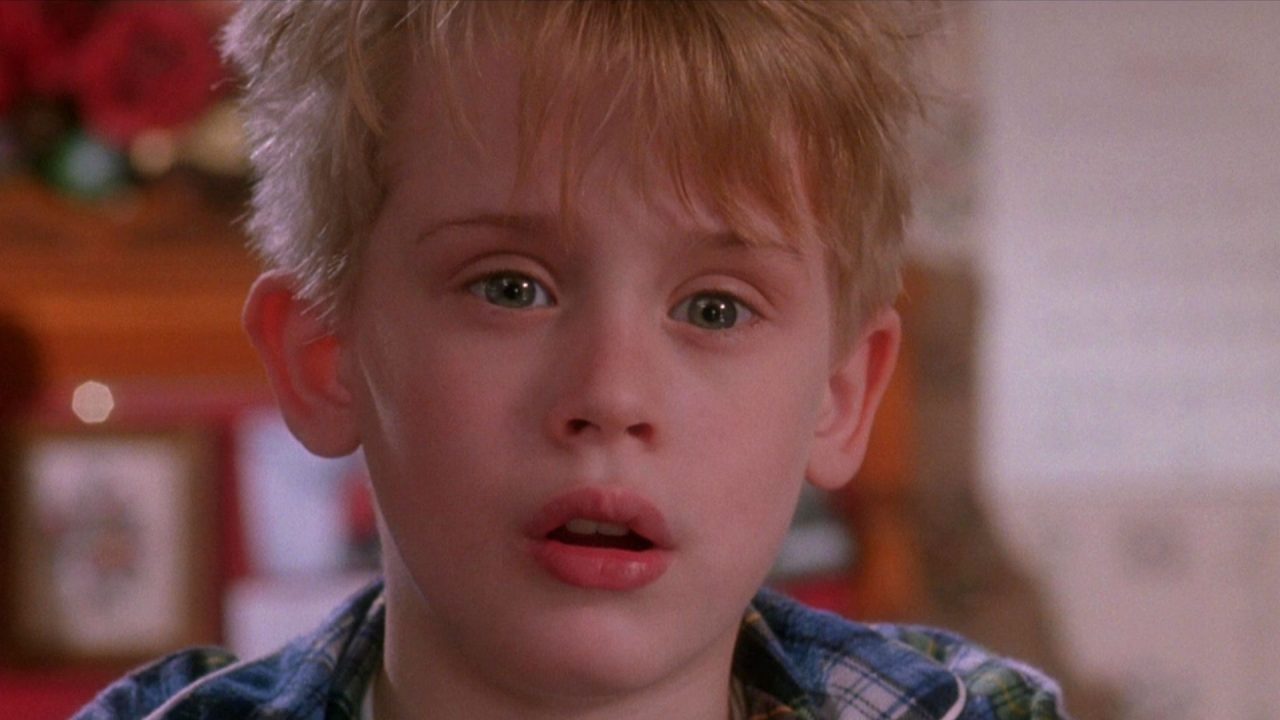
Few decades in cinema history produced a run of children’s films quite like the 1990s. From animated epics to live-action adventures, the era delivered movies that didn’t just entertain kids — they shaped entire generations, created cultural touchstones still referenced today, and proved that stories made for young audiences could carry genuine emotional weight.
Whether you grew up watching them in theaters, wore out a VHS tape, or discovered them through a parent’s recommendation, the greatest ’90s kids movies have a staying power that’s genuinely hard to explain. They weren’t just good for their time. Many of them are simply good, full stop.
Here’s a look at what made the decade’s best children’s films so remarkable — and why they still hold up.
Why the ’90s Were a Golden Age for Kids’ Cinema
The 1990s saw a convergence of forces that made children’s filmmaking unusually ambitious. Disney was in the middle of what’s widely called its second golden age. Pixar was just getting started and immediately changing what animation could do. Live-action family films were getting bigger budgets, sharper scripts, and more serious creative attention than they had in decades.
Studios had also figured out something important: kids’ movies didn’t need to talk down to their audience. The films that resonated most were the ones willing to deal with loss, fear, identity, and belonging — themes that land just as hard for a seven-year-old as for an adult, sometimes harder.
The result was a decade of films that parents and children genuinely wanted to watch together, not just movies parents tolerated while their kids sat glued to the screen.
What the Greatest ’90s Kids Movies Actually Had in Common
Looking across the decade’s standout titles, a few qualities keep appearing. The best of them shared certain traits that separated them from the forgettable filler that also came out in the same era.
- Emotional honesty: The films didn’t shy away from difficult feelings. Loss, loneliness, and fear were treated as real, not obstacles to be quickly resolved.
- Strong characters: Protagonists had actual arcs. They changed, made mistakes, and had to earn their endings.
- Universal themes: The best stories worked regardless of age. Friendship, identity, courage, and belonging translate across generations.
- Craft and ambition: Whether animated or live-action, the decade’s best kids’ films were made by people who cared deeply about the work.
- Rewatchability: These are movies people return to as adults and find new meaning in — a quality that separates lasting classics from one-time watches.
A Snapshot of the Era’s Most Celebrated Films
The 1990s produced a remarkable volume of children’s films that critics, audiences, and cultural memory have elevated above the rest. While any definitive ranking will spark debate, certain titles appear on virtually every list of the decade’s best.
| Film | Year | Why It Stands Out |
|---|---|---|
| The Lion King | 1994 | Shakespearean themes, iconic soundtrack, emotional devastation |
| Toy Story | 1995 | Launched Pixar, redefined animated storytelling |
| Home Alone | 1990 | Defined the decade’s live-action family comedy |
| Aladdin | 1992 | Robin Williams performance, sharp humor, enduring songs |
| The Little Mermaid | 1989/re-released 1997 | Sparked the Disney Renaissance that defined the era |
| Matilda | 1996 | Roald Dahl adaptation beloved for its wit and heart |
| Space Jam | 1996 | Cultural phenomenon blending sports, animation, and nostalgia |
| A Bug’s Life | 1998 | Pixar’s underdog story with surprising depth |
These films weren’t just commercially successful — many of them changed what the industry believed children’s entertainment could accomplish.
The Films That Hit Hardest — and Why
Some ’90s kids movies are remembered fondly. Others left actual marks. The Lion King is probably the clearest example of a children’s film that didn’t protect its audience from grief — Mufasa’s death remains one of the most discussed moments in animated film history, not because it was shocking, but because it was handled with genuine weight.
Toy Story did something different. It made viewers care about inanimate objects by treating their inner lives with complete seriousness. The film’s central anxiety — about being replaced, about becoming obsolete, about whether you still matter — resonates with adults in ways the filmmakers clearly intended.
Even lighter fare like Matilda carried real emotional stakes. The story of a brilliant child in a neglectful household connected with kids who felt unseen or misunderstood in ways that went well beyond typical family movie comfort.
That willingness to take children’s emotional lives seriously is probably the single biggest reason these films endure.
Why These Movies Still Matter Today
The nostalgia factor is real, but it doesn’t fully explain why these films hold up on rewatch. A lot of ’90s pop culture doesn’t survive contact with adult eyes — but the decade’s best kids’ movies mostly do.
Part of it is that they were made with craft. The animation in The Lion King is still stunning. The screenplay of Toy Story is still tight. The physical comedy in Home Alone is still timed perfectly.
Part of it is that the themes are genuinely timeless. Stories about identity, belonging, courage, and love don’t go stale the way trends do.
And part of it is that these films created a shared language for an entire generation — references, images, and songs that still surface in conversation decades later, connecting people who grew up watching the same screens.
Frequently Asked Questions
What made ’90s kids movies different from earlier children’s films?
The 1990s saw children’s films tackle more complex emotional themes — loss, identity, fear — with greater seriousness and craft, particularly during Disney’s second golden age and Pixar’s emergence as a major force in animation.
Which ’90s kids movie is most often cited as the best of the era?
Titles like The Lion King, Toy Story, and Home Alone consistently appear at the top of rankings, though any definitive list will generate debate among fans of the decade.
Why do ’90s kids movies still resonate with adults today?
Their themes — belonging, identity, courage, loss — are genuinely universal, and many were made with enough craft and emotional honesty to reward rewatching at any age.
Did Pixar start making films in the ’90s?
Yes. Toy Story, released in 1995, was Pixar’s first feature film and immediately redefined what animated storytelling could achieve.
Are ’90s kids movies appropriate for children today?
Most of the decade’s celebrated films remain widely considered appropriate family viewing, and many are still actively recommended for children growing up now.
What is it about The Lion King specifically that makes it so enduring?
The film’s combination of Shakespearean themes, emotionally honest treatment of grief, iconic music, and stunning animation has kept it a benchmark of children’s cinema for more than three decades.


Leave a Reply