
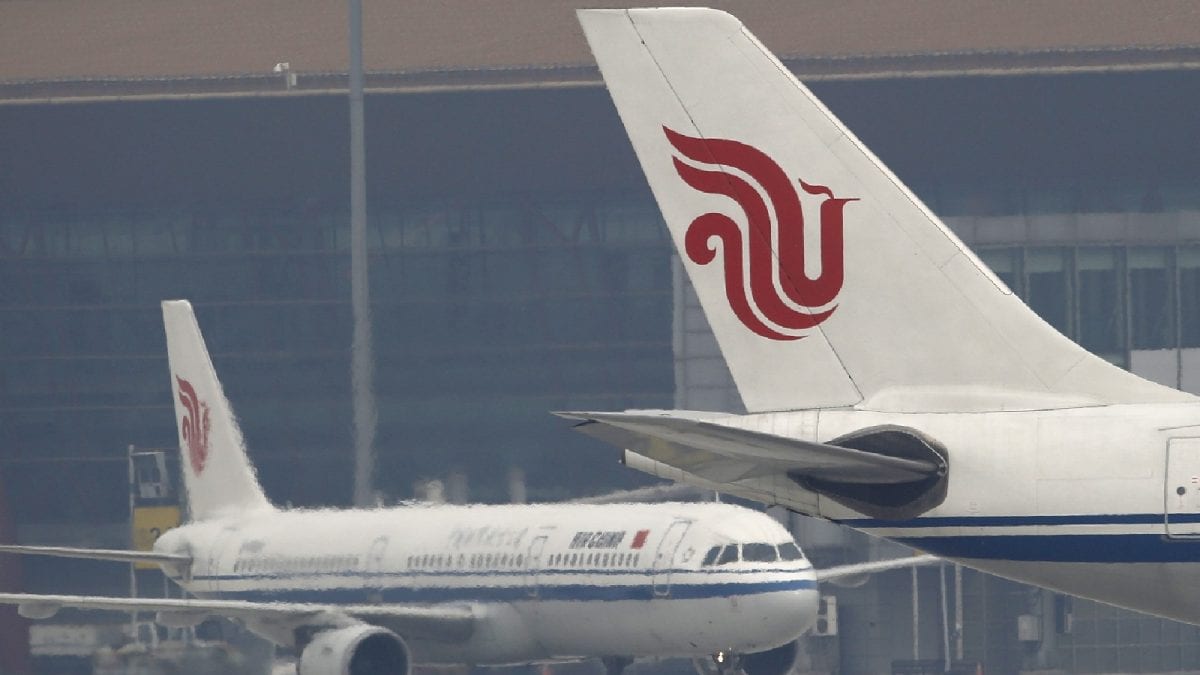
For four years, travelers flying between India and China had no direct path between their two capitals. That changed in March 2026, when Air China resumed its direct flights between Beijing and New Delhi — ending a suspension that had outlasted the pandemic itself and become a symbol of the diplomatic frost between Asia’s two largest nations.
The restoration of this route is being treated as more than a scheduling update. Officials and observers on both sides see it as a tangible sign that India and China are deliberately working to rebuild a relationship strained by geopolitical tensions that persisted long after COVID-19 restrictions were lifted worldwide.
For business travelers, tourists, students, and families with ties to both countries, the resumption means something simple and significant: they can fly direct again, without layovers in third cities, at greater cost and inconvenience. But the broader message being sent by this flight’s return is about diplomacy as much as aviation.
Why the Beijing-Delhi Route Went Dark for Four Years
The suspension began with the COVID-19 pandemic, which grounded international routes across the globe starting in 2020. While most major bilateral air connections between countries were gradually restored as health restrictions eased, the India-China route remained closed — a reflection of tensions that went well beyond public health concerns.
Geopolitical friction between the two countries, including longstanding border disputes, kept diplomatic relations cool even as global travel recovered. The result was that passengers who once had the convenience of a direct Beijing-to-New Delhi connection were left to route through intermediary hubs, adding hours and expense to every journey.
The four-year gap was not just an inconvenience for individual travelers. It represented a meaningful rupture in the kind of routine, everyday connectivity that supports trade relationships, academic exchanges, tourism flows, and cultural ties between two nations that together account for nearly three billion people.
What the Resumption of Direct Beijing-Delhi Flights Actually Means
Air China’s decision to restore direct service between the two capitals is being read in multiple ways simultaneously. On one level, it is a commercial decision — reactivating a route that historically carried significant passenger demand between two of the world’s most populous countries.
On another level, it is a diplomatic signal. Bilateral air agreements require cooperation and goodwill between governments. The fact that both sides moved to restore this connection indicates a shared interest in improving relations and re-establishing the infrastructure of a working partnership.
Supporters of the move argue that restoring direct flights is one of the most practical steps two countries can take toward normalization. When people can travel freely and conveniently between nations, trade follows, cultural understanding deepens, and the human-level relationships that underpin diplomacy become possible again.
Key Facts About the Route Restoration
| Detail | Information |
|---|---|
| Airline operating the route | Air China |
| Route | Beijing to New Delhi (direct) |
| Duration of suspension | Approximately four years |
| Original reason for suspension | COVID-19 pandemic restrictions |
| Extended reason for suspension | Ongoing geopolitical tensions between India and China |
| Resumption date | March 2026 |
| Significance | First direct air link between the two capitals restored after four-year hiatus |
- Pandemic origins: The route was initially suspended as part of global COVID-19 travel restrictions beginning in 2020.
- Extended by politics: Unlike many international routes that recovered post-pandemic, this one remained closed due to unresolved geopolitical tensions.
- Diplomatic symbolism: The restoration is widely viewed as a concrete marker of gradual improvement in India-China relations.
- Trade and cultural implications: Direct connectivity is expected to support renewed travel, trade, and cultural exchange between the two nations.
- Carrier: Air China, China’s flagship international carrier, is operating the restored service.
Who Benefits — and Why This Matters Beyond the Airport
The most immediate beneficiaries are the people who need to travel between India and China for practical reasons. Business professionals negotiating trade deals, students enrolled in universities across the border, families separated by migration patterns, and tourists curious about two of the world’s most historically rich destinations — all of them now have a direct option that didn’t exist for four years.
For the business community, the significance is hard to overstate. India and China are each other’s neighbors and significant economic partners despite their political tensions. The absence of direct air links created friction in supply chains, slowed deal-making, and added costs to relationships that both economies depend on. Restoring that link removes a concrete barrier.
Culturally, the route matters too. Academic exchanges, tourism, and person-to-person contact between Indian and Chinese citizens had all been dampened by the combination of pandemic restrictions and diplomatic chill. Direct flights are one of the most visible ways governments signal that those exchanges are welcome again.
Officials have noted that the move reflects both countries’ commitment to strengthening their partnership and re-establishing vital connections in a post-pandemic world — language that suggests this flight resumption is part of a broader, deliberate normalization effort rather than an isolated airline scheduling decision.
- Travelers between Beijing and New Delhi were forced to connect through third-country hubs, adding significant time and cost.
- Geopolitical tensions extended the closure well beyond the end of COVID-19 pandemic restrictions globally.
- Trade, cultural exchange, and academic ties between India and China faced practical connectivity barriers.
- Direct flights between Beijing and New Delhi are available again for the first time since approximately 2022.
- The restoration signals a deliberate diplomatic effort by both governments to improve bilateral relations.
- Business travelers, tourists, students, and families with cross-border ties regain convenient direct access.
What Comes Next for India-China Travel Relations
The resumption of Air China’s Beijing-Delhi route is being described as a milestone, but most observers understand it as a beginning rather than a destination. Four years of suspended connectivity created gaps that will take time to fully bridge — in trade relationships, in tourism numbers, in the rhythm of ordinary travel between the two countries.
The expectation is that this route restoration will serve as a foundation for broader improvements in bilateral air connectivity. Whether other carriers follow, whether frequency increases, and whether additional city pairs are opened will likely depend on how the wider diplomatic relationship develops.
What is clear is that both India and China have chosen to mark this moment as significant. Framing the flight resumption as a celebration of bilateral travel relations — rather than simply a commercial airline decision — tells its own story about the diplomatic intent behind it. The skies between Beijing and New Delhi are open again, and both sides appear to want them to stay that way.
Frequently Asked Questions
Why were direct flights between Beijing and New Delhi suspended in the first place?
The suspension began due to COVID-19 pandemic travel restrictions and was later extended because of ongoing geopolitical tensions between India and China.
Which airline has resumed direct flights between Beijing and New Delhi?
Air China, China’s flagship international carrier, has restored the direct route between Beijing and New Delhi.
When did the direct Beijing-Delhi flights resume?
Air China resumed the direct route in March 2026, ending a suspension of approximately four years.
What does the flight resumption mean for diplomatic relations between India and China?
Officials and observers view it as a symbol of gradual improvement in bilateral ties and a sign that both countries are committed to rebuilding their partnership.
Who is most directly affected by the return of this route?
Business travelers, tourists, students, and families with ties to both countries benefit most immediately from the restored direct connection.
Will other airlines or additional routes between India and China be restored?
This has not yet been confirmed, but the Air China resumption is widely seen as a potential foundation for broader improvements in bilateral air connectivity.



Leave a Reply