
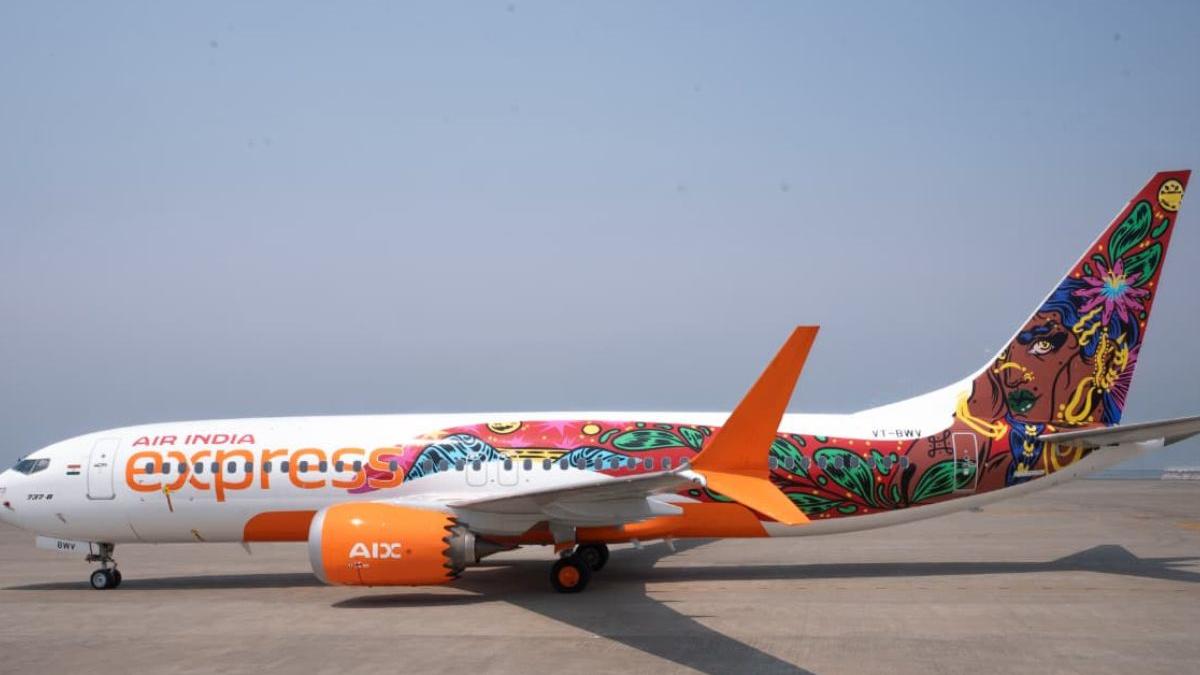
With 36 scheduled flights still operating to and from Gulf destinations including Jeddah, Riyadh, and Muscat, Air India and Air India Express are pressing ahead despite escalating conflict across West Asia — a decision that has drawn sharp criticism from pilot unions and aviation safety advocates.
For the millions of Indian workers, families, and travelers who depend on these routes, the question isn’t abstract. It’s immediate: is it safe to fly right now, and what should you expect if your flight is still on the schedule?
The airlines have chosen to keep essential air links to Saudi Arabia, the UAE, and Oman open even as missile exchanges and rising hostilities in the region intensify. That choice has put them at the center of a debate about where the line between operational necessity and unacceptable risk actually falls.
Why Air India Is Still Flying Into a Conflict Zone
The Gulf region is home to one of the largest concentrations of Indian expatriates in the world. These routes aren’t leisure travel — for a vast number of passengers, they represent the only viable connection to jobs, families, and livelihoods. Suspending them entirely would strand thousands of people and cut off critical remittance flows.
That context helps explain why Air India and Air India Express have resisted calls to halt operations. The airlines appear to be treating these flights as essential services rather than discretionary routes, continuing to operate them even as international aviation bodies and pilot unions raise alarms.
Critics argue that framing flights as “essential” does not resolve the underlying safety question. Aviation experts have warned that ongoing missile activity in the region creates real and measurable risks for commercial aircraft operating in affected airspace. The concern isn’t theoretical — it’s grounded in the documented danger that active conflict zones pose to civil aviation.
What the Flights Actually Look Like Right Now
Here is what is confirmed about the current state of Air India and Air India Express Gulf operations:
- 36 flights are currently scheduled to and from Gulf destinations
- Routes include Jeddah, Riyadh, Muscat, and other Gulf cities
- Both Air India and its low-cost subsidiary Air India Express are operating these services
- Pilot unions have formally called for a suspension of flights in high-risk areas
- International aviation bodies have echoed concerns about operating in active conflict zones
- The airlines have continued operations despite these calls
| Destination | Airline Operating | Current Status |
|---|---|---|
| Jeddah, Saudi Arabia | Air India / Air India Express | Flights continuing |
| Riyadh, Saudi Arabia | Air India / Air India Express | Flights continuing |
| Muscat, Oman | Air India / Air India Express | Flights continuing |
| Other Gulf destinations | Air India / Air India Express | Flights continuing |
The Safety Debate That Travelers Deserve to Understand
The core tension here is real and worth stating plainly. Aviation safety frameworks generally require airlines to avoid airspace where active conflict creates a credible risk to aircraft. Pilot unions — who represent the people actually flying these planes — have taken the rare step of formally opposing continued operations. That’s not a routine disagreement.
At the same time, the airlines have not publicly acknowledged that their flights are operating under unacceptable risk. Their continued scheduling implies an internal assessment that operations remain viable. Travelers are left to make decisions with limited information about what that assessment actually involves.
Delays are also a practical concern. Conflict-related airspace restrictions can force rerouting, adding significant time to journeys. Passengers should factor in the possibility of schedule changes, longer flight paths, or last-minute cancellations when planning travel to these destinations.
What Happens Next for These Routes
The situation remains fluid. The airlines have not announced any plans to reduce or suspend Gulf operations, but that could change quickly if the security environment deteriorates further or if regulatory pressure from Indian aviation authorities intensifies.
Pilot unions are unlikely to drop their calls for suspension. If their concerns gain broader institutional backing — or if an incident occurs elsewhere in the region involving civil aviation — the pressure on Air India to act would increase significantly.
For travelers with upcoming bookings, the most practical step is to monitor airline communications closely and check whether your fare conditions allow for free rebooking or refunds in the event of cancellation. Conflict-related disruptions can sometimes qualify for flexible change policies, though this varies by ticket type and airline policy at the time of disruption.
The broader question — whether airlines should be operating commercial routes through active conflict zones at all — is one that aviation regulators, governments, and the airlines themselves will need to answer more clearly as this situation develops.
Frequently Asked Questions
Are Air India flights to Saudi Arabia, UAE, and Oman still running?
Yes. As of the latest confirmed information, Air India and Air India Express are continuing to operate scheduled flights to Gulf destinations including Jeddah, Riyadh, and Muscat.
How many flights are currently scheduled to Gulf destinations?
There are 36 scheduled flights operating to and from Gulf destinations across the two airlines.
Have pilot unions raised safety concerns about these flights?
Yes. Pilot unions have formally called for a suspension of flights in high-risk areas, citing the dangers posed by ongoing missile exchanges and escalating conflict in West Asia.
Should I expect delays if I’m flying to the Gulf region?
Conflict-related airspace restrictions can lead to rerouting and longer flight times. Travelers should be prepared for potential schedule changes or delays.
Has Air India suspended any Gulf routes in response to the conflict?
Based on currently confirmed information, the airlines have not suspended operations and are continuing to fly despite calls from pilot unions and international bodies to do so.
What should I do if I have a booking to one of these destinations?
Monitor airline communications closely and check your fare conditions for rebooking or refund options, as conflict-related disruptions may affect your flight at short notice.



Leave a Reply