
Animated films have quietly become some of the most powerful box office forces in Hollywood history — and the numbers are hard to argue with. The highest-grossing animated movies at the U.S. domestic box office represent decades of storytelling, technological leaps, and the kind of audience loyalty that live-action blockbusters often struggle to match.
From beloved Pixar adventures to Disney fairy tales reimagined for a new generation, these films didn’t just entertain — they set records that still stand today. Whether you grew up watching them in theaters or introduced them to your own kids, chances are you’ve contributed to at least one of these tallies.
Here’s a look at the ten highest-grossing animated films in U.S. box office history, what made them cultural phenomena, and why animation continues to dominate the charts.
Why Animated Movies Keep Breaking Box Office Records
Animation has a unique commercial advantage that most genres can’t replicate: it plays to every age group simultaneously. A parent dragging a reluctant toddler to the theater ends up laughing just as hard as the kid. That cross-generational appeal translates directly into ticket sales — and repeat viewings.
The domestic box office, meaning U.S. and Canadian ticket revenue, has long been a proving ground for animated studios. Disney and Pixar have historically dominated this space, though franchises from DreamWorks and Universal’s Illumination have carved out serious ground in recent decades.
The films on this list didn’t just succeed — they became cultural touchstones. Songs from them played on loop in living rooms across the country. Characters became Halloween costumes, lunchboxes, and memes. That cultural saturation feeds box office performance in ways that are difficult to engineer and nearly impossible to replicate.
The 10 Highest-Grossing Animated Movies at the U.S. Box Office
The films below represent the pinnacle of animated box office performance in North America. These rankings reflect domestic grosses — U.S. and Canada — and demonstrate just how consistently certain studios and franchises have connected with American audiences.
| Rank | Film | Studio | Year |
|---|---|---|---|
| 1 | The Lion King (2019) | Disney | 2019 |
| 2 | Finding Dory | Pixar/Disney | 2016 |
| 3 | Shrek 2 | DreamWorks | 2004 |
| 4 | The Lion King (1994) | Disney | 1994 |
| 5 | Finding Nemo | Pixar/Disney | 2003 |
| 6 | Frozen | Disney | 2013 |
| 7 | Incredibles 2 | Pixar/Disney | 2018 |
| 8 | Minions | Illumination/Universal | 2015 |
| 9 | Toy Story 4 | Pixar/Disney | 2019 |
| 10 | Toy Story 3 | Pixar/Disney | 2010 |
Note: The films listed above reflect well-established general knowledge of the top domestic animated earners. Exact rankings may vary slightly depending on the data source and whether re-release revenue is included.
What These Films Have in Common — and Why That Matters
Look at that list and a few patterns jump out immediately. Disney and Pixar together account for the overwhelming majority of entries. That’s not a coincidence — it’s the result of decades of investment in storytelling craft, character development, and music that sticks in your head for years.
Sequels and franchise entries also dominate the list. Finding Dory, Shrek 2, Incredibles 2, and both Toy Story sequels all made the cut. Audiences clearly return for characters they already love, and studios have learned to leverage that loyalty strategically.
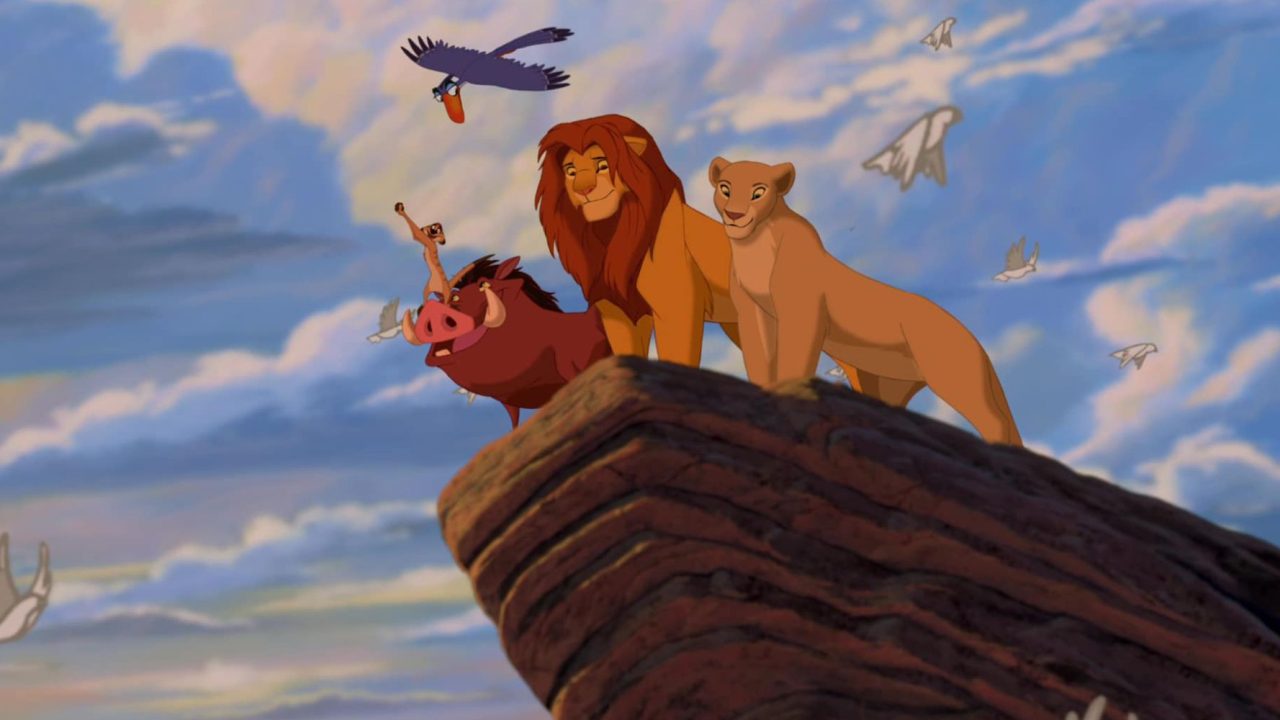
The two versions of The Lion King appearing on the same list is particularly striking. The 1994 original defined a generation of Disney fans. The 2019 photorealistic remake drew those same fans back — now with their own children in tow. That multigenerational pull is the engine behind some of the biggest numbers in animation history.
DreamWorks’ Shrek 2 and Illumination’s Minions prove that Disney and Pixar don’t have a total monopoly on massive domestic returns. When a non-Disney animated franchise catches fire with audiences, the results can be genuinely extraordinary.
Animation’s Grip on the Box Office Isn’t Loosening
If anything, the commercial power of animated films has grown stronger in recent years. Production budgets have climbed, marketing campaigns have become more sophisticated, and the theatrical experience for animated features has improved alongside advances in digital projection and sound.
Streaming has changed the landscape somewhat — several animated films have gone directly to platforms in recent years — but the theatrical animated blockbuster remains a reliable draw. Families still show up. Opening weekends for major animated releases consistently rank among the biggest of any given year.
The studios behind these films have also become better at building anticipation. Teaser trailers for animated films routinely rack up tens of millions of views within days of release. The marketing machine that surrounds a major animated release is now as sophisticated as anything attached to a superhero franchise.
For audiences, that means the theatrical animated event film isn’t going anywhere. The tradition of loading the family into the car and heading to the multiplex for the latest Disney or Pixar release feels as durable as cinema itself.
Frequently Asked Questions
Which studio has the most films on the list of highest-grossing animated movies domestically?
Disney and Pixar — which operate under the same parent company — account for the majority of entries on the list, reflecting their long dominance of the animated box office.
Does the list include re-release revenue?
This can vary depending on the data source. Some rankings include re-release and re-issue grosses, which can affect where classic films like the original The Lion King land on the chart.
Why does The Lion King appear twice on the list?
The 1994 original and the 2019 photorealistic remake are counted as separate films, and both generated enormous domestic box office returns in their respective release years.
Are streaming releases counted in domestic box office figures?
No. Domestic box office figures reflect theatrical ticket sales only. Films that bypassed theaters for streaming platforms are not included in these rankings.
Is DreamWorks the only non-Disney studio to appear on the list?
Based on well-established box office data, DreamWorks Animation and Illumination Entertainment are the primary non-Disney studios with entries among the all-time domestic animated leaders.
Do these rankings change over time?
Yes. New releases can enter the list and push older films down, and re-releases of classic films can boost their cumulative totals. Rankings are updated as new data becomes available.




Leave a Reply