
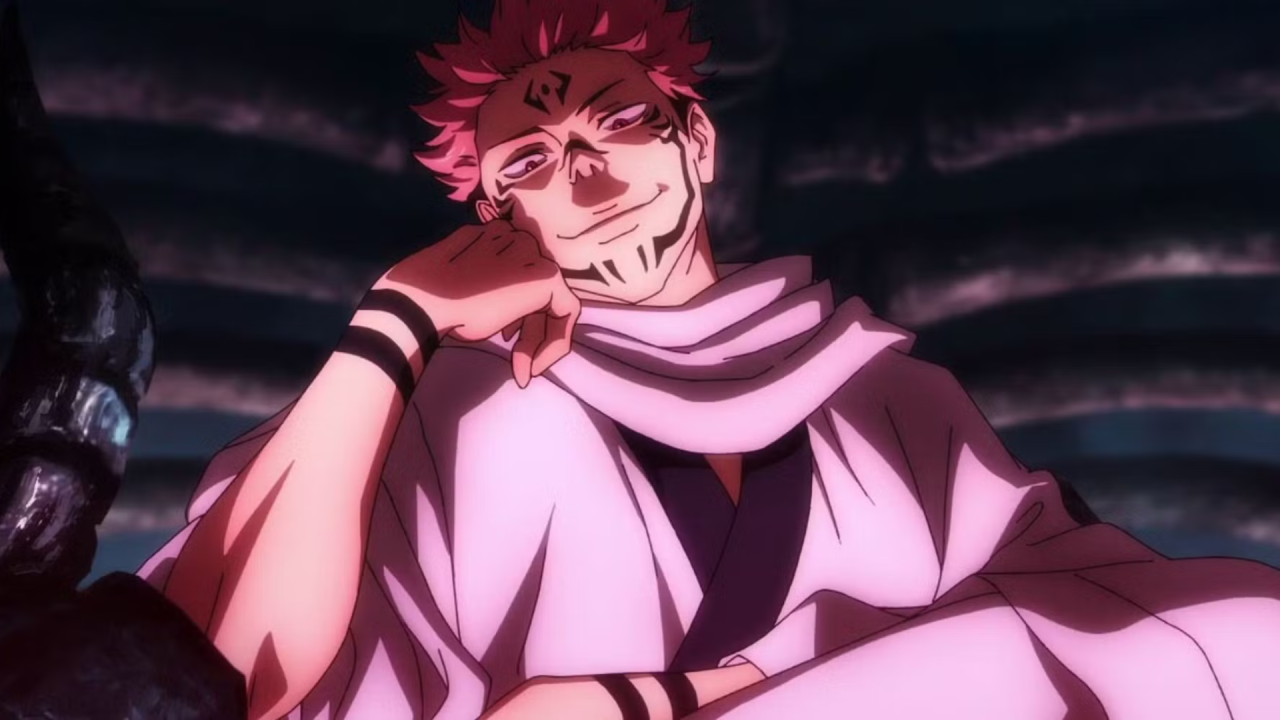
What separates a truly great anime villain from one who’s simply forgotten after the credits roll? It’s not just raw power or a menacing design — it’s the combination of compelling motivation, narrative weight, and the ability to make audiences question who the real hero actually is.
Anime has produced some of the most layered, psychologically complex antagonists in all of storytelling. These are characters who don’t just oppose the protagonist — they challenge entire worldviews, expose uncomfortable truths, and sometimes make you root for them even when you know you shouldn’t.
The topic of the greatest anime villains ever created is one that fans debate endlessly, and for good reason. The medium has a long history of crafting antagonists with genuine depth. Here’s a look at eight of the most celebrated villains in anime history, drawn from some of the most beloved and critically respected series ever made.
What Makes an Anime Villain Truly “Perfect”?
The word “perfect” is doing a lot of work when applied to fictional antagonists. A perfect villain isn’t necessarily the most powerful or the cruelest. What fans and critics consistently point to is a specific combination of qualities: a coherent and often sympathetic motivation, an ideological conflict with the protagonist that feels genuinely unresolvable, and a presence that elevates the entire story around them.
The best anime villains tend to hold up a mirror to the heroes — and to the audience. They force uncomfortable questions about justice, power, grief, and survival. That’s what makes them stick long after their series ends.
Several recurring traits appear across the most celebrated antagonists in anime history:
- A backstory that explains — without necessarily excusing — their actions
- A clear personal philosophy or ideology they genuinely believe in
- The ability to challenge the protagonist on a moral or intellectual level, not just a physical one
- Moments that generate genuine audience sympathy, even reluctantly
- An impact on the story that reshapes the world of the series permanently
Eight Anime Villains Widely Regarded as the Best in the Medium’s History
Across decades of anime production, certain antagonists have risen above the rest. These eight are consistently cited among the greatest the medium has ever produced, recognized for their complexity, narrative function, and lasting cultural impact.
| Villain | Series | What Makes Them Iconic |
|---|---|---|
| Light Yagami | Death Note | A protagonist-turned-villain whose god complex remains one of anime’s most chilling character arcs |
| Griffith | Berserk | A charismatic leader whose betrayal is one of the most devastating moments in manga and anime history |
| Frieza | Dragon Ball Z | The defining villain of shonen anime — cruel, powerful, and culturally inescapable for generations |
| Sosuke Aizen | Bleach | A master manipulator whose reveal remains one of the great plot twists in anime |
| Madara Uchiha | Naruto Shippuden | A villain so powerful and ideologically committed that he reshaped the entire endgame of the series |
| Johan Liebert | Monster | Widely considered the most terrifying human villain in anime — no supernatural powers, just pure psychological horror |
| Meruem | Hunter x Hunter | A villain whose arc evolves from cold brutality to something unexpectedly profound and tragic |
| Dio Brando | JoJo’s Bizarre Adventure | An enduring symbol of anime villainy — theatrical, monstrous, and genuinely fun to watch |
Why These Characters Still Matter to Anime Fans
Each of these villains left a mark on their respective series that goes far beyond simply being an obstacle for the hero to overcome. Light Yagami from Death Note is perhaps the most striking example of a story built entirely around the moral collapse of its central character. He begins as a genius student with a genuine desire to rid the world of criminals, and ends as something far darker — a cautionary tale about unchecked power and self-delusion.
Griffith from Berserk occupies a different kind of space. His betrayal of the Band of the Hawk is so emotionally devastating precisely because the audience spends so much time invested in him as a compelling, almost heroic figure. That reversal is what great villain writing looks like.
Johan Liebert from Monster stands apart from the rest of this list because he operates entirely within the real world — no magic, no supernatural abilities, no power system. His horror is purely psychological, and that’s exactly what makes him so unsettling. Many critics argue he represents the ceiling of what anime villainy can achieve when stripped of fantasy elements.
Meruem from Hunter x Hunter offers something rarer still: a villain whose arc generates genuine tragedy. He begins as an almost incomprehensibly powerful and ruthless being, but his relationship with Komugi — a blind shogi player — slowly humanizes him in ways that made audiences feel genuine grief at his end.
The Lasting Influence of Great Anime Antagonists
The cultural footprint of these characters extends well beyond their original series. Frieza remains one of the most recognizable figures in all of anime, decades after his first appearance. Dio Brando’s theatrical cruelty has become a template — and a meme — that newer generations of fans continue to celebrate. Aizen’s reveal in Bleach is still discussed as a masterclass in long-form deception storytelling.
What unites all eight is that they made their respective series better. Not just harder for the hero — genuinely, narratively richer. The best villains don’t exist to be defeated. They exist to make the story mean something.
As anime continues to grow as a global medium, the standard set by characters like these raises the bar for every new antagonist that follows. Audiences have been trained, by decades of exceptional villain writing, to expect more than a powerful enemy. They expect a character worth understanding.
Frequently Asked Questions
What makes a villain “perfect” in anime?
Fans and critics generally point to a combination of compelling motivation, genuine ideological conflict with the hero, and the ability to make audiences feel sympathy or understanding — even reluctantly.
Who is widely considered the scariest human villain in anime?
Johan Liebert from Monster is frequently cited as the most terrifying human villain in anime, largely because he operates without any supernatural powers — making his threat feel disturbingly real.
Which anime villain has had the biggest cultural impact?
Frieza from Dragon Ball Z and Dio Brando from JoJo’s Bizarre Adventure are both frequently named as the most culturally enduring anime villains, recognized across multiple generations of fans worldwide.
Is Light Yagami actually a villain?
Light Yagami begins Death Note as its protagonist but gradually becomes the story’s central antagonist — his arc is widely regarded as one of the most compelling villain origin stories in anime history.
What separates Meruem from other powerful anime villains?
Unlike most villains defined purely by their power or cruelty, Meruem undergoes a genuine emotional transformation through his relationship with Komugi, giving his arc an unexpected tragic depth that sets him apart.


Leave a Reply