
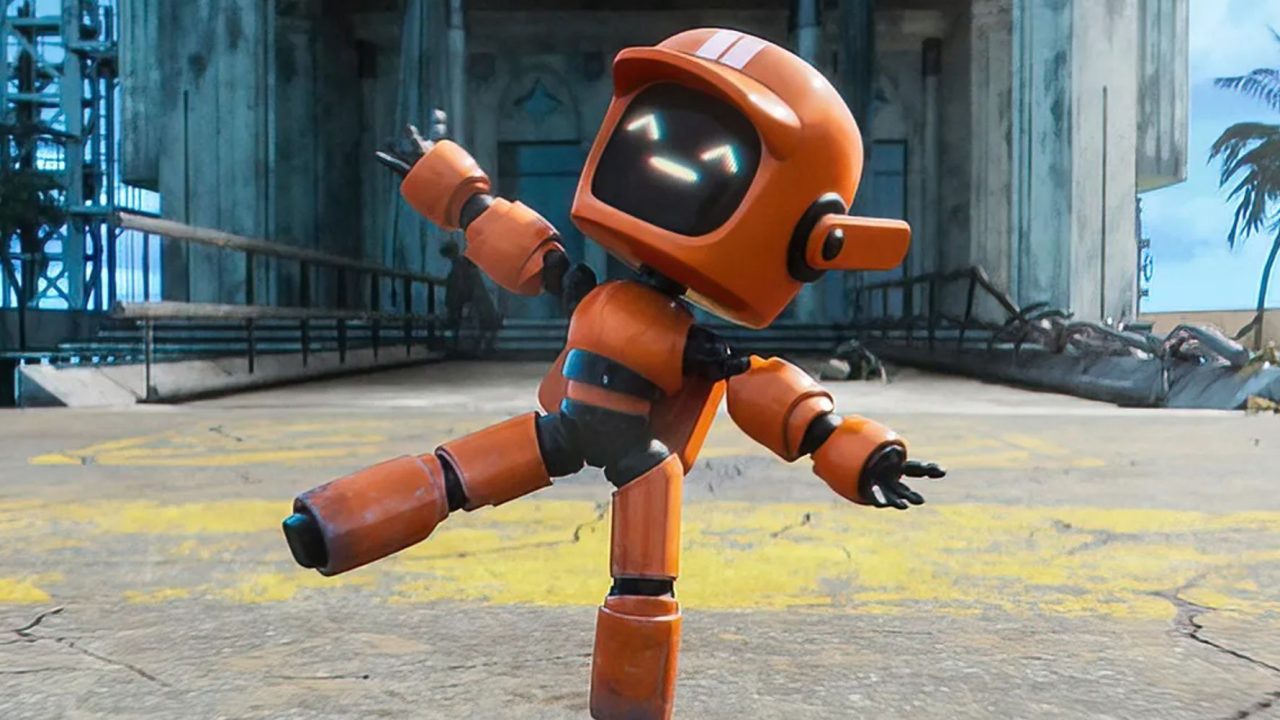
Anthology television is one of the most creatively ambitious formats in the medium — and also one of the hardest to get exactly right. Each season, sometimes each episode, has to function as its own self-contained story while still holding together as a coherent whole. The ambition alone earns respect. But ambition and execution don’t always land in the same place.
Some anthology shows come agonizingly close to greatness. They have the vision, the craft, the performances — and then something slips. A weak episode derails the momentum. A finale doesn’t stick the landing. A concept stretches further than the writing can support. The result is something genuinely worth watching that still leaves you thinking about what it could have been.
The topic of brilliant anthology shows that fell just short of masterpiece status is one that resonates with serious TV viewers — people who appreciate the format’s potential and feel the sting of near-misses more acutely than outright failures. Here’s a look at what makes anthology television so compelling, and why the “almost great” category is its own fascinating conversation.
Why Anthology TV Is So Hard to Pull Off
The anthology format removes one of serialized television’s biggest safety nets: continuity. A traditional drama can recover from a bad episode because the characters and their ongoing arcs carry viewers forward. An anthology show doesn’t have that cushion. Every story has to earn its place entirely on its own terms.
That creates extraordinary opportunities. Anthology series can take creative swings that ongoing shows would never risk. They can end badly for their characters. They can explore wildly different tones, genres, and settings without breaking an established world. The best ones use that freedom to tell stories that feel genuinely cinematic — compressed, purposeful, and complete.
But it also creates real vulnerabilities. Uneven episode quality hits harder in an anthology format. A miscast lead or a thin concept can’t be papered over by the weight of what came before. And when a season finale fails to crystallize what the whole thing was about, there’s no next season with those same characters to course-correct.
What Separates “Almost Great” From Actually Great
There’s a meaningful difference between a show that’s merely good and one that’s genuinely brilliant but flawed. The latter tends to have at least one sequence, episode, or performance that’s as strong as anything on television in a given year — surrounded by material that doesn’t quite match it.
The shows that fall into this category often share recognizable patterns:
- A concept that’s more compelling in theory than it is consistently in execution
- One or two standout episodes that make the weaker ones harder to forgive
- Ambition that occasionally outpaces the budget, the writing, or the runtime
- A finale or concluding chapter that doesn’t fully pay off what was set up
- Casting or tonal choices that work brilliantly in some installments and fall flat in others
None of these flaws make a show bad. They make it frustrating in a specific way — the way you feel about a great meal where one course was noticeably off. You’re glad you went. You’d probably recommend it. But you can’t quite call it perfect.
The Anthology Shows That Fit This Description
The broader conversation around anthology television that “almost” reached masterpiece level tends to center on a recognizable set of qualities. These are shows that generated serious critical attention, attracted strong creative talent, and demonstrated genuine artistic intent — while still leaving viewers and critics with a nagging sense of what might have been.
What unites them isn’t failure. It’s proximity to something exceptional. They got close enough that the gap between what they achieved and what they were reaching for is visible and worth discussing.
| What Makes Anthology TV Brilliant | What Holds It Back From Masterpiece Status |
|---|---|
| Creative freedom to tell self-contained stories | No continuity to carry weaker episodes |
| Ability to attract major talent for limited commitments | Uneven casting can derail individual installments |
| Tonal and genre flexibility across seasons | Inconsistent tone within a single season reads as a flaw |
| Compressed storytelling forces clarity of purpose | Finales must land perfectly — there’s no second chance |
| Each season can reinvent the show entirely | Reinvention can feel like a retreat if a season underperforms |
Why These Near-Misses Still Matter
It would be easy to dismiss a show that didn’t fully achieve its ambitions. But the “almost masterpiece” category deserves more credit than that. These are the shows that pushed the format somewhere new, even if they didn’t stick every landing. They’re worth watching precisely because of what they were attempting.
A flawed anthology series that swings big is more interesting than a competent one that plays it safe. The near-misses reveal what the format is capable of — and they often contain individual episodes or performances that rank among the best work their creators have ever done.
For viewers who care about television as a craft, these shows are essential viewing. Not because they’re perfect, but because they’re honest about what they were trying to do, and close enough to success that you can feel the ambition in every frame.
The anthology format will keep producing near-masterpieces as long as it keeps attracting writers and directors willing to take real risks. That’s not a complaint. That’s the format working exactly as it should.
Frequently Asked Questions
What is an anthology television show?
An anthology series tells self-contained stories, often with a different cast, setting, or narrative each season or episode, rather than following the same characters across multiple seasons.
Why is the anthology format considered especially difficult to execute?
Without ongoing characters or storylines to carry viewer investment, each installment must work entirely on its own — meaning weak episodes or an unsatisfying finale have a greater impact on the overall quality.
What typically prevents an anthology show from reaching masterpiece status?
Common factors include uneven episode quality, a concept that works better in theory than in practice, inconsistent casting, and finales that don’t fully pay off the setup.
Are “almost great” anthology shows still worth watching?
Yes — shows that fall just short of greatness often contain individual episodes or performances that rank among the best in television, and their ambition alone makes them more interesting than safer, more consistent alternatives.
Does a flawed anthology show reflect a failure of the format itself?
Not necessarily — the format’s creative demands mean that ambitious swings will sometimes fall short, and near-misses are often a sign of genuine artistic risk-taking rather than simple incompetence.
What makes anthology television attractive to major creative talent?
The limited commitment structure allows writers, directors, and actors to take on a project without signing on for an open-ended multi-season run, which makes it easier to attract people at the top of their field.

Leave a Reply