
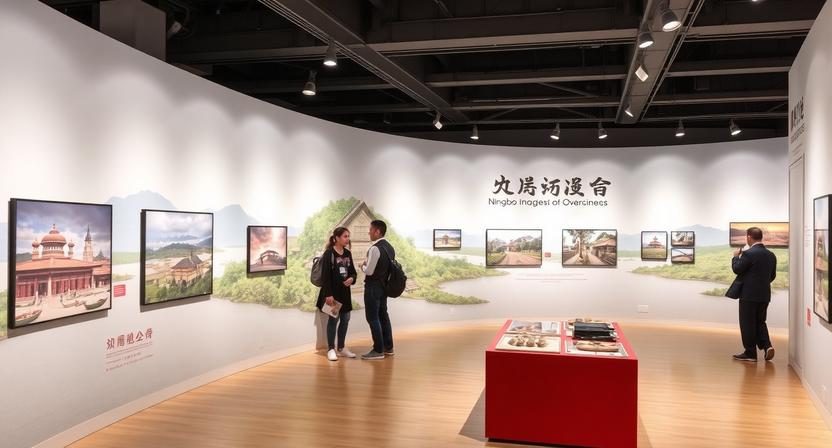
On March 21, 2026, Hong Kong’s CineArt MegaBox became an unlikely window into a city most of its visitors had never seen — and the experience left a clear impression. The Ningbo Image Overseas Exhibition brought the culture, history, and flavors of Ningbo directly to Hong Kong audiences, using film, art, and food as its primary storytelling tools.
The event was more than a one-night showcase. It represented a deliberate, structured push by Ningbo to raise its global cultural profile — and to turn that cultural visibility into real tourism growth. For a city that has long been one of China’s most historically significant port cities, the exhibition marked a meaningful step toward wider international recognition.
The choice of Hong Kong as the host city was itself significant. As one of Asia’s most internationally connected urban centers, Hong Kong offered Ningbo direct access to a cosmopolitan audience with strong links to global travel, media, and cultural exchange.
What the Ningbo Image Overseas Exhibition Actually Was
The exhibition was structured around three distinct components, each designed to communicate a different dimension of Ningbo’s identity. Film, creative arts, and cuisine formed the core of the program — a combination that organizers clearly chose to appeal to multiple senses and different types of audiences simultaneously.
Film served as the anchor. Visual media allowed Ningbo to present its landscapes, history, and people in a format that required no prior knowledge from the viewer. Audiences at CineArt MegaBox could experience Ningbo’s character through moving images before ever setting foot in the city.
The creative arts component gave the exhibition a gallery-style dimension, offering a more contemplative counterpoint to the immediacy of film. And the culinary element grounded everything in something deeply personal — the taste and texture of a place, which tends to linger in memory long after images have faded.
Together, the three components were designed not just to entertain but to build a lasting connection between Hong Kong audiences and Ningbo as a travel destination.
The Strategy Behind the Showcase
This exhibition did not happen in isolation. It was part of a broader, intentional plan by Ningbo to use film and creative arts as key instruments for driving cultural tourism growth. The city has identified cultural diplomacy — presenting its heritage through accessible, emotionally resonant formats — as a core element of its outreach strategy.
The choice to focus on overseas exhibitions, rather than purely domestic promotion, signals that Ningbo is thinking beyond its existing visitor base. By taking its story directly to international audiences, the city is working to build name recognition in markets where it may not yet be a top-of-mind destination.
Hong Kong, with its dense population of internationally mobile residents and its role as a gateway between mainland China and the wider world, was a logical starting point for that effort.
| Exhibition Component | Format | Primary Purpose |
|---|---|---|
| Film | Visual media screenings | Showcase Ningbo’s landscapes, history, and culture through cinematic storytelling |
| Creative Arts | Art exhibition | Highlight Ningbo’s artistic heritage and contemporary creative identity |
| Cuisine | Food experience | Connect audiences to Ningbo’s culinary culture and local flavors |
Why This Matters for Cultural Tourism
Cultural tourism — travel motivated by a desire to experience the arts, heritage, and traditions of a place — has become one of the fastest-growing segments of global travel. Cities and regions that invest in cultural storytelling often see direct returns in visitor numbers, and exhibitions like this one are a recognized tool for building that pipeline.
For Hong Kong residents and visitors who attended the March 21 event, Ningbo shifted from an abstract name on a map to a place with a recognizable face. That kind of recognition is difficult to manufacture through advertising alone — it tends to come from genuine cultural encounters, which is precisely what the exhibition was designed to create.
Organizers have framed the event as a significant step in enhancing Ningbo’s cultural tourism presence not just regionally but globally. The Hong Kong exhibition appears to be part of a longer series of overseas showcases, suggesting that more cities may follow as the program expands.
What Comes Next for Ningbo’s Global Outreach
The Hong Kong exhibition appears to be an early marker in a larger campaign. Ningbo’s stated goal is to use events like this one to build its cultural tourism profile on a global scale — which implies that additional overseas exhibitions are likely in the pipeline, though specific future locations have not been confirmed in available information.
What is clear is that Ningbo is committed to a multi-format approach. By combining film, art, and food under one roof, the city is presenting itself as a destination with layers — not just a single landmark or attraction, but a full cultural experience worth traveling for.
For anyone in Hong Kong who attended the March 21 event and found themselves curious about Ningbo, that curiosity was almost certainly the intended outcome. Cultural exhibitions of this kind succeed when they leave audiences wanting to see more — and on that measure, the Ningbo Image Overseas Exhibition was built with a clear purpose in mind.
Frequently Asked Questions
Where was the Ningbo Image Overseas Exhibition held?
The exhibition was held at CineArt MegaBox in Hong Kong on March 21, 2026.
What were the three main components of the exhibition?
The event was structured around three elements: film screenings, creative arts displays, and a culinary experience showcasing Ningbo’s cuisine.
Why did Ningbo choose Hong Kong for this exhibition?
Hong Kong was selected as the host city because of its international connectivity and its role as a bridge between mainland China and global audiences.
What is the broader goal behind the exhibition?
The exhibition is part of Ningbo’s plan to use film and creative arts to grow its cultural tourism sector and strengthen global cultural exchanges.
Will there be more Ningbo overseas exhibitions in other cities?
This has not yet been confirmed in available information, though the Hong Kong event has been described as part of a broader ongoing strategy rather than a standalone event.
How does the exhibition connect to tourism growth?
By giving international audiences a direct cultural experience of Ningbo through film, art, and food, the event is designed to build awareness of the city as a travel destination worth visiting.


Leave a Reply