
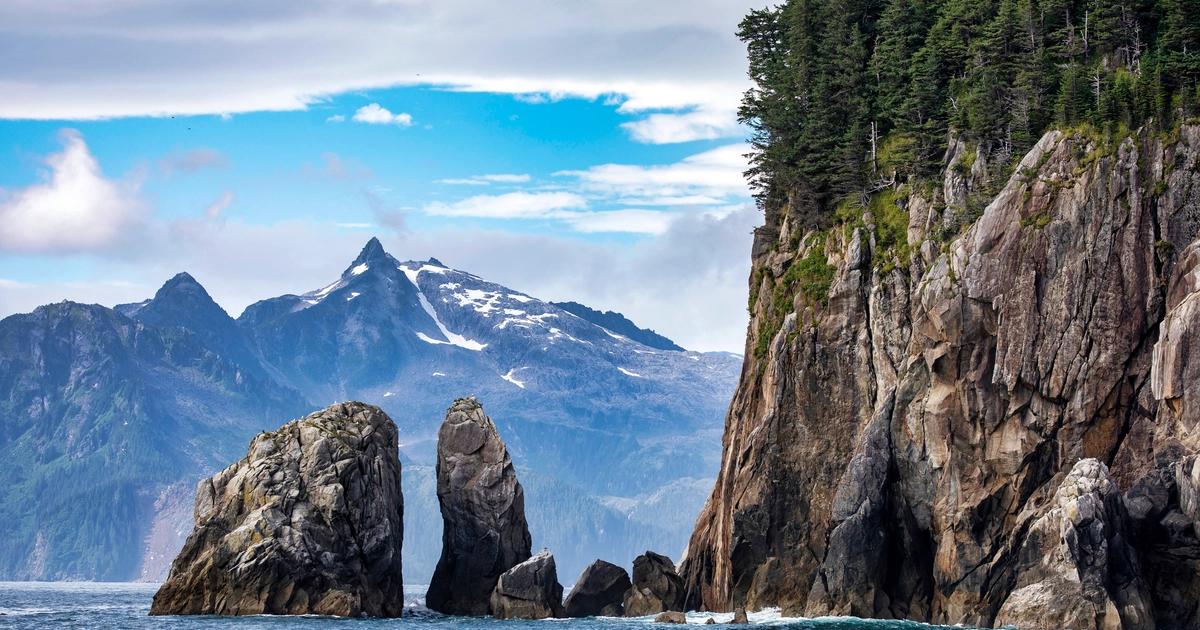
Imagine sailing from the neon-lit harbors of Tokyo or the sun-drenched port of Singapore, then waking up weeks later to the sight of ancient glaciers calving into icy Alaskan waters. That is exactly the kind of journey that Asia to Alaska luxury cruises in 2026 are making possible — and the travel world is paying close attention.
The cruise industry is experiencing a notable shift toward long-distance, immersive ocean travel. Rather than short island hops or weekend getaways, a growing number of travellers are choosing voyages that span continents and cultures. The transpacific route connecting Asia to Alaska has emerged as one of the most compelling offerings in this trend, drawing interest from tourists across Europe, North America and East Asia.
These are not your average cruises. They are extended journeys designed for people who want the ocean itself to be part of the experience — not just a way to get somewhere else.
Why Asia to Alaska Luxury Cruises Are Capturing Global Attention in 2026
The appeal of these routes comes down to contrast and scale. Few travel experiences can offer the sensory richness of a bustling Asian metropolis followed by the raw, untouched wilderness of the Alaskan coastline — all without ever unpacking more than once.
Cruise companies have responded to growing demand by introducing new schedules and upgraded itineraries specifically designed around this transpacific corridor. The journeys typically begin in major Asian hubs such as Tokyo, Singapore or Hong Kong — cities that offer deep cultural immersion before passengers even set foot on the open ocean.
From there, ships cross the vast Pacific, often stopping at intermediate ports before reaching Alaska’s dramatic landscapes. Travellers encounter glaciers, fjords and wildlife that feel worlds away from the urban energy where their voyage began. Industry observers note that this kind of contrast is precisely what modern luxury travellers are seeking.
Demand is particularly strong among travellers who view cruising not as a vacation category but as a complete travel lifestyle — one where the ship itself functions as a premium floating resort rather than simply a vessel.
What These Transpacific Routes Actually Look Like
The structure of Asia to Alaska luxury cruises in 2026 reflects careful itinerary planning designed to maximize the experience at both ends of the journey.
- Departure cities: Major Asian ports including Tokyo, Singapore and Hong Kong serve as primary embarkation points, offering travellers strong cultural and culinary experiences before departure.
- Transpacific crossing: The ocean passage itself is treated as a feature of the journey, not merely transit time, with onboard programming and amenities filling the days at sea.
- Alaskan destinations: The routes culminate in Alaska’s glacier country, where dramatic natural scenery — including ice fields, wildlife and coastal wilderness — forms the centerpiece of the final leg.
- Traveller demographics: The voyages are attracting guests from Europe, North America and East Asia, reflecting genuinely global interest in this style of travel.
| Route Element | Details |
|---|---|
| Typical Departure Ports | Tokyo, Singapore, Hong Kong |
| Destination Region | Alaska (glacier landscapes, coastal wilderness) |
| Primary Traveller Markets | Europe, North America, East Asia |
| Journey Style | Long-haul, immersive, luxury-focused |
| Ship Positioning | Premium floating resort experience |
The Floating Resort Standard: What Luxury Means on These Voyages
One of the defining characteristics of 2026’s Asia to Alaska offerings is how cruise lines are repositioning their ships. The concept of a ship as a floating resort is no longer a marketing phrase — it reflects a genuine shift in how these vessels are designed and operated.
Passengers on these routes expect premium accommodations, high-end dining, curated shore excursions and onboard experiences that rival land-based luxury properties. The extended duration of transpacific voyages means that the quality of life on board matters enormously. A guest spending weeks at sea needs more than a comfortable cabin — they need an environment that feels genuinely resort-like.
Cruise operators have invested in upgraded itineraries that reflect this expectation. The Alaska portion of these journeys, in particular, lends itself to premium adventure experiences — glacier viewing, wildlife encounters and access to remote coastal areas that most travellers could not easily reach any other way.
Who Is Choosing These Voyages and Why It Matters
The audience for Asia to Alaska luxury cruises in 2026 is notably diverse. Interest spans multiple continents, with strong uptake from travellers in Europe, North America and East Asia. This cross-regional demand signals something meaningful about how global travel preferences are shifting.
Rather than choosing shorter, more predictable holidays, a segment of the luxury travel market is actively seeking journeys that are longer, more geographically ambitious and more experientially rich. The transpacific cruise route delivers on all three counts.
For travellers based in East Asia, these voyages offer a unique way to experience Alaska — a destination that is logistically complex to reach independently but becomes accessible as part of a well-structured cruise itinerary. For European and North American travellers, the Asian departure ports add an entirely separate layer of cultural discovery to what might otherwise be a straightforward Alaska trip.
Industry observers suggest this convergence of audiences is what makes the Asia to Alaska corridor particularly significant in 2026’s broader cruise market.
What Comes Next for Transpacific Cruise Travel
The momentum behind these routes appears durable. Cruise companies are actively expanding their schedules and refining their itineraries in response to demonstrated demand. The combination of Asia’s cultural richness and Alaska’s natural drama creates a pairing that is genuinely difficult to replicate through any other form of travel.
As more travellers reframe cruising as a lifestyle choice rather than a holiday category, long-haul transpacific routes are likely to attract continued investment from cruise operators. New vessels, upgraded amenities and more sophisticated itinerary design are all expected to follow.
For anyone considering a major voyage in the coming year, the Asia to Alaska corridor represents one of the most ambitious and rewarding options currently available on the water.
Frequently Asked Questions
Which cities do Asia to Alaska luxury cruises typically depart from?
These voyages generally begin in major Asian port cities including Tokyo, Singapore and Hong Kong, all of which offer strong cultural experiences before passengers set sail.
Who is most likely to book an Asia to Alaska cruise in 2026?
Demand is coming from a global audience, with particularly strong interest among travellers from Europe, North America and East Asia.
What makes these cruises different from standard Alaska cruises?
The transpacific routing means passengers experience both the cultural richness of major Asian cities and the dramatic wilderness of Alaska in a single continuous journey, without the need to change accommodation.
How are cruise lines approaching the onboard experience for these long voyages?
Operators are positioning their ships as premium floating resorts, with upgraded amenities and itineraries designed to make the extended time at sea feel like a destination in itself rather than transit.
Are specific cruise lines or pricing details confirmed for 2026?
Is the Asia to Alaska route expected to grow beyond 2026?
Based on current demand trends and the expansion of cruise schedules, industry observers expect continued growth in long-haul transpacific cruise offerings, though specific future plans have not been confirmed in available reporting.



Leave a Reply