
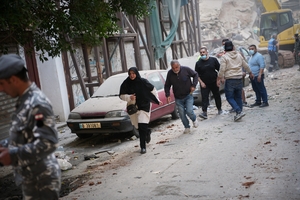
Seven countries across Asia have now issued formal travel restrictions targeting Lebanon — placing it alongside Israel, Iran, Iraq, and Syria in a growing list of Middle East destinations flagged as unsafe for international visitors. For anyone with travel plans to the region, the message from governments in Seoul, Tokyo, Singapore, Kuala Lumpur, Hanoi, Beijing, and New Delhi is increasingly hard to ignore.
Lebanon’s Baalbek and West Beqaa regions are at the centre of the latest wave of advisories, as escalating tensions across the broader Middle East push governments to act. What was once considered a manageable risk zone is now drawing the kind of multilateral response typically reserved for active conflict areas.
If you’re planning travel to Lebanon — or anywhere in the Middle East — here’s what you need to know right now.
Why Lebanon Is Now at the Centre of a Regional Travel Crisis
Lebanon has long been celebrated for its historical depth, cultural richness, and scenic landscapes. The ancient ruins of Baalbek, one of the most impressive Roman archaeological sites in the world, have drawn visitors for generations. The Beqaa Valley, stretching east toward the Syrian border, has been a draw for travellers seeking something beyond the typical tourist trail.
But the security environment across the Middle East has shifted significantly. Lebanon’s position — bordering Syria to the north and east, and sharing proximity to ongoing regional flashpoints — has made it increasingly difficult for foreign governments to maintain neutral travel guidance. As tensions have escalated across the region, the advisories have followed.
The result is a sweeping set of restrictions from Asian governments that reflect genuine concern about the safety of their citizens travelling to or through Lebanese territory, particularly in the Baalbek and West Beqaa areas.
Which Countries Have Issued Restrictions — and How Serious Are They
South Korea’s response has been among the most direct. The South Korean government has issued a Level 4 travel warning for affected areas — the highest tier in its advisory system, typically meaning citizens are strongly urged not to travel and, in some cases, advised to leave if already present.
Six other countries have joined South Korea in issuing formal advisories covering Lebanon, with particular focus on the Baalbek and West Beqaa regions.
| Country | Advisory Status | Regions of Concern |
|---|---|---|
| South Korea | Level 4 (Highest Warning) | Baalbek, West Beqaa |
| Japan | Travel Restriction Issued | Baalbek, West Beqaa |
| Singapore | Travel Restriction Issued | Baalbek, West Beqaa |
| Malaysia | Travel Restriction Issued | Baalbek, West Beqaa |
| Vietnam | Travel Restriction Issued | Baalbek, West Beqaa |
| China | Travel Restriction Issued | Baalbek, West Beqaa |
| India | Travel Restriction Issued | Baalbek, West Beqaa |
The breadth of this response is notable. These are not fringe or minor travel advisories from small nations. Together, these seven countries represent a substantial portion of global outbound tourism and carry significant diplomatic weight. When this many governments move in the same direction simultaneously, it signals a coordinated assessment of genuine risk.
Lebanon Is Not Alone — The Wider Middle East Picture
Lebanon’s inclusion in these advisories places it in company with several other countries already subject to widespread international travel restrictions. Israel, Iran, Iraq, and Syria are among the nations that have been flagged across multiple government advisory systems as the Middle East crisis has deepened.
The pattern is significant for travellers to understand:
- Israel — Subject to widespread travel advisories due to ongoing conflict
- Iran — Long-standing restrictions from multiple governments remain in place
- Iraq — Elevated security warnings across most international advisory systems
- Syria — Among the most restricted destinations globally for international travel
- Lebanon — Now joining this group, with Baalbek and West Beqaa specifically named
The fact that Lebanon is now listed alongside these countries in formal government communications reflects how dramatically the regional security picture has changed.
What This Means If You Have Travel Plans to Lebanon
For travellers holding bookings to Lebanon — particularly to the Baalbek or West Beqaa regions — the practical implications are immediate. Government-issued travel advisories at Level 4, as issued by South Korea, typically mean that travel insurance policies may be voided for those who proceed anyway. Airlines and tour operators in affected countries may also begin suspending or modifying services to the region.
For travellers from Japan, Singapore, Malaysia, Vietnam, China, and India, the message from home governments is equally firm. Even where specific warning levels vary, the direction is consistent: avoid Baalbek and West Beqaa until further notice.
Lebanon’s broader tourism sector — already navigating years of economic difficulty — faces renewed pressure as these restrictions take hold. The Baalbek International Festival, one of the country’s most prestigious cultural events, and the archaeological sites of the Beqaa Valley have historically been anchor attractions for international visitors. Advisories of this nature directly affect bookings, tour group decisions, and individual traveller confidence.
Travellers already in Lebanon from any of the seven named countries are strongly advised to monitor their government’s official advisory channels and to register with their nearest embassy or consulate if they have not already done so.
What to Watch for in the Coming Weeks
The situation across the Middle East remains fluid. Travel advisories at this level are typically reviewed on a rolling basis as ground conditions change — either escalating further or being downgraded if security improves. For Lebanon specifically, the focus on Baalbek and West Beqaa suggests governments are tracking conditions in those areas closely.
Travellers and travel professionals should watch for:
- Updates from South Korea’s foreign ministry on whether the Level 4 status is extended, maintained, or revised
- Any alignment between the seven named countries on a shared advisory framework
- Changes to airline and tour operator policies for Lebanon routes
- Broader regional developments that could affect the advisory landscape for Israel, Iran, Iraq, and Syria simultaneously
The clearest signal right now is that seven major Asian governments have reached the same conclusion at roughly the same time. Until that changes, Lebanon’s Baalbek and West Beqaa regions remain firmly in the high-risk category for international travellers.
Frequently Asked Questions
Which specific areas of Lebanon are covered by the new travel restrictions?
The advisories specifically name Baalbek and West Beqaa as the regions of concern within Lebanon.
Which countries have issued travel restrictions on Lebanon?
South Korea, Japan, Singapore, Malaysia, Vietnam, China, and India have all issued travel advisories or restrictions affecting Lebanon.
How serious is South Korea’s travel warning for Lebanon?
South Korea has issued a Level 4 travel warning, which is the highest level in its advisory system and strongly urges citizens not to travel to the affected areas.
Is Lebanon the only country in the region facing these restrictions?
No. Lebanon now joins Israel, Iran, Iraq, and Syria as countries in the Middle East subject to widespread international travel restrictions.
Should travellers already in Lebanon leave immediately?
Travellers from the seven named countries currently in Lebanon are advised to monitor their government’s official advisory channels and contact their nearest embassy for guidance.



Leave a Reply