
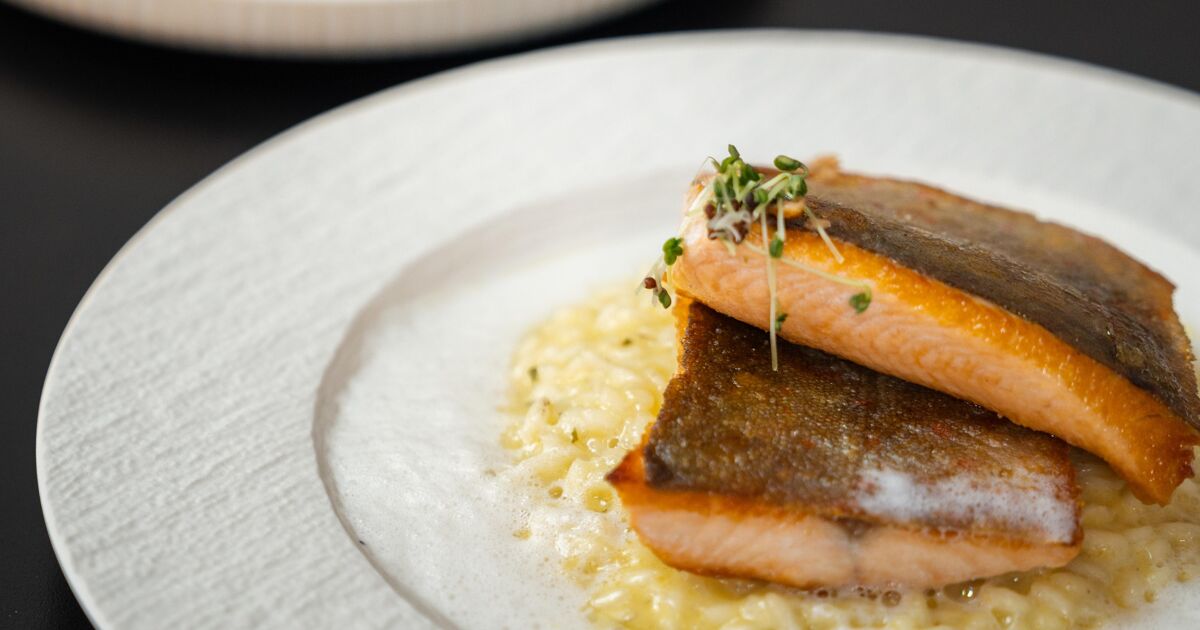
Austria now has more than 13 Michelin Stars per million inhabitants — a figure that places it among the most decorated culinary nations on earth, and one that is quietly reshaping how international travelers plan their trips to Central Europe.
The 2026 Michelin Guide confirmed that 101 restaurants across Austria have collectively earned 124 Michelin Stars, a milestone that reflects not just the skill of the country’s chefs, but a deliberate national focus on quality, regional identity, and sustainable food practices. For food travelers, that combination is increasingly hard to ignore.
Austria has long been associated with Wiener Schnitzel, Sachertorte, and coffee house culture. But the numbers coming out of the latest Michelin Guide tell a more ambitious story — one about a country that has quietly built one of the world’s most impressive fine dining ecosystems.
What the 2026 Michelin Guide Actually Confirms About Austria
The headline figure is striking on its own: 124 stars spread across 101 restaurants. But the density statistic may be even more telling. With more than 13 Michelin Stars per million residents, Austria ranks alongside countries that have historically dominated global food tourism conversations — nations with far larger populations and far longer international culinary reputations.
The 2026 guide highlights three driving forces behind Austria’s rise: innovation, regionalism, and sustainability. These aren’t just marketing terms. They reflect a real shift in how Austrian chefs are approaching their menus — sourcing locally, championing native ingredients, and building dishes that feel rooted in place rather than imported from international trends.
That regionalism matters to travelers. It means that eating your way through Austria offers something genuinely different depending on whether you’re in Vienna, the Styrian wine country, the Tyrol, or the Wachau valley. The cuisine changes with the landscape.
Austria’s Michelin Landscape at a Glance
| Metric | Figure |
|---|---|
| Total Michelin Star restaurants | 101 |
| Total Michelin Stars awarded | 124 |
| Stars per million inhabitants | Over 13 |
| Guide edition | 2026 Michelin Guide |
| Key themes recognized | Innovation, regionalism, sustainability |
The gap between the number of starred restaurants (101) and the total star count (124) indicates that multiple establishments hold two or three stars — a sign that Austria isn’t just producing a high volume of good restaurants, but a meaningful number of truly exceptional ones.
Why Sustainability Is Becoming Central to Austria’s Food Identity
One of the more significant threads running through the 2026 Michelin recognition is the emphasis on sustainability. This isn’t incidental. Austrian chefs and restaurateurs have increasingly made environmental responsibility a core part of their culinary identity — and Michelin’s guides have, in recent years, placed growing weight on how restaurants source ingredients and manage their environmental footprint.
For travelers, this has a practical dimension. Restaurants that prioritize local sourcing tend to offer menus that shift with the seasons. That means a visit in spring delivers a genuinely different experience from one in autumn — which, for repeat visitors, is exactly the kind of incentive that drives return trips.
Observers of European food tourism have noted that sustainability credentials are becoming a meaningful factor in where high-spending travelers choose to dine. Austria’s alignment of Michelin recognition with environmental values positions it well for that audience.
What This Means for Travelers Planning a Food-Focused Trip
If you’re planning a trip around food — and more travelers are doing exactly that — Austria’s current standing offers some compelling practical advantages.
- Density of options: With 101 starred restaurants across a relatively compact country, it’s realistically possible to visit multiple award-winning restaurants within a single trip without extensive travel between them.
- Regional variety: The Michelin recognition spans the country, meaning food travelers can combine city dining in Vienna with rural and wine-country experiences elsewhere.
- Sustainability focus: For travelers who care about where their food comes from, Austria’s chef community has made local sourcing and seasonal menus a genuine priority, not a talking point.
- Competitive standing: Austria’s stars-per-capita ranking puts it on par with countries that have traditionally been considered the global benchmarks for fine dining — a fact that still surprises many first-time visitors.
Food tourism is one of the fastest-growing segments of international travel, and destinations that can offer a credible, diverse, and distinctive culinary identity are increasingly winning the competition for high-value visitors. Austria’s 2026 Michelin results suggest it is doing exactly that.
Where Austria’s Culinary Reputation Goes From Here
The 2026 Michelin Guide represents the current high-water mark for Austrian cuisine on the world stage, but the trajectory suggests this isn’t a plateau. The themes that Michelin has recognized — regional identity, sustainability, and culinary innovation — are the same themes driving food culture globally right now.
Austria’s chefs appear to be working with, rather than against, those trends. The country’s agricultural diversity, its wine regions, and its deep-rooted food traditions give its culinary community genuine raw material to work with. That’s harder to replicate than technique alone.
For international travelers, the practical takeaway is straightforward: Austria has earned its place among Europe’s top culinary destinations, and the 2026 Michelin results make that case in numbers that are difficult to argue with.
Frequently Asked Questions
How many Michelin Stars does Austria have in 2026?
According to the 2026 Michelin Guide, Austria has 124 Michelin Stars awarded across 101 restaurants.
How does Austria rank globally for Michelin Stars per capita?
Austria has more than 13 Michelin Stars per million inhabitants, placing it among the top nations globally for the density of award-winning restaurants.
What themes does the 2026 Michelin Guide highlight in Austrian cuisine?
The guide recognizes innovation, regionalism, and sustainability as the key pillars driving Austria’s culinary recognition.
Is Austria considered a top destination for food tourism?
Based on the 2026 Michelin Guide results, Austria is positioned on par with other leading gastronomic countries, making it a credible top-tier destination for food-focused travel.
Do all 101 starred restaurants in Austria hold just one star?
The gap between 101 starred restaurants and 124 total stars indicates that some establishments hold two or three stars, though specific multi-star breakdowns were not detailed in
Does sustainability affect which restaurants receive Michelin recognition in Austria?
The 2026 Michelin Guide specifically highlights sustainability as a defining characteristic of Austria’s culinary scene, reflecting a broader Michelin trend of recognizing environmentally responsible dining practices.




Leave a Reply