
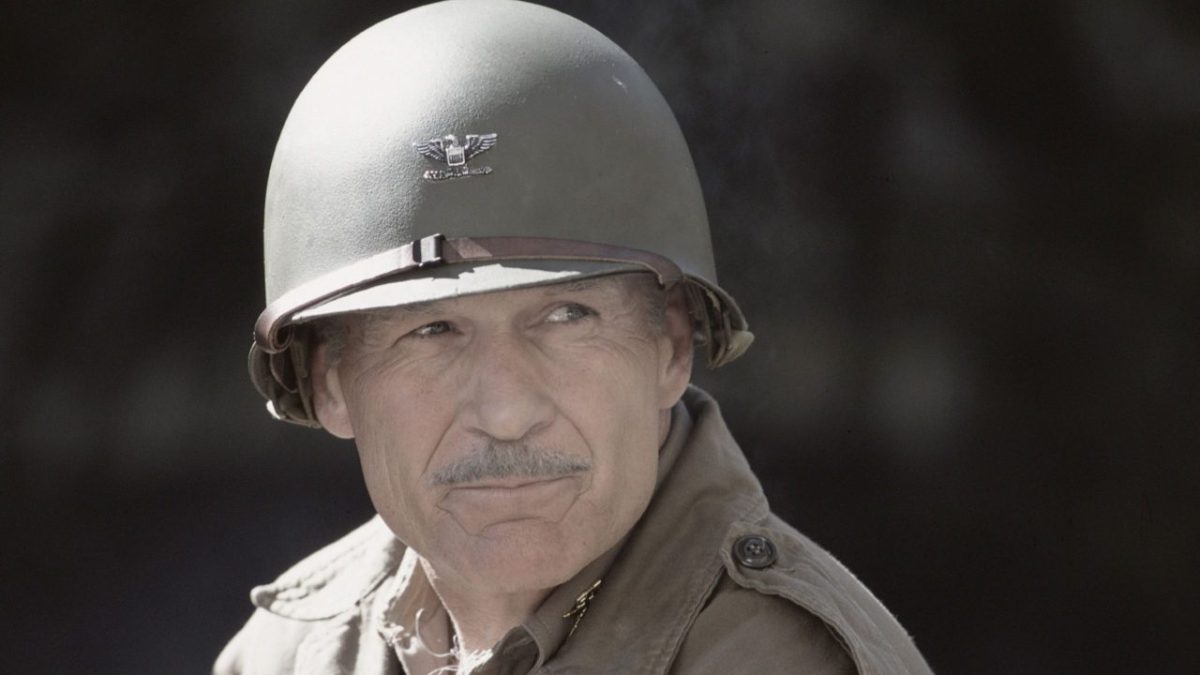
Band of Brothers is widely considered one of the greatest war dramas ever made — but even the most celebrated productions have moments that don’t quite survive scrutiny. A WWII historian has pointed to at least one scene in the beloved HBO miniseries and called it, plainly, “so ridiculous.” That kind of critique lands differently when it comes from someone who studies the real history for a living.
The trend of bringing in subject-matter experts — historians, doctors, lawyers, military veterans — to evaluate the accuracy of popular films and TV shows has become a fixture of modern entertainment commentary. Whether you find it illuminating or pedantic probably depends on how much you care about the gap between Hollywood storytelling and documented fact. But when the subject is World War II, and the show in question built its entire reputation on authenticity, the criticism carries real weight.
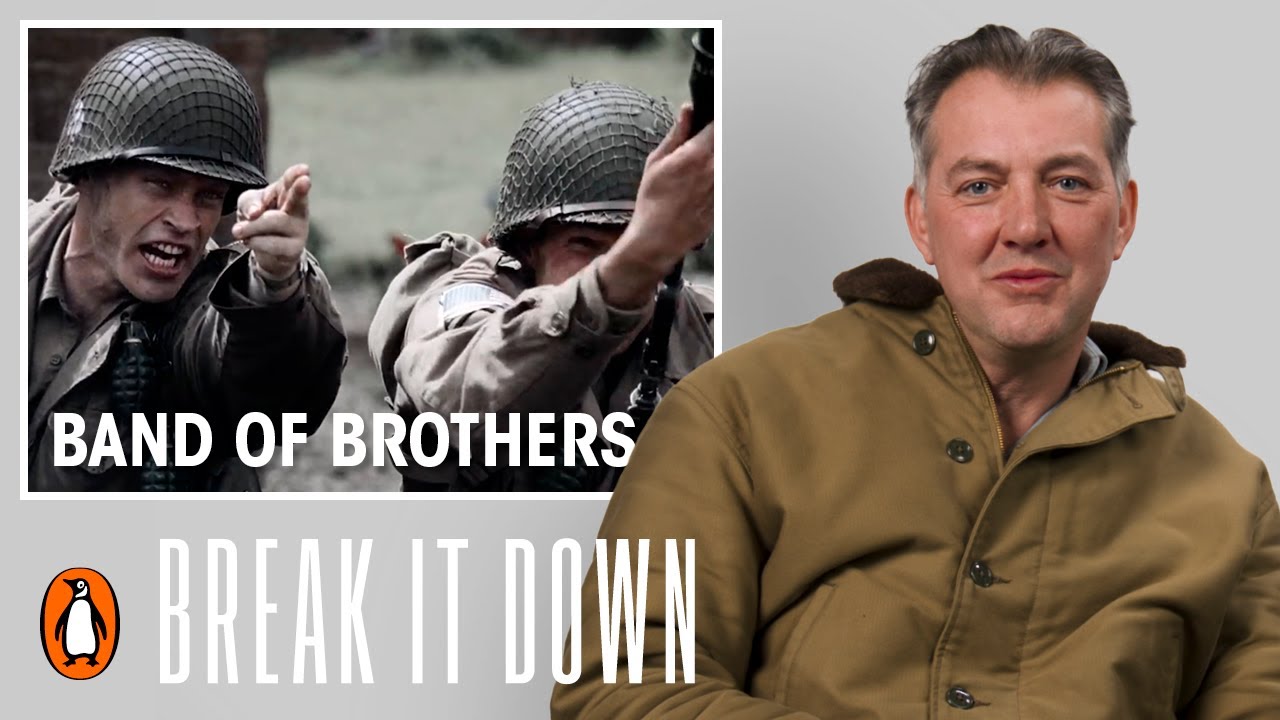
Band of Brothers, the 2001 HBO miniseries produced by Steven Spielberg and Tom Hanks, was based on historian Stephen Ambrose’s account of Easy Company, 506th Parachute Infantry Regiment, 101st Airborne Division. It followed those soldiers from their training through the end of the war in Europe. The show was praised extensively for its attention to detail — which makes any scene a historian flags as implausible all the more notable.
Why Accuracy Matters So Much for Band of Brothers
Band of Brothers didn’t present itself as a loose dramatization. It leaned hard into its reputation as a faithful retelling of real events experienced by real soldiers. Many of the actual veterans appeared in the series, speaking directly to camera in interview segments. That framing — essentially documentary-style bookends wrapped around dramatized action — set an implicit contract with the audience: this is as close to the truth as television can get.
That makes any historical inaccuracy more jarring than it might be in a purely fictional war story. When a show tells you it’s the real thing, and then a trained historian watches a scene and calls it ridiculous, it forces a reassessment of how much creative license was actually taken along the way.
The specific scene flagged involves a tank — and according to the historian’s assessment, the way it is depicted doesn’t hold up against what actually happened in the war or how armored warfare worked in practice during that period.
What the Historian’s Criticism Actually Points To
The critique, described as calling the scene “so ridiculous,” reflects a broader tension that runs through nearly every major war production: the demands of dramatic storytelling frequently conflict with the messy, unglamorous, and often counterintuitive realities of actual combat.
Tank warfare in World War II, for example, operated under constraints and tactical realities that don’t always translate well to screen. Armor engagements involved coordination, terrain awareness, mechanical limitations, and vulnerability profiles that Hollywood tends to compress or ignore entirely in favor of visual impact.
When historians evaluate these scenes, they’re often reacting not just to minor technical errors but to moments where the underlying logic of warfare has been fundamentally misrepresented — where what’s shown on screen would have been tactically impossible, suicidal, or simply not how the equipment or the soldiers of that era behaved.
How Band of Brothers Holds Up Overall
One questionable scene doesn’t erase the series’ broader legacy of care and research. By most assessments — historical and popular — Band of Brothers remains one of the most meticulously produced war dramas in television history. The show drew on firsthand accounts, period research, and the direct participation of surviving veterans to reconstruct the European theater with a level of detail that most productions never attempt.
Still, it’s worth acknowledging what the historian’s criticism reflects about the limits of even the best-intentioned productions.
| What the Show Got Right | Where Dramatic License Crept In |
|---|---|
| Based on Stephen Ambrose’s documented historical account | Certain combat scenes simplified or dramatized for impact |
| Real veterans appeared and contributed to the production | Tank and armored warfare depictions flagged as inaccurate |
| Followed actual soldiers of Easy Company, 506th PIR, 101st Airborne | Hollywood storytelling demands sometimes override tactical realism |
| Produced by Steven Spielberg and Tom Hanks with significant research backing | Individual scenes have drawn criticism from military historians |
The Broader Question About War Films and Historical Truth
The expert-reacts format — where professionals watch and critique scenes from their field — has become genuinely popular online and in entertainment media. It works because it exposes the invisible compromises built into almost every production. A doctor watching a hospital drama, a lawyer watching a courtroom thriller, a military historian watching a war series — they all see a version of the same thing: a world that looks like theirs but operates by entirely different rules.
For audiences, this kind of critique can actually deepen appreciation for a show rather than diminish it. Understanding where the liberties were taken makes the parts that are accurate feel more meaningful. It also raises a fair question about responsibility — when a show like Band of Brothers carries the implicit authority of true events, does a historically absurd scene do a disservice to the real soldiers whose experiences it claims to represent?
Historians who study this period tend to think the answer is yes — at least in part. Getting the broad strokes right while fumbling specific tactical details still shapes how millions of viewers understand what those soldiers actually faced.
What This Means for How We Watch War Dramas
The honest takeaway is that no film or television production — however well-resourced or well-intentioned — gets everything right. Band of Brothers is still exceptional television. But exceptional television made with real historical figures as its subjects carries an obligation that purely fictional storytelling does not.
When a historian calls a scene “so ridiculous,” it’s worth pausing to ask what that scene teaches an audience that never lived through the war, and whether the dramatic payoff was worth the historical cost.
Frequently Asked Questions
Which specific scene in Band of Brothers did the historian call “so ridiculous”?
The criticism involves a tank scene in the series, though the precise episode and full details of the historian’s critique are drawn from commentary on the show’s depiction of armored warfare.
Is Band of Brothers based on a true story?
Yes. The series is based on historian Stephen Ambrose’s account of Easy Company, 506th Parachute Infantry Regiment, 101st Airborne Division, and follows real soldiers through World War II in Europe.
Who produced Band of Brothers?
The HBO miniseries was produced by Steven Spielberg and Tom Hanks and first aired in 2001.
Did real veterans participate in Band of Brothers?
Yes. Surviving veterans of Easy Company appeared in the series in interview segments that bookended the dramatized episodes.
Does historical inaccuracy in one scene undermine the whole series?
Most critics and historians would say no — Band of Brothers is still widely regarded as one of the most carefully researched war dramas ever made, even if individual scenes have drawn scrutiny.
Why do historians critique war films and TV shows?
Because productions based on real events shape how large audiences understand history, historians argue that significant inaccuracies — especially in tactical or combat depictions — can mislead viewers about what soldiers actually experienced.



Leave a Reply