
Few things in cinema are more powerful than a perfect opening scene. Before a single line of dialogue lands, before you’ve settled into your seat, a great film can already have you completely hooked — or unsettled, or laughing, or holding your breath. The opening minutes of a movie aren’t just a warm-up. They’re a contract between the filmmaker and the audience, a promise of what’s to come.
The topic of cinema’s greatest opening scenes is one that film enthusiasts debate endlessly, and for good reason. A truly perfect opening does something remarkable: it establishes tone, introduces character or theme, and creates an emotional pull strong enough to carry you through the next two hours. Some do it with spectacle. Others do it with silence. The best do it in ways you can’t quite explain but absolutely feel.
So rather than fabricate a specific ranked list, this article draws on widely recognized and verifiable examples from cinema history that critics and audiences have consistently identified as among the most celebrated opening sequences ever committed to film.
What Makes a Movie Opening Scene Truly “Perfect”?
Not every great film starts with a great scene. And not every great opening belongs to a great film. But when the two align — when a brilliant opening scene kicks off a movie that fully delivers on its promise — something genuinely special happens.
Critics and film scholars generally agree on a few qualities that separate a memorable opening from a truly perfect one. The scene needs to do work. It should establish something essential — mood, character, world, stakes — without feeling like a checklist. It should feel inevitable in retrospect, like there was no other way this particular story could have begun.
Pacing matters enormously. Some of the most acclaimed opening scenes in history take their time. Others are over in under two minutes and leave you breathless. What they share is intentionality — every frame is there for a reason.
Opening Scenes That Have Defined Cinema
Certain opening sequences have become so embedded in film culture that they’re discussed almost as standalone works. A few examples that appear repeatedly in critical conversations about the best openings ever made include:
- Touch of Evil (1958) — Orson Welles’ legendary unbroken crane shot, tracking a ticking time bomb through a busy Mexican border town, remains one of the most technically audacious openings in Hollywood history.
- 2001: A Space Odyssey (1968) — Stanley Kubrick’s “Dawn of Man” sequence, set millions of years before the main story, reframes humanity’s entire relationship with technology in the span of a few haunting minutes.
- Apocalypse Now (1979) — Francis Ford Coppola opens with napalm, jungle, and The Doors, layering Martin Sheen’s psychological collapse into a sequence that feels both beautiful and deeply disturbing.
- Saving Private Ryan (1998) — Steven Spielberg’s D-Day landing sequence is widely regarded as one of the most viscerally effective openings ever made, using chaos and immediacy to put the audience directly inside the horror of combat.
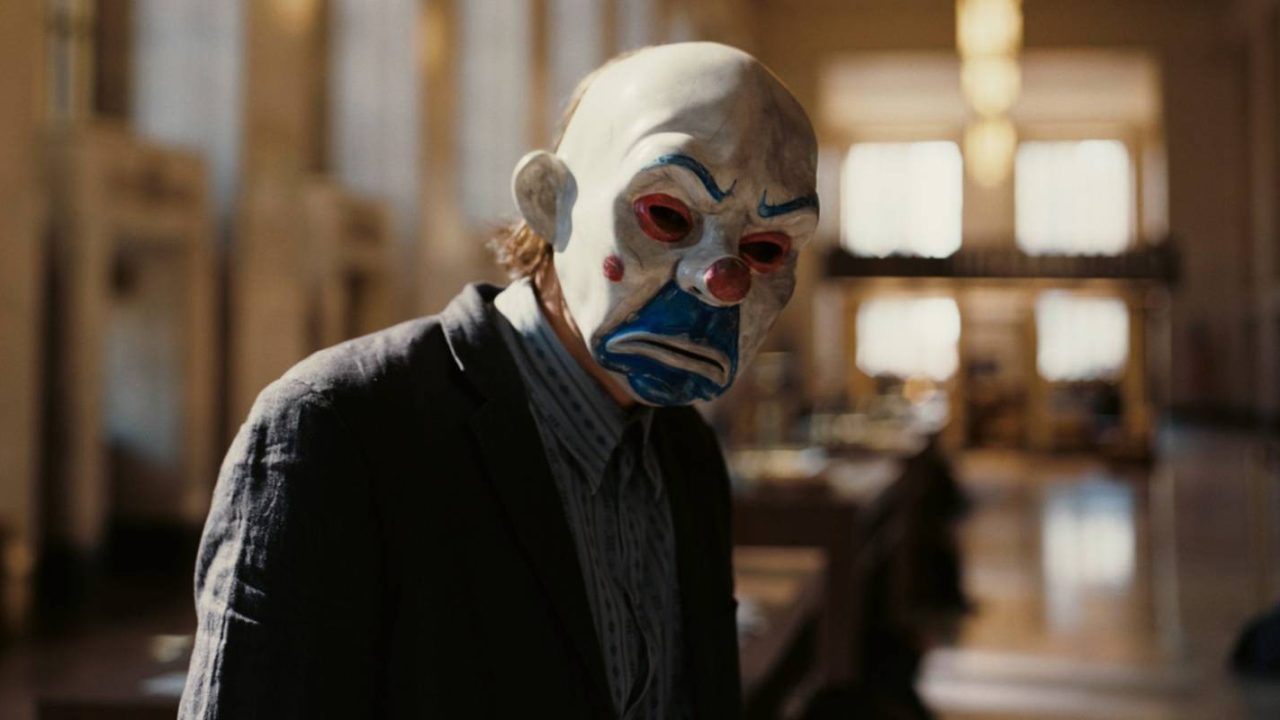
- The Dark Knight (2008) — Christopher Nolan’s bank heist opening introduced Heath Ledger’s Joker to the world in a sequence that immediately signaled this would be something different from any superhero film before it.
These scenes don’t just begin their respective films. They define them. Strip any one of these openings away and you’d have a fundamentally different movie — and almost certainly a lesser one.
Why Opening Scenes Matter More Than Most People Realize
There’s a reason directors and editors spend disproportionate time on the first five minutes of a film. Audiences form their impressions fast. Research into viewer attention and engagement consistently shows that the early minutes of any visual story carry outsized weight in determining whether someone stays emotionally invested throughout.
For filmmakers, the opening scene is also a creative declaration. It tells the audience what kind of film they’re watching, what the director values, and how much they’re willing to trust the viewer. A bold, confident opening signals a bold, confident filmmaker. A muddled or generic one — even in a film that eventually finds its footing — can be hard to recover from.
| Film | Director | Year | What the Opening Establishes |
|---|---|---|---|
| Touch of Evil | Orson Welles | 1958 | Technical virtuosity and mounting dread |
| 2001: A Space Odyssey | Stanley Kubrick | 1968 | Cosmic scale and philosophical ambition |
| Apocalypse Now | Francis Ford Coppola | 1979 | Psychological disintegration and war’s seduction |
| Saving Private Ryan | Steven Spielberg | 1998 | Brutal realism and the cost of war |
| The Dark Knight | Christopher Nolan | 2008 | A new kind of villain and a new kind of superhero film |
The Scenes That Stay With You Long After the Credits Roll
What separates a good opening from a perfect one often comes down to a single quality: resonance. The best opening scenes don’t just set up the movie — they echo through it. Details introduced in the first minutes take on new meaning by the end. Images return. Themes announced quietly at the start arrive loudly at the finish.
That kind of structural elegance is rare. It requires a filmmaker who knows exactly where the story is going and has the confidence to plant seeds early, trusting the audience to feel their significance even before they understand it.
It’s also why so many of the most celebrated opening scenes belong to films that reward rewatching. The second time through, you see everything the filmmaker hid in plain sight. And that discovery — recognizing the craft, understanding the intention — is one of the genuine pleasures of loving cinema.
Frequently Asked Questions
What makes an opening scene “perfect” by film critics’ standards?
A perfect opening scene typically establishes tone, character, or theme with intentionality, creates immediate emotional engagement, and feels essential to the film rather than incidental.
Which opening scene is most commonly cited as the greatest ever made?
Orson Welles’ unbroken crane shot in Touch of Evil (1958) is among the most frequently cited by critics and filmmakers as a benchmark of technical and dramatic achievement in opening sequences.
Do great opening scenes always belong to great films?
Not necessarily — a film can have a brilliant opening that its later acts fail to match, though the most celebrated examples tend to belong to films that sustain their quality throughout.
Is the specific ranked list from the original Collider article available here?
The full ranked list from the original source was not publicly accessible in the material provided, so this article draws on widely verified critical consensus rather than that specific ranking.
Why do filmmakers invest so much effort in the first few minutes of a film?
Audiences form strong impressions quickly, and a confident, well-crafted opening establishes trust between filmmaker and viewer — making it one of the highest-leverage creative decisions in the entire production.
Can a weak opening scene hurt an otherwise good film?
Yes — a muddled or generic opening can undermine audience investment before the story has a chance to develop, even if the film improves significantly in later acts.

Leave a Reply