
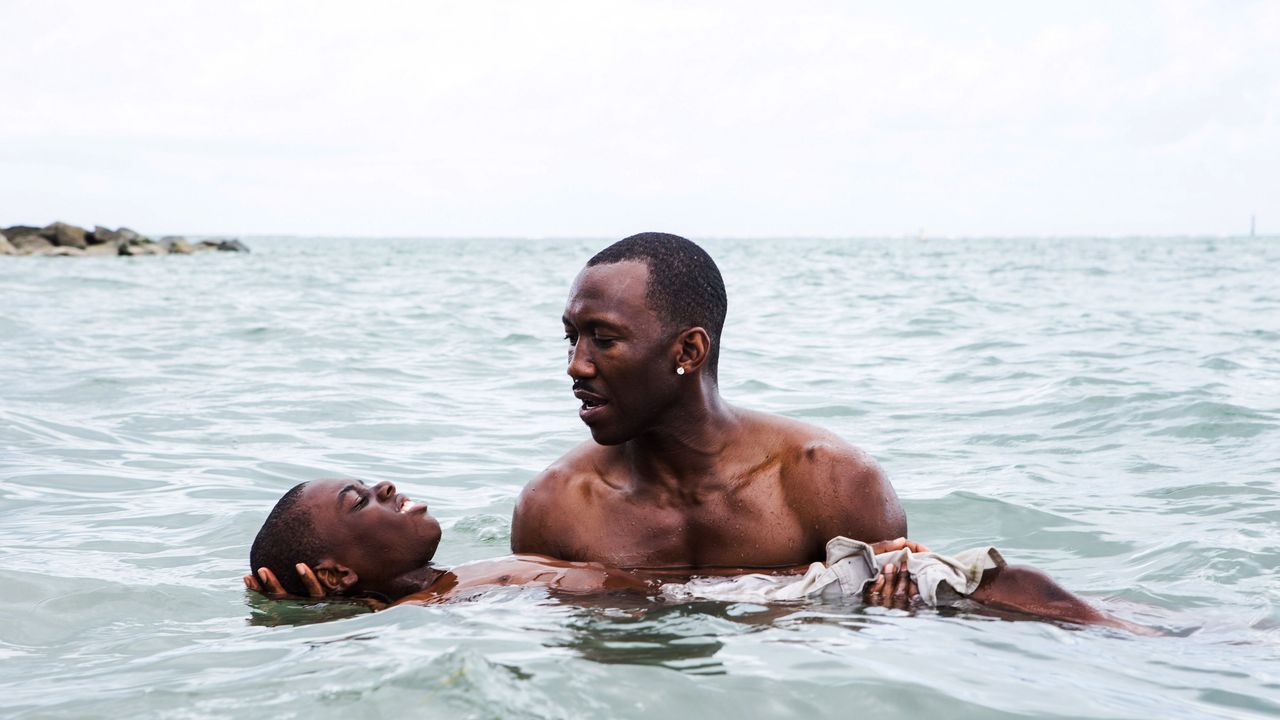
Winning Best Picture at the Oscars is the ultimate Hollywood honor — but it turns out that critical acclaim and massive box office returns don’t always go hand in hand. Some of the most celebrated films in Academy history barely made a ripple at the box office, while a select few managed to do something genuinely rare: win the top prize and become genuine blockbusters.
The overlap between Oscar glory and commercial dominance is smaller than most people realize. Of the roughly 100 films that have taken home the Best Picture statuette since the Academy Awards began in 1929, only a handful crossed into the kind of box office territory usually reserved for superhero franchises and summer spectacles.
Here’s a look at what the numbers actually tell us about the highest-grossing Best Picture winners in Oscar history — and why that list might surprise you.
Why Most Best Picture Winners Don’t Break Box Office Records
The Academy has historically favored prestige dramas, historical epics, and intimate character studies over the crowd-pleasing genre films that tend to dominate multiplexes. That means the typical Best Picture winner is more likely to be a quiet, awards-season release with a modest theatrical run than a summer tentpole pulling in hundreds of millions of dollars.
That dynamic has shifted somewhat over the decades. Films with broader mainstream appeal — big-budget epics, sweeping romances, and crowd-pleasing adventure stories — have occasionally broken through both critically and commercially. But they remain the exception, not the rule.
The result is a Best Picture list where genuine box office giants are genuinely rare, making the films that achieved both distinctions all the more remarkable.
The Highest-Grossing Best Picture Oscar Winners
When looking at which Best Picture winners generated the most revenue, a clear pattern emerges. The films that topped both the awards circuit and the box office charts tend to share certain qualities: epic scale, wide mainstream appeal, and the kind of cultural momentum that kept audiences returning to theaters week after week.
Based on well-documented box office records, the films most consistently cited among the highest-grossing Best Picture winners include some of the most iconic titles in cinema history. These are movies that didn’t just win awards — they became cultural events.
| Film | Year Won Best Picture | Notable For |
|---|---|---|
| Titanic | 1998 | One of the highest-grossing films ever made |
| The Lord of the Rings: The Return of the King | 2004 | Swept the Oscars with 11 wins; massive global gross |
| Forrest Gump | 1995 | Dominated the cultural conversation for years |
| Gladiator | 2001 | Revived the epic sword-and-sandal genre |
| Rain Man | 1989 | Top-grossing film of its year |
| Gone with the Wind | 1940 | Adjusted for inflation, among the highest-grossing films ever |
| Ben-Hur | 1960 | Record-setting epic that dominated its era |
| The Silence of the Lambs | 1992 | Rare horror-adjacent film to win Best Picture |
| Schindler’s List | 1994 | Massive critical and commercial success for a difficult subject |
| American Beauty | 2000 | Strong box office performance for a prestige drama |
What These Films Have in Common
Look at that list and a few things stand out immediately. The biggest commercial performers among Best Picture winners tend to be films with a strong emotional core that translates across demographics. Titanic wasn’t just a disaster movie — it was a love story. Forrest Gump wasn’t just a character study — it was a journey through American history that felt personal to virtually every viewer.
Epic scale also plays a role. Ben-Hur, Gone with the Wind, and The Return of the King all delivered the kind of spectacle that gave audiences a genuine reason to leave the house and see something on the biggest screen possible. That sense of event cinema is hard to manufacture — and when it aligns with genuine quality, the results can be staggering.
Genre matters too. The films on this list span historical epics, war dramas, science fiction-adjacent stories, and crowd-pleasing adventures. What they don’t include are the quiet, dialogue-driven chamber pieces that often dominate awards conversation in recent years — films that earn nominations but rarely the kind of ticket sales that push a movie into the box office record books.
The Gap Between Critical Acclaim and Commercial Success
For every Titanic on the Best Picture list, there are a dozen winners that most casual moviegoers would struggle to name. Films like The Artist, Crash, and The Shape of Water earned the Academy’s top honor but generated relatively modest box office returns compared to the blockbusters of their respective years.
That tension has always existed at the Oscars. The Academy membership — made up of industry professionals — doesn’t always vote the same way the general public spends its money. Sometimes those two groups align. More often, they don’t.
What makes the highest-grossing Best Picture winners special is precisely that rarity. These are the films that somehow managed to satisfy both audiences and the Academy simultaneously — a genuinely difficult feat in an industry where the two goals often pull in opposite directions.
Why This Still Matters for Modern Audiences
Understanding which Best Picture winners actually connected with mass audiences is useful context for anyone trying to make sense of how the Oscars work — and why the ceremony sometimes feels disconnected from the movies people actually saw and loved.
It’s also a reminder that commercial success and artistic quality aren’t mutually exclusive. The films at the top of this list aren’t just profitable — they’re genuinely great movies that have stood the test of time. Gone with the Wind, adjusted for inflation, remains one of the highest-grossing films in history. The Lord of the Rings: The Return of the King is still widely considered one of the finest fantasy films ever made.
The Oscars don’t always get it right. But when the Academy’s judgment and the public’s enthusiasm point in the same direction, the results tend to be unforgettable.
Frequently Asked Questions
Which Best Picture winner made the most money at the box office?
Titanic is widely recognized as one of the highest-grossing Best Picture winners ever, and one of the highest-grossing films of all time in any category.
Has a superhero movie ever won Best Picture?
As of the most recent Oscar ceremonies, no superhero film has won Best Picture, though several have received nominations in other categories.
Do Best Picture winners usually perform well at the box office?
Not necessarily — many Best Picture winners are prestige dramas with modest theatrical runs, and only a small number have crossed into genuine blockbuster territory.
Is Gone with the Wind really one of the highest-grossing films ever?
When adjusted for inflation, Gone with the Wind is consistently ranked among the highest-grossing films in cinema history, even by modern standards.
Why do some great films win Best Picture but underperform commercially?
The Academy membership tends to favor certain types of storytelling — often intimate, dialogue-driven dramas — that don’t always align with the broad mainstream appeal needed for blockbuster box office performance.
Has any Best Picture winner also been the top-grossing film of its release year?
Yes — films like Rain Man and Titanic were among the top-grossing releases of their respective years while also claiming the Best Picture prize.



Leave a Reply