
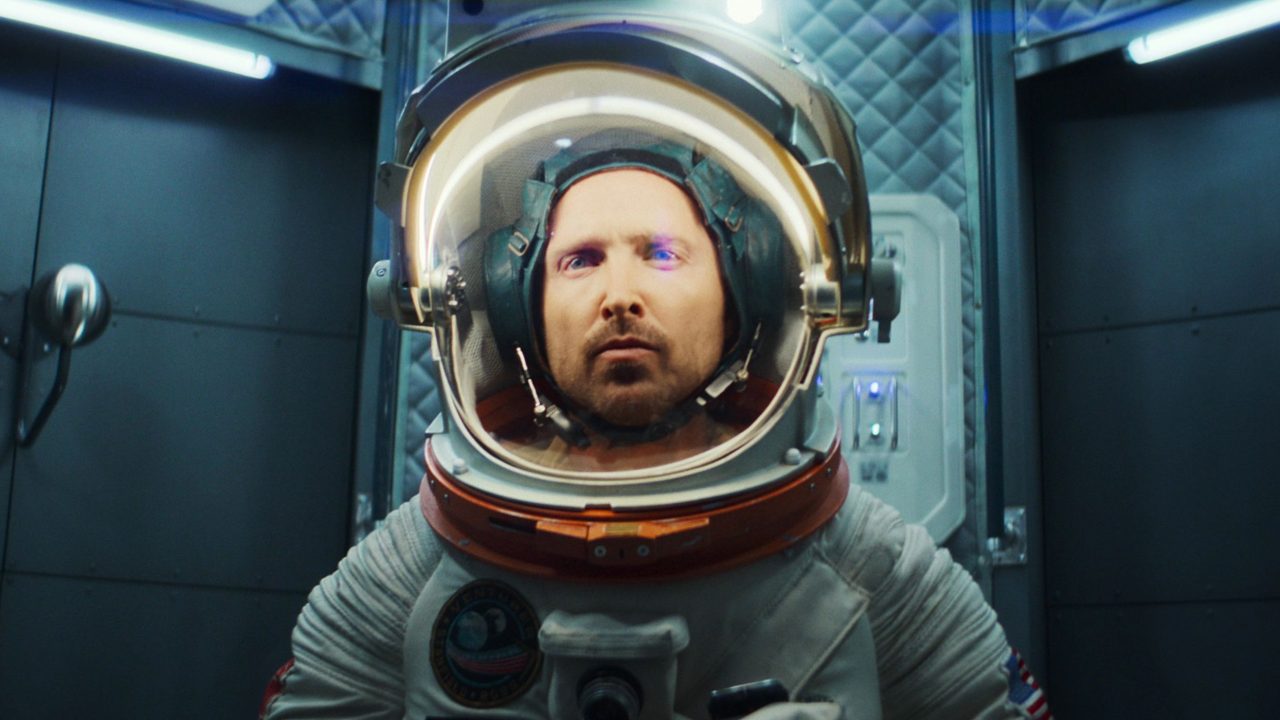
If you’ve ever finished a Black Mirror episode and immediately wanted more — that specific feeling of dread mixed with fascination, where technology feels both thrilling and deeply unsettling — there’s a new anthology series worth knowing about. It’s called SF8, and it delivers exactly that kind of thought-provoking science fiction storytelling.
The series comes from South Korea and consists of eight standalone episodes, each one a self-contained story exploring how technology intersects with human life in ways that are uncomfortable, emotional, and often eerily plausible. For fans of speculative fiction who have been waiting for something to fill the gap between Black Mirror seasons, SF8 has quietly become a recommendation worth taking seriously.
The show originally aired in South Korea and has since found an international audience among viewers hungry for anthology sci-fi that doesn’t just rely on spectacle — but actually has something to say.
What SF8 Actually Is
SF8 is an eight-part South Korean science fiction anthology series. Each episode was directed by a different filmmaker, giving the series a varied visual and tonal range while keeping a consistent thematic thread: the relationship between humans and technology, and what that relationship costs us.
The format will feel immediately familiar to Black Mirror viewers. There’s no overarching plot connecting the episodes. Each story stands entirely on its own, with its own characters, world, and central idea. You can watch them in any order, and each one leaves you with something to think about long after it ends.
What sets SF8 apart is its specifically Korean lens on these questions. The anxieties it explores — around artificial intelligence, virtual reality, labor automation, and social isolation — are universal, but the cultural context gives them a distinct texture that feels fresh rather than derivative.
Why Black Mirror Fans Will Connect With This Series
The comparison to Black Mirror isn’t just a marketing hook. Both shows operate from the same core premise: take a piece of modern technology, push it slightly further than where it currently sits, and then ask what happens to the humans caught inside that system.
SF8 doesn’t lean as hard into horror as some of the darker Black Mirror episodes do. Its tone sits closer to melancholy and philosophical unease than outright terror. But that restraint is part of what makes it effective. The stories feel grounded in emotional reality, which makes their speculative elements land harder.
Viewers who appreciated Black Mirror episodes that focused on grief, loneliness, and connection — rather than pure dystopian shock — will likely find SF8 particularly resonant.
The Eight-Episode Format at a Glance
The anthology structure means each episode functions as a short film. This is worth understanding before you start watching, because it shapes how you engage with the series. There’s no slow-burn character development across multiple episodes. Every story has to earn its emotional impact quickly, and the best episodes of SF8 do exactly that.
| Series | Format | Origin | Tone | Best For |
|---|---|---|---|---|
| SF8 | 8 standalone episodes | South Korea | Melancholy, philosophical | Black Mirror fans, K-drama viewers |
| Black Mirror | Standalone episodes per season | United Kingdom | Dark, satirical, occasionally hopeful | Tech skeptics, dystopian fiction fans |
The different-director approach across SF8’s eight episodes also means the series has genuine range. Some episodes are visually austere. Others are more stylized. That variety keeps the viewing experience from becoming repetitive, which is a real risk with anthology formats when the thematic territory stays consistent.
The Themes That Make SF8 Worth Your Time
Science fiction works best when the technology is a vehicle for something more human. SF8 understands this. The series consistently uses its speculative premises to explore questions about identity, memory, connection, and what it means to be present in your own life.
These are questions that don’t require a Korean cultural context to feel urgent. They’re the same questions that make Black Mirror compelling to global audiences, and they’re the reason SF8 has traveled so well beyond its original market.
- Artificial intelligence and what it means for human relationships
- Virtual reality as escape — and as trap
- Automation and its effect on identity and purpose
- Social isolation in technologically connected societies
- Grief, memory, and the ethics of digital resurrection
Any one of those themes would be enough to anchor a strong episode of speculative fiction. SF8 works through all of them across its eight-episode run, giving each story enough room to develop its central idea without overstaying its welcome.
Where SF8 Fits in the Current Sci-Fi Landscape
The appetite for smart, grounded science fiction anthology content remains strong, and the supply has never quite kept pace with demand. Black Mirror releases new seasons infrequently, and while there are other anthology series in the space, few have matched its combination of accessibility and ambition.
SF8 doesn’t replace Black Mirror — nothing really does — but it fills a specific gap for viewers who want thoughtful, human-scale science fiction that takes its ideas seriously. The fact that it comes from South Korea also matters, because Korean genre storytelling has demonstrated consistently over the past several years that it can compete with — and often surpass — Western productions in emotional sophistication and narrative craft.
For anyone who has already worked through the existing Black Mirror catalog and is looking for something that scratches a similar itch, SF8 is one of the more compelling options currently available.
Frequently Asked Questions
What is SF8?
SF8 is a South Korean science fiction anthology series consisting of eight standalone episodes, each directed by a different filmmaker and exploring themes around technology and human experience.
Why is SF8 being compared to Black Mirror?
Both series use a standalone anthology format to examine how technology affects human life, often with unsettling or emotionally complex results, making SF8 a natural recommendation for Black Mirror fans.
Do you need to watch SF8 episodes in order?
No — because each episode is a completely self-contained story with its own characters and premise, they can be watched in any order.
Where can I watch SF8?
How many episodes does SF8 have?
SF8 consists of eight episodes in total, with each episode functioning as an independent short film within the anthology.
Is SF8 suitable for viewers who don’t usually watch Korean television?
Yes — the series deals with universal themes around technology, identity, and human connection that translate well across cultural contexts, much like Black Mirror does for global audiences.




Leave a Reply