
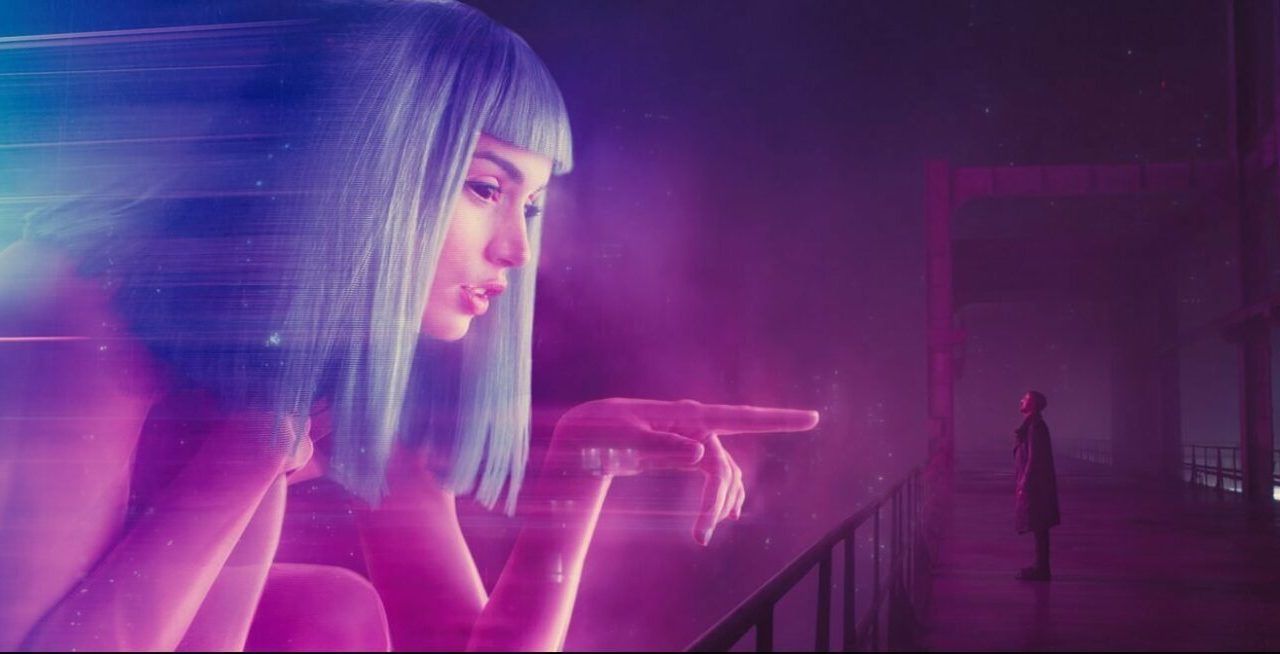
Some films arrive too early for the world to fully appreciate them — and Blade Runner 2049 may be the clearest example of that in recent memory. Released in 2017 and starring Ryan Gosling, the cyberpunk sequel was considered a commercial disappointment at the time, yet it has since been widely recognized as one of the most visually and thematically ambitious science fiction films ever made.
Now, nearly nine years later, a compelling case is being made that Blade Runner 2049 didn’t just stand on its own as a masterpiece — it quietly laid the groundwork for director Denis Villeneuve’s Dune trilogy. The connection runs deeper than a shared filmmaker. It runs through craft, patience, and a willingness to treat science fiction as serious art.
If you’ve ever wondered why the modern Dune films feel so different from every other big-budget franchise movie, the answer might have been hiding in plain sight since 2017.
How Blade Runner 2049 Became the Blueprint for a New Kind of Sci-Fi Epic
Denis Villeneuve directed both Blade Runner 2049 and the ongoing Dune series. That shared authorship is the most obvious thread connecting the two projects, but it’s far from the only one. What Blade Runner 2049 gave Villeneuve — and by extension, audiences — was proof that a slow, meditative, visually overwhelming science fiction film could exist inside the Hollywood studio system.
That was not a given in 2017. Big-budget sci-fi at the time was largely defined by rapid editing, constant action, and franchise-building. Blade Runner 2049 did none of those things. It ran nearly three hours, trusted silence as much as dialogue, and asked audiences to sit with images rather than race past them.
When Villeneuve moved on to adapt Frank Herbert’s Dune — one of the most notoriously complex novels in science fiction — he brought that same philosophy with him. The result was a pair of films that felt genuinely unlike anything else in modern blockbuster cinema.
What Blade Runner 2049 and the Dune Films Actually Share
The parallels between Blade Runner 2049 and the Dune series go well beyond their director. Both franchises share a visual language built on scale, stillness, and an almost painterly attention to light and environment. Both ask their protagonists to move through worlds that feel ancient and unknowable, even when those worlds are set in the future.
Ryan Gosling’s performance as K in Blade Runner 2049 also established a particular kind of sci-fi lead — restrained, internally complex, carrying enormous emotional weight beneath a near-expressionless surface. That template echoes clearly in Timothée Chalamet’s portrayal of Paul Atreides across the Dune films.
- Shared director: Denis Villeneuve helmed both Blade Runner 2049 and the Dune films
- Visual philosophy: Both franchises prioritize atmosphere and scale over rapid-fire editing
- Protagonist archetype: Quiet, internally driven leads carrying the weight of larger destinies
- Runtime and pacing: Both are deliberately long, trusting the audience’s patience
- Practical world-building: Environments feel lived-in and tactile rather than purely digital
- Thematic seriousness: Both engage with identity, power, and humanity at a philosophical level
The Numbers Behind the Legacy
Blade Runner 2049’s box office performance in 2017 was a genuine disappointment relative to its budget. But the film’s critical reputation and cultural footprint have only grown in the years since. That trajectory — underperforming commercially, then becoming a touchstone — is itself part of why the Dune films were made the way they were.
| Film | Director | Release Year | Genre |
|---|---|---|---|
| Blade Runner 2049 | Denis Villeneuve | 2017 | Cyberpunk / Sci-Fi Noir |
| Dune: Part One | Denis Villeneuve | 2021 | Epic Science Fiction |
| Dune: Part Two | Denis Villeneuve | 2024 | Epic Science Fiction |
| Dune: Part Three (planned) | Denis Villeneuve | TBD | Epic Science Fiction |
Villeneuve’s ability to secure the Dune trilogy — and to make it on his own terms — was almost certainly shaped by the conversation that Blade Runner 2049 started, even if that conversation took a few years to fully take hold.
Why This Matters for Anyone Who Loves Serious Science Fiction
For audiences who have spent years watching science fiction get flattened into interchangeable action spectacle, Blade Runner 2049 and the Dune films represent something genuinely rare: studio-backed, big-screen science fiction that treats the genre as literature.
That didn’t happen by accident. It happened because one filmmaker used a difficult, underseen cyberpunk sequel to prove something to an industry — that audiences would follow a slow, beautiful, morally serious sci-fi film all the way to its end, and remember it for years afterward.
Blade Runner 2049 was, in that sense, a quiet act of persuasion. It argued for a different kind of blockbuster. And the Dune trilogy is the result of that argument being won.
What Comes Next for Villeneuve’s Universe
With a third Dune film still in development, the lineage that began with Blade Runner 2049 continues. Villeneuve remains one of the few directors working at this scale who operates with genuine artistic autonomy, and the path that led here runs directly through Ryan Gosling’s 2017 film.
Whether the Dune trilogy ultimately surpasses Blade Runner 2049 in the cultural conversation is an open question. What’s no longer in question is the debt it owes.
Frequently Asked Questions
What is Blade Runner 2049?
Blade Runner 2049 is a 2017 cyberpunk science fiction film starring Ryan Gosling and directed by Denis Villeneuve, widely considered a masterpiece of the genre.
How is Blade Runner 2049 connected to the Dune trilogy?
Both film series were directed by Denis Villeneuve, and Blade Runner 2049 is broadly considered to have established the visual and tonal approach that Villeneuve carried into the Dune films.
Did Blade Runner 2049 perform well at the box office?
The film was considered a commercial disappointment on release in 2017, though its critical reputation and cultural standing have grown significantly in the years since.
How many Dune films are planned?
Denis Villeneuve is working on a trilogy of Dune films, with the third installment still in development as of 2026.
Who stars in Blade Runner 2049?
Ryan Gosling plays the lead role of K in the film, with a supporting cast that includes Harrison Ford reprising his role from the original 1982 Blade Runner.
Is Blade Runner 2049 worth watching before the Dune films?
For viewers interested in Denis Villeneuve’s filmmaking style and the visual philosophy behind the Dune series, Blade Runner 2049 offers essential context and is widely regarded as one of his finest works.



Leave a Reply