
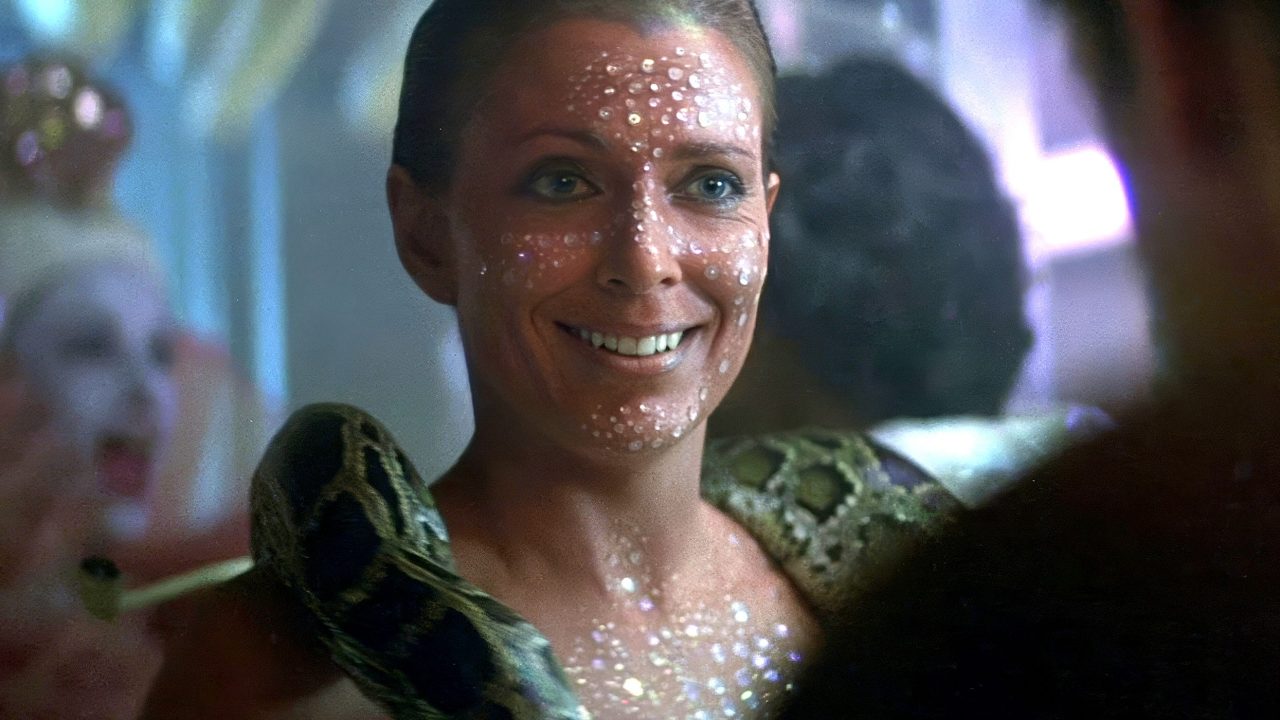
Few films in the history of science fiction have aged the way Blade Runner has — not gracefully, but with an almost eerie sharpness, as if Ridley Scott somehow knew exactly what kind of world we’d be living in decades later. Released in 1982, the film turns 44 this year, and the questions it raises about artificial intelligence, corporate power, and what it means to be human feel less like science fiction with every passing month.
That’s a remarkable thing to say about any movie, let alone one that was considered a box office disappointment when it first hit theaters. Blade Runner has since been recognized as one of the most influential films ever made — and right now, in 2026, it may be more relevant than at any point since its original release.
So what is it about this particular neo-noir that keeps pulling us back? And why does it hit differently now than it did even ten years ago?
What Blade Runner Actually Is — And What It’s Really About
On the surface, Blade Runner is a detective story set in a dystopian Los Angeles of 2019. Harrison Ford plays Rick Deckard, a “blade runner” tasked with hunting down and retiring a group of rogue replicants — bioengineered beings nearly indistinguishable from humans — who have returned to Earth illegally.
But the film was never really about the chase. It’s about consciousness, memory, and the uncomfortable question of who gets to decide which beings deserve rights and which ones don’t. The replicants in the film want more life. They want their experiences to matter. They’re terrified of being erased.
In 1982, that felt like a philosophical thought experiment. In 2026, with AI systems generating art, writing code, holding conversations, and increasingly being woven into the fabric of daily life, those questions have moved from the realm of speculation into something far more urgent.
Why Ridley Scott’s Vision Feels More Urgent Than Ever
The world Scott built in Blade Runner was defined by a few key conditions: mega-corporations with more power than governments, a population numbed by advertising and spectacle, technology that had outpaced the ethical frameworks designed to govern it, and a permanent underclass of beings whose humanity was debated rather than assumed.
None of that is hard to map onto the present moment. The film’s rain-soaked, neon-drenched Los Angeles — layered, crowded, and deeply unequal — feels less like a warning now and more like a weather forecast that came true.
What makes Blade Runner genuinely unsettling in 2026 is that the central dilemma of the film — how do you tell the difference between a human and something designed to seem human? — is no longer hypothetical. It’s a question being asked by regulators, ethicists, courts, and ordinary people trying to figure out whether the voice on the other end of their customer service call is a person or a program.
The Film’s Legacy and Its Place in Cinema History
Blade Runner is widely credited with establishing the visual language of cyberpunk as a genre — the aesthetic of a future that is technologically advanced but socially decayed. Its influence can be felt in everything from The Matrix to Ghost in the Shell to countless video games, fashion collections, and architectural designs.
Ridley Scott, already known for Alien by the time Blade Runner was released, cemented his reputation as one of the defining visual storytellers of his generation with the film. The movie’s look — designed in collaboration with production designer Lawrence G. Paull and visual futurist Syd Mead — remains astonishing even by modern standards.
| Key Fact | Detail |
|---|---|
| Original release year | 1982 |
| Director | Ridley Scott |
| Lead actor | Harrison Ford |
| Genre | Neo-noir science fiction |
| Years since release (2026) | 44 years |
| Setting | Dystopian Los Angeles, 2019 |
The film also sparked one of cinema’s longest-running debates: is Deckard himself a replicant? Scott has suggested yes. Ford has long resisted that interpretation. The ambiguity was intentional, and it’s part of what makes the film so enduring — it refuses to give you easy answers about who or what deserves empathy.
The Part of This Story Most People Forget
Blade Runner was not a hit when it came out. Critics were divided, audiences were confused, and the studio famously added a studio-mandated voice-over narration and a tacked-on happy ending that Scott hated. The director’s cut, released in 1992, and the definitive Final Cut in 2007, restored Scott’s original vision — and that’s the version most people know today.
The film’s rehabilitation from box office misfire to canonical masterpiece took decades. It found its audience on home video, then on cable, then through a slow-building critical reassessment that eventually placed it among the greatest science fiction films ever made.
That trajectory matters, because it says something about the film itself. Blade Runner wasn’t made for the moment it was released in. It was made for a moment that hadn’t arrived yet.
What Watching It Now Actually Feels Like
Watching Blade Runner in 2026 is a strange experience. The film is set seven years in our past, in a 2019 that looks nothing like the one we actually lived through — and yet it captures something true about the direction things were already heading.
The replicants aren’t robots. They’re not clunky machines. They’re indistinguishable from people, and that’s the point. The horror of the film isn’t that they’re monsters. It’s that they’re not — and the system treats them as if they are anyway.
That’s not an abstract concern anymore. As AI systems become more sophisticated, as synthetic media makes it harder to trust what we see and hear, and as questions about digital consciousness edge closer to mainstream debate, Blade Runner keeps finding new ways to be the right film for the wrong moment we’re living in.
Forty-four years on, it’s still asking questions we don’t have answers to. That’s not a flaw. That’s exactly what great science fiction is supposed to do.
Frequently Asked Questions
When was Blade Runner originally released?
Blade Runner was originally released in 1982, making 2026 its 44th anniversary.
Who directed Blade Runner?
The film was directed by Ridley Scott, who was already known for Alien at the time of its release.
Who stars in Blade Runner?
Harrison Ford plays the lead character, Rick Deckard, a blade runner tasked with tracking down rogue replicants.
Was Blade Runner a success when it first came out?
No — the film was considered a box office disappointment on release and received a divided critical response, only gaining its reputation as a classic over the following decades.
What is the “Final Cut” of Blade Runner?
The Final Cut, released in 2007, is Ridley Scott’s definitive version of the film, restoring his original vision after the studio had altered the original 1982 theatrical release.
Why is Blade Runner considered more relevant today than when it was released?
The film’s central themes — AI consciousness, corporate power, and the ethics of synthetic life — have moved from science fiction speculation to real-world debate, making the film feel increasingly prescient rather than dated.

Leave a Reply