
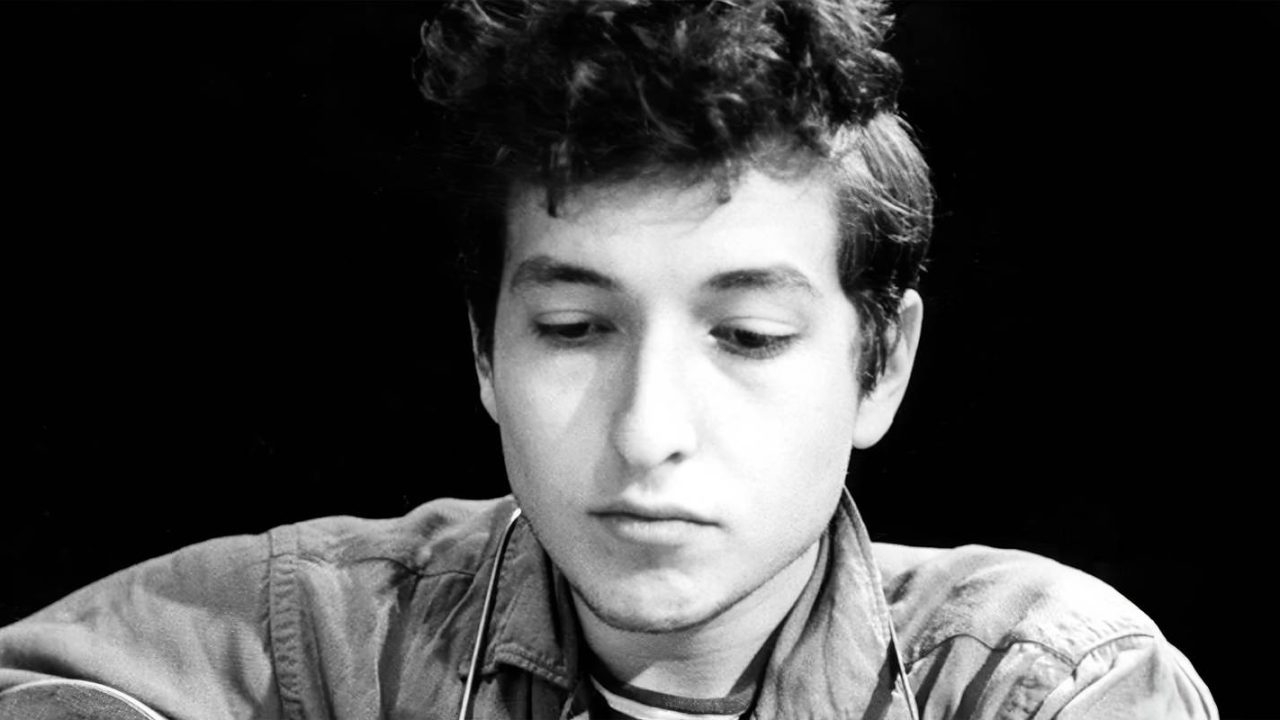
What does it take for an album to become a classic? Sometimes, it’s not the chart position at release — it’s everything that comes after. Bob Dylan’s self-titled debut, released in March 1962, is one of the clearest examples of that truth in all of popular music history.
The record didn’t storm the charts. It didn’t make Dylan an overnight sensation. Columbia Records executives reportedly had doubts about the young artist from Minnesota, and the album’s commercial performance did little to silence them. And yet, more than six decades later, that debut sits firmly in the canon of American folk music — a document of a 20-year-old artist on the edge of something enormous.
As the album marks 64 years since its release, it’s worth revisiting what made it matter, why it struggled at first, and how it eventually earned the reverence it holds today.
A Young Bob Dylan Walked Into Columbia — and Almost Walked Back Out
Bob Dylan recorded his debut album in just two days in November 1961, at Columbia Recording Studios in New York City. He was 20 years old. The sessions were produced by John Hammond, the legendary talent scout and producer who had also signed Billie Holiday and would later work with Bruce Springsteen and Aretha Franklin.
The album was recorded on a shoestring budget — Hammond reportedly spent around $402 on the entire project. That frugality reflected the label’s uncertainty about Dylan. Some Columbia executives, skeptical of Hammond’s instincts, privately referred to the young folk singer as “Hammond’s Folly.”
The finished record featured 13 tracks, the vast majority of which were covers — traditional folk songs, blues numbers, and material drawn from the American roots tradition. Only two songs on the album were original Dylan compositions: “Talkin’ New York” and “Song to Woody,” the latter a tribute to his hero, Woody Guthrie.
What Was Actually on Bob Dylan’s 1962 Debut Album
The tracklist gives a clear picture of where Dylan’s head was at the time. He was a student of American folk and blues, deeply influenced by Guthrie, Lead Belly, and the broader tradition he had absorbed in coffee houses and on the road.
| Track | Type | Notable Detail |
|---|---|---|
| You’re No Good | Cover | Traditional blues number |
| Talkin’ New York | Original | One of only two Dylan originals on the LP |
| In My Time of Dyin’ | Cover | Traditional spiritual/blues |
| Man of Constant Sorrow | Cover | Traditional Appalachian folk song |
| Fixin’ to Die | Cover | Bukka White composition |
| Pretty Peggy-O | Cover | Traditional folk ballad |
| Highway 51 Blues | Cover | Curtis Jones composition |
| Gospel Plow | Cover | Traditional spiritual |
| Baby, Let Me Follow You Down | Cover | Traditional, credited to Eric Von Schmidt |
| House of the Risin’ Sun | Cover | Traditional folk/blues standard |
| Freight Train Blues | Cover | Traditional |
| Song to Woody | Original | Tribute to Woody Guthrie |
| See That My Grave Is Kept Clean | Cover | Blind Lemon Jefferson composition |
The album was released on March 19, 1962. It peaked at number 13 on the UK Albums Chart but made little commercial impact in the United States at the time of release.
Why the Album Flopped — and Why That Didn’t Matter
Commercial failure at release didn’t define the debut’s legacy — in fact, it almost seems beside the point now. The album sold modestly, reportedly around 5,000 copies in its first year, enough to make some at Columbia nervous but not enough to end Dylan’s contract, thanks largely to Hammond’s continued belief in him.
What the record did do was establish Dylan’s artistic identity in a way that would pay off enormously within just a few years. Listeners and fellow musicians in the Greenwich Village folk scene took notice. The album signaled that someone new had arrived — raw, unpolished, but undeniably present.
By the time Dylan released The Freewheelin’ Bob Dylan in 1963, featuring “Blowin’ in the Wind,” the cultural ground had shifted dramatically. That second album made him a star. But it was the debut that laid the foundation — and in retrospect, it became essential listening for anyone tracing the arc of one of the most important careers in American music.
How a Modest Folk Record Became Part of Music History
The story of Bob Dylan’s debut is really a story about how greatness isn’t always recognized immediately. The album didn’t need a No. 1 chart position to earn its place in history. It earned that place through the sheer weight of what came after — and through the way it captured a young artist absorbing everything around him before he turned around and changed everything himself.
Folk music purists value the record for its fidelity to the American roots tradition. Music historians value it as a document of Dylan before Dylan, before the protest songs, before the electric controversy, before the Nobel Prize. In that sense, it’s irreplaceable.
Sixty-four years on, the debut remains in print, continues to be studied in music programs, and holds a firm position in critical assessments of Dylan’s catalog. Not bad for an album that cost $402 to make and nearly got its creator dropped from his record label.
Frequently Asked Questions
When was Bob Dylan’s debut album released?
Bob Dylan’s self-titled debut album was released on March 19, 1962, by Columbia Records.
How much did it cost to record Bob Dylan’s first album?
The album was recorded on a budget of approximately $402, reflecting Columbia Records’ uncertainty about the young artist at the time.
Did Bob Dylan’s debut album chart highly?
The album did not perform strongly in the United States upon release, though it reached number 13 on the UK Albums Chart. It sold roughly 5,000 copies in its first year.
How many original songs did Dylan write on his debut?
Only two of the thirteen tracks were original Dylan compositions: “Talkin’ New York” and “Song to Woody,” a tribute to his idol Woody Guthrie.
Who produced Bob Dylan’s debut album?
The album was produced by John Hammond, the celebrated Columbia Records talent scout and producer known for signing artists including Billie Holiday and later Bruce Springsteen.
Why is the debut album considered a folk classic if it wasn’t a hit?
The album’s reputation grew significantly over time, driven by Dylan’s subsequent success and the record’s role in documenting his roots in American folk and blues traditions — making it essential listening for understanding his artistic development.



Leave a Reply