
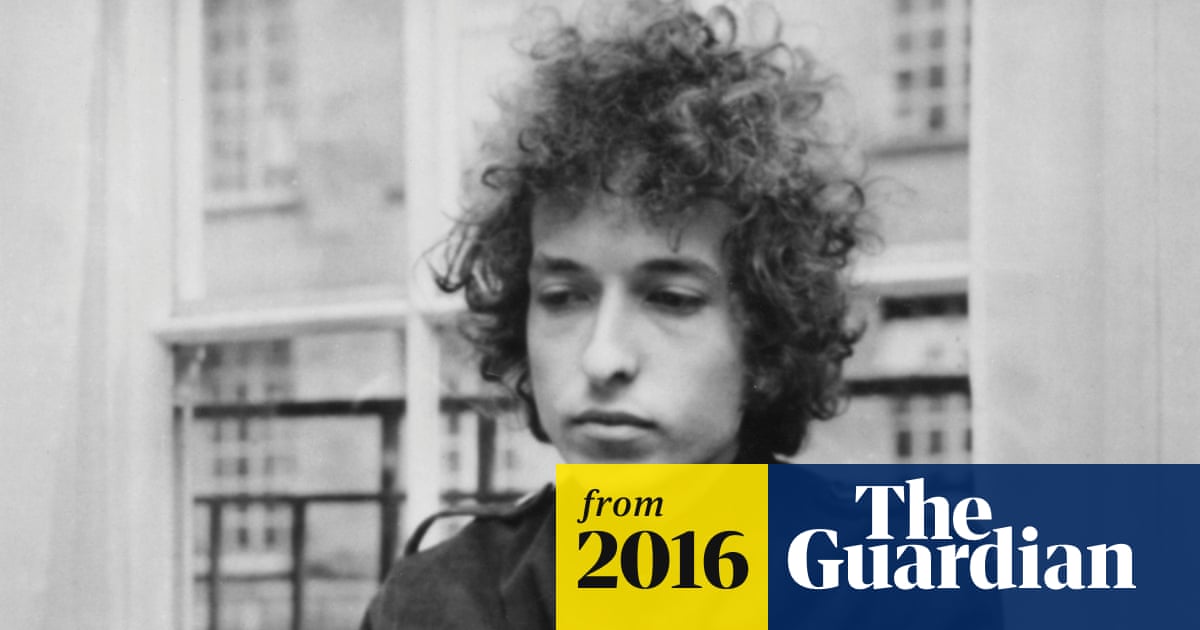
Can a songwriter win the Nobel Prize in Literature? When the Swedish Academy answered that question with a definitive “yes” in 2016, the cultural world didn’t quietly accept the verdict. It erupted.
Bob Dylan’s Nobel Prize win remains, a decade on, one of the most debated decisions in the award’s history — and arguably one of the most polarizing moments in modern music culture. The controversy wasn’t just about Dylan himself. It was about what the prize is supposed to mean, who gets to define literature, and whether a song lyric and a poem can ever truly occupy the same space.
Bob Dylan winning a Nobel in Literature is like Mrs Fields being awarded 3 Michelin stars. This is almost as silly as Winston Churchill.
— Rabih Alameddine (@rabihalameddine) October 13, 2016
Those questions haven’t gone away. If anything, time has made them sharper.
Why Bob Dylan’s Nobel Prize Win Still Divides People
The Nobel Committee’s decision was immediately described as radical and divisive. Critics and fans alike found themselves debating something that had rarely been put so bluntly before: what exactly counts as literature, and does music have the power to dilute the strength of literary devices?
For some, honoring Dylan was a long-overdue acknowledgment that words set to music can carry just as much weight — intellectually, emotionally, culturally — as words printed on a page. For others, it felt like a category error. Like awarding an architecture prize to someone who builds extraordinary sandcastles. Impressive, yes. But is it really the same thing?
The discomfort ran deeper than snobbery. It touched on a tension that has existed for centuries between what critics have long called “high” and “low” art — and Dylan’s work sits at a genuinely unique crossroads of both. He drew inspiration from blues legends like Muddy Waters while equally absorbing the influence of literary icons such as Herman Melville. That dual inheritance is precisely what made him such a charged choice, and such a fascinating one.
The Case For Dylan — and the Case Against
Those who supported the decision pointed to Dylan’s extraordinary body of work as evidence that the boundary between music and literature was always artificial. His lyrics have been studied in university English departments for decades. Lines from songs like “Blowin’ in the Wind” and “The Times They Are a-Changin'” entered the cultural vocabulary in ways that rival the most celebrated poetry of the twentieth century.
Critics of the decision, however, argued that the Nobel Prize in Literature carries a specific meaning — one tied to the written word in a particular form. Awarding it to a musician, however gifted, risked blurring a distinction they felt mattered. The concern wasn’t that Dylan was untalented. It was that the prize was being used to make a cultural statement rather than a literary judgment.
There was also the question of Dylan’s own response. His initial silence after the announcement was widely noted and widely interpreted — variously as artistic cool, genuine indifference, or mild contempt. He eventually accepted the prize but did not attend the ceremony in Stockholm, citing prior commitments.
What the Debate Really Reveals About Art and Prestige
Beneath the arguments about eligibility, the Dylan controversy exposed something more uncomfortable: the way cultural institutions decide what counts as worthy, and who gets to make that call.
The Nobel Prize in Literature carries enormous prestige. It shapes how writers are read, how careers are remembered, and how entire traditions are validated or overlooked. When the Swedish Academy chose Dylan, it was — intentionally or not — making a statement about the evolving definition of literature itself. That statement landed differently depending on where you stood.
Traditionalists saw it as an institution abandoning its own standards under pressure to appear relevant. Progressives saw it as an overdue correction — a recognition that the gatekeepers of “serious” art had for too long excluded forms that millions of people actually engaged with deeply and meaningfully.
Neither side has fully convinced the other. That’s part of why the debate persists.
A Snapshot of the Controversy: Key Points at a Glance
| Element | Detail |
|---|---|
| Award | Nobel Prize in Literature |
| Recipient | Bob Dylan |
| Year awarded | 2016 |
| Primary controversy | Whether song lyrics qualify as literature |
| Dylan’s noted influences | Blues legend Muddy Waters; literary icon Herman Melville |
| Dylan’s response to the award | Did not attend the Stockholm ceremony |
| Broader tension exposed | High art vs. low art; tradition vs. evolution in cultural prestige |
Why This Still Matters Ten Years Later
The Dylan Nobel debate isn’t a historical curiosity. It speaks directly to conversations happening right now about how culture is valued, who gets institutional recognition, and whether the frameworks built around “serious” art are fit for purpose in a world where the lines between forms have always been blurrier than critics wanted to admit.
Music has always carried narrative, emotion, and language. Folk traditions, blues, protest songs — these were literature for communities who didn’t have access to the printed page in the same way. Dismissing them as lesser because they come with a melody has never been a neutral act. It’s a class judgment dressed up as an aesthetic one.
That doesn’t mean every argument in Dylan’s favor is airtight. There are genuine questions about whether prizes designed for one art form should be stretched to accommodate another — and whether doing so ultimately serves either form well. But those questions deserve honest engagement, not reflexive dismissal in either direction.
A decade on, the Swedish Academy’s decision still prompts exactly that kind of engagement. Which might, depending on your perspective, be the strongest argument that they got something right.
Frequently Asked Questions
When did Bob Dylan win the Nobel Prize in Literature?
Bob Dylan was awarded the Nobel Prize in Literature in 2016, a decision that sparked immediate and widespread debate about the boundaries of literature.
Why was Bob Dylan’s Nobel Prize so controversial?
The core controversy centered on whether song lyrics qualify as literature, and whether awarding the prize to a musician diluted the strength of literary devices and the prestige of the award itself.
Did Bob Dylan attend the Nobel Prize ceremony?
Dylan did not attend the Nobel Prize ceremony in Stockholm, citing prior commitments, though he eventually accepted the award.
What artistic influences shaped Bob Dylan’s work?
According to
What broader cultural debate did Dylan’s Nobel Prize expose?
The decision highlighted a long-running tension between so-called high and low art, and raised questions about how cultural institutions define what counts as worthy of serious recognition.
Is the debate about Dylan’s Nobel Prize still ongoing?
Yes — even a decade later, the controversy continues to surface, reflecting deep and unresolved disagreements about tradition, evolution, and the definition of literature itself.



Leave a Reply