
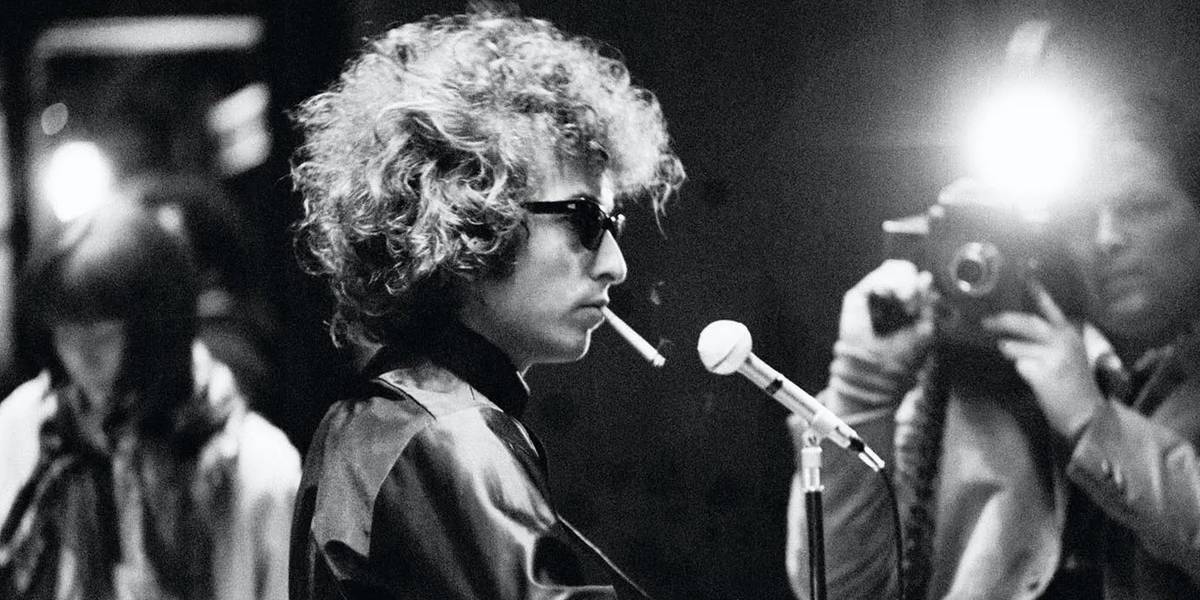
When Bob Dylan calls your songwriting exceptional, that’s not a compliment you brush off. Dylan — the man who essentially redefined what a pop song could say and how it could say it — has spent decades being selective about who earns his genuine admiration. So when a 1974 song caught his attention and drew his praise, it meant something real.
What makes the story even more striking is that the song in question wasn’t a hit when it came out. It didn’t storm the charts. It didn’t get the radio saturation that turns a track into a cultural landmark overnight. And yet, decades later, it’s recognized as a classic — in large part because artists like Dylan understood its worth long before mainstream audiences caught up.
This is a story about a song that arrived quietly, got passed over commercially, and still managed to earn the respect of one of the greatest songwriters who ever lived.
Why Bob Dylan’s Opinion on Songwriting Actually Matters
Dylan isn’t the kind of artist who hands out compliments for publicity. His reputation was built on lyricism that borrowed from folk tradition, beat poetry, and American mythology — and he’s always held songwriting to a high standard because of it. When he recognizes craft in another writer’s work, it tends to reflect a genuine response to something technically and emotionally impressive.
Throughout his career, Dylan has acknowledged a relatively small circle of contemporaries and peers whose writing he considers genuinely exceptional. Being included in that circle carries weight precisely because the praise is rare. It signals not just that a song is catchy or well-produced, but that it does something meaningful with language, structure, and emotional truth.
That context is what makes the story of this overlooked 1974 track so compelling. It wasn’t written for commercial approval. And the commercial world, at least initially, returned the favor by largely ignoring it.
A 1974 Song That the Charts Forgot — Until They Didn’t
The music landscape of 1974 was crowded and competitive. Rock, soul, and pop were all fighting for the same airspace, and a song that didn’t fit neatly into a radio-friendly format could easily get lost. Many songs from that era that are now considered classics had exactly that experience — released, overlooked, and only later reassessed as the culture caught up to what the artist had actually made.
The song at the center of this story followed that arc. On its initial release, it didn’t perform in the way that labels and radio programmers measured success at the time. It wasn’t the breakout moment its creators might have hoped for. But the songwriting itself — the craft underneath the commercial packaging — was something else entirely.
That’s what Dylan recognized. Not the production, not the promotion, not the chart position. The writing.
What Sets Exceptional Songwriting Apart
It’s worth pausing on what “exceptional songwriting” actually means when Dylan uses the term. In the context of his own work, Dylan has always prioritized the word — the way a lyric lands, the images it creates, the emotional logic it follows even when the surface meaning seems oblique.
Songs that earn that kind of praise tend to share certain qualities:
- Lyrics that reward repeated listening — lines that reveal new meaning over time
- A structural honesty, where the form of the song matches what it’s trying to say
- Emotional specificity rather than generic sentiment
- A voice that feels distinct and impossible to mistake for anyone else
- A willingness to take risks with language rather than defaulting to familiar phrases
A song that checks those boxes doesn’t need a top-ten chart position to matter. It needs time — and occasionally, it needs someone with credibility to point at it and say: this is worth your attention.
The Gap Between Commercial Success and Artistic Recognition
Music history is full of songs and albums that were misunderstood or undervalued on release. The commercial metrics of any given era reflect what radio programmers, label executives, and mass audiences are ready for at that moment — not necessarily what will endure.
| Factor | Commercial Success | Artistic Recognition |
|---|---|---|
| Measured by | Chart position, sales, radio play | Peer praise, critical reassessment, lasting influence |
| Timeline | Immediate — weeks after release | Often years or decades later |
| Who decides | Mass audiences and radio gatekeepers | Fellow artists, critics, and cultural memory |
| What it reflects | What people are ready for now | What the work actually achieved |
The 1974 song in question landed in that second column — recognized not by the market, but by the kind of artist whose own work has stood the test of time. That’s a different kind of validation, and in many ways a more durable one.
Why Songs Like This One Still Resonate Decades Later
There’s something almost reassuring about the story of a song that didn’t chart but earned Dylan’s respect. It suggests that commercial failure at the moment of release isn’t the final word on a piece of work. Songs can wait. Great writing has a way of finding its audience eventually — sometimes through cover versions, sometimes through film and television, sometimes simply through word of mouth passed between people who care about the craft.
Dylan’s praise, whether it came immediately after the song’s release or years later, functions as exactly that kind of transmission. One serious artist pointing another generation of listeners toward something they might have missed.
The 1974 landscape produced a lot of music that sounded like its moment and then faded with it. The songs that survived — the ones still being discussed and praised fifty years on — tended to be the ones that were written with enough care and intention to outlast the era that produced them.
Frequently Asked Questions
Did the 1974 song ever become a commercial hit after its initial release?
What exactly did Bob Dylan say about the song’s songwriting?
The source indicates Dylan praised the song for exceptional songwriting, though the specific wording of his comments is not fully detailed in the available source material.
Who wrote the 1974 song that Dylan praised?
The specific artist and songwriter behind the track are referenced in the original source article, but the full details were not available in the excerpt provided for this report.
Why do some critically praised songs fail commercially on release?
Songs that prioritize lyrical depth and structural originality don’t always fit the radio-friendly formats that drive immediate commercial success — a gap that music history has documented many times over.
Is Bob Dylan known for publicly praising other artists’ songwriting?
Dylan has a reputation for being selective with praise, which is part of why his recognition of another songwriter’s work is considered meaningful within the music community.
Has this song influenced other artists since its release?
This has not been confirmed in the available source material, though songs that earn lasting critical recognition often go on to influence subsequent generations of writers and performers.



Leave a Reply