
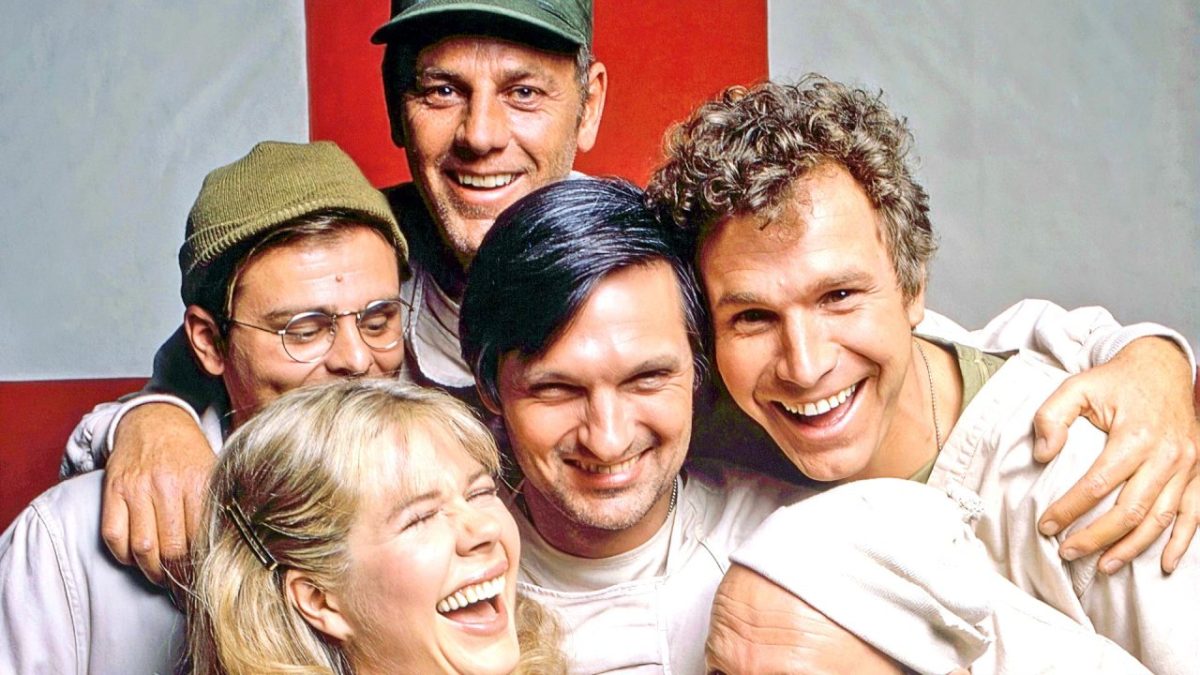
There are television episodes, and then there are television episodes that permanently alter what the medium is capable of. The 1975 episode of M*A*S*H titled “Abyssinia, Henry” is firmly in the second category — a moment so unexpected, so emotionally raw, that it left audiences and critics genuinely stunned at what a sitcom had just done.
Fifty-one years later, that single half-hour of television still gets talked about as a turning point — not just for M*A*S*H, but for the entire history of American comedy on television. And understanding why requires looking at exactly what happened, and why it hit so hard.
What Made “Abyssinia, Henry” So Different From Everything Else on TV
M*A*S*H was already a critically respected show by the time its third season wrapped in 1975. Based on the 1970 Robert Altman film — itself adapted from Richard Hooker’s novel — the series followed a group of Army surgeons stationed at a Mobile Army Surgical Hospital during the Korean War. It blended sharp comedy with genuine anti-war sentiment, which was unusual enough for network television at the time.
But “Abyssinia, Henry” went somewhere the show — and frankly, almost any sitcom before it — had never gone. Colonel Henry Blake, played by McLean Stevenson, was being written off the show. His character received his discharge papers and was heading home. The cast said goodbye. The studio audience laughed and cheered. Everything pointed toward a warm, conventional farewell.
Then, in the final moments, Radar walks into the operating room and reads a message aloud: Henry Blake’s plane had been shot down over the Sea of Japan. There were no survivors.
That was it. No reversal. No miraculous rescue. The character was simply gone.
Why the Death of Henry Blake Changed Television History
The reason this moment landed with such force — and why it still resonates — comes down to a few specific decisions the creative team made. The cast reportedly did not know about the ending until they filmed it. The reactions viewers saw on screen were genuine shock and grief from the actors themselves. That authenticity transferred directly through the screen.
Before this episode, sitcoms operated on an unspoken contract with their audiences: consequences were temporary, the world reset between episodes, and death — real, permanent, irreversible death — simply did not happen to main characters. M*A*S*H broke that contract without warning.
It also did something structurally radical. The death was not dramatized. There was no scene of a crash, no heroic final moment. A piece of paper was read aloud in a room full of people holding surgical instruments, and that was the entire weight of it. The mundane delivery of devastating news — which is, of course, how death actually arrives — made it more affecting than any elaborate death scene could have been.
The Show M*A*S*H Became After That Episode
M*A*S*H ran for eleven seasons, from 1972 to 1983, and its finale — “Goodbye, Farewell and Amen” — drew approximately 106 million viewers, a record for a scripted series finale that stood for decades. The show won numerous Emmy Awards across its run and is routinely cited among the greatest television series ever made.
But the show’s identity — its willingness to be genuinely tragic inside a comedic framework — was cemented by what happened in that Season 3 finale. The series earned the right to be taken seriously as drama precisely because it proved it would not protect its characters from the reality it was depicting.
| Detail | Information |
|---|---|
| Episode title | “Abyssinia, Henry” |
| Season | Season 3 finale |
| Year aired | 1975 |
| Character written off | Colonel Henry Blake |
| Actor | McLean Stevenson |
| Show’s total run | 1972–1983 (11 seasons) |
| Series finale viewership | Approximately 106 million viewers |
What This Moment Still Means for Television Today
Every prestige drama that kills off a beloved main character — every moment that makes a viewer genuinely uncertain whether anyone is safe — owes something to what M*A*S*H did in 1975. The idea that a television series can be a space where real stakes exist, where the story is not guaranteed to protect the people you’ve grown to love, did not come from nowhere.
It also reframed what comedy could carry. M*A*S*H demonstrated that humor and grief are not opposites — that a show can make you laugh in one scene and devastate you in the next, and that doing both honestly is more true to human experience than doing only one.
Fifty-one years on, “Abyssinia, Henry” remains one of the most discussed and studied episodes in television history. For anyone who wants to understand how American TV grew up — how it learned to treat its audience as adults capable of handling real loss — this is one of the clearest places to start.
Frequently Asked Questions
What happens in the M*A*S*H episode “Abyssinia, Henry”?
Colonel Henry Blake receives his discharge papers and prepares to go home, but in the episode’s final moments, Radar reads a message revealing that Henry’s plane was shot down over the Sea of Japan with no survivors.
When did “Abyssinia, Henry” air?
The episode aired in 1975 as the Season 3 finale of M*A*S*H.
Who played Colonel Henry Blake on M*A*S*H?
Colonel Henry Blake was played by actor McLean Stevenson.
How many people watched the M*A*S*H series finale?
The series finale, “Goodbye, Farewell and Amen,” drew approximately 106 million viewers, a record for a scripted series finale that stood for many years.
How long did M*A*S*H run on television?
M*A*S*H ran for eleven seasons, from 1972 to 1983, significantly outlasting the Korean War it was set during.
Why is “Abyssinia, Henry” considered historically significant?
The episode is widely credited with proving that a sitcom could carry genuine dramatic weight and real consequences, helping establish that television comedy did not have to protect its characters from permanent loss.



Leave a Reply