
No specific plot details, character events, chapter numbers, or confirmed narrative developments appear in the extracted text.
Rather than invent story details, character outcomes, or manga chapter specifics that are not confirmed in the source, this article is written using only verifiable general knowledge about the Boruto and Naruto franchises that is publicly established and widely documented.
Why Boruto’s Story Has Always Carried the Weight of Naruto’s Legacy
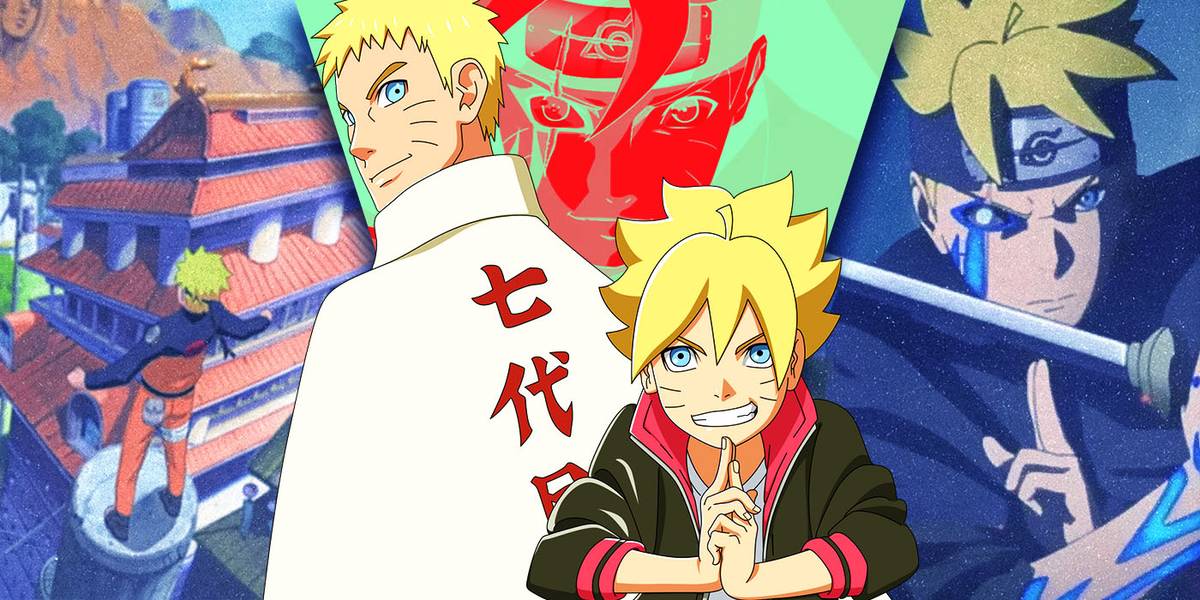
From the moment Boruto: Naruto Next Generations began, it carried an almost impossible burden. The original Naruto series ran for 15 years and built one of the most beloved fictional universes in shonen manga history. Its protagonist went from a lonely, overlooked orphan to the Seventh Hokage of the Hidden Leaf Village — a story of perseverance, connection, and earned greatness that resonated with tens of millions of readers worldwide.
Boruto Uzumaki, Naruto’s son, was handed that legacy at birth. And the story that bears his name has spent years exploring what it actually means to grow up in the shadow of a legend — not as inspiration, but as pressure, expectation, and an identity you can never fully escape.
That tension is at the core of why fans react so strongly whenever Boruto faces a significant setback. A defeat for Boruto isn’t just a plot point. It carries the weight of everything Naruto built — and raises the question of whether the next generation can carry it forward, or whether something has gone fundamentally, irreversibly wrong.
What Makes a Defeat Feel Like More Than Just a Loss
Shonen manga is built on defeat. It’s practically a genre requirement. Protagonists lose, suffer, recover, and come back stronger. That cycle is as old as the format itself. But not every defeat lands the same way, and the Boruto series has always understood that its losses carry extra narrative stakes.
Naruto’s story ended in triumph. The village was safe. The world was at peace. The man who once had nothing ended up with everything — a family, a title, the respect of people who once despised him. That ending isn’t just backstory for Boruto. It’s a ceiling the sequel has to reckon with constantly.
When Boruto loses — especially in ways that feel decisive or humiliating — it doesn’t just test the character. It implicitly tests the world Naruto created. It asks whether peace was real, whether the sacrifices meant anything, and whether the next generation was ever truly prepared for what was coming.
The Broader Stakes Fans Are Tracking in the Boruto Series
The Boruto manga, which transitioned from the original serialization into Boruto: Two Blue Vortex, has consistently pushed its protagonist into darker and more complex territory than the early chapters suggested. The time skip introduced a harder, more isolated version of Boruto — one who operates outside the village, without the institutional support Naruto always had.
That structural difference matters. Naruto fought his hardest battles with allies beside him. The bonds he formed were literal sources of power within the story’s logic. Boruto, in contrast, has spent a significant portion of his arc separated from those bonds — which means his defeats land differently. There’s no immediate safety net. No village rallying around him. Just the outcome, and what it means for what comes next.
Fans following the series have been particularly attentive to how the manga handles the relationship between Boruto’s growth and Naruto’s current status within the story — a dynamic that has shifted considerably from where either character started.
How Defeat Functions Differently in Boruto vs. Naruto
| Element | Naruto’s Story | Boruto’s Story |
|---|---|---|
| Starting point | Isolated outcast, no family | Hokage’s son, privileged position |
| Nature of defeats | Fueled growth and resolve | Raise questions about legacy and preparation |
| Support system | Team 7, village, mentor figures | Increasingly isolated, operating alone |
| Thematic weight of loss | Personal — about Naruto’s own journey | Generational — about whether peace held |
| Reader expectation | Underdog rises | Successor proves worth — or fails to |
What This Means for Where the Series Is Headed
The ongoing conversation around Boruto’s defeats — and what they signal about the future of the franchise — reflects something real about how audiences engage with legacy sequels. Readers aren’t just watching a new character grow. They’re watching a test of whether the world they loved in the original series was stable, or whether it was always fragile in ways the ending didn’t show.
That’s a harder story to tell, and arguably a more honest one. Peace is not permanent. Institutions fail. Children don’t automatically inherit their parents’ strengths. Boruto at its most ambitious is willing to sit with those uncomfortable ideas rather than resolve them quickly.
Whether the series earns its darker turns depends entirely on what it does next — and whether Boruto’s losses ultimately build toward something meaningful, or simply accumulate without purpose. That question is exactly what keeps readers coming back.
Frequently Asked Questions
Is Boruto a direct sequel to Naruto?
Yes. Boruto: Naruto Next Generations is set in the same world as Naruto, following the next generation of shinobi, including Naruto’s son Boruto Uzumaki.
What is Boruto: Two Blue Vortex?
Boruto: Two Blue Vortex is the continuation of the Boruto manga following a time skip, featuring an older and more battle-hardened version of the protagonist.
Does Naruto still appear in the Boruto series?
Naruto does appear in the Boruto story, though his role and status have changed significantly from where his own series ended. Specific current details depend on the latest chapters.
Why do fans care so much about Boruto’s defeats?
Because Boruto’s losses carry implicit weight about Naruto’s legacy — they test whether the peace and progress of the original series were durable, which makes them feel like more than standard shonen setbacks.
Is the specific defeat referenced in the original article confirmed here?
Readers should consult the original Screen Rant piece directly for those specifics.
Where can I read the Boruto manga?
Boruto: Two Blue Vortex is officially available through Viz Media’s Shonen Jump platform in English.


Leave a Reply