
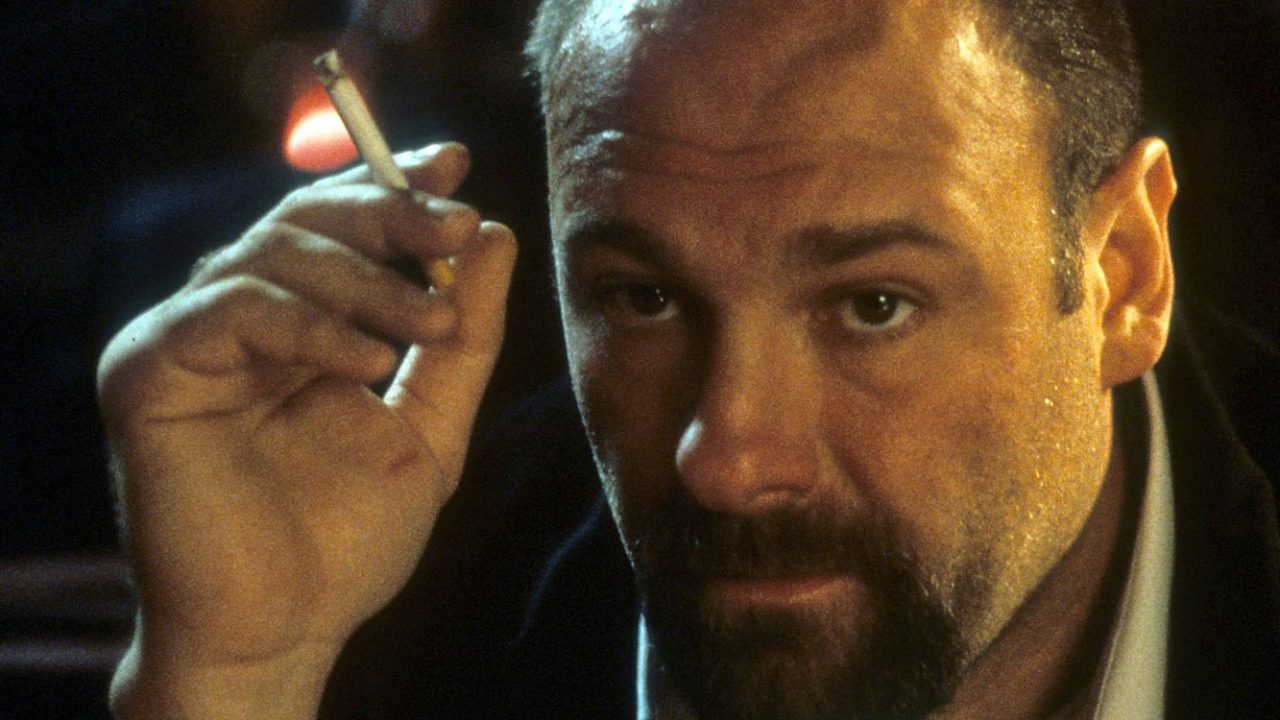
What happens when Hollywood assembles two of its biggest stars at the peak of their fame and the result lands with a quiet thud? That’s the curious case of The Mexican, the 2001 film that paired Brad Pitt and Julia Roberts — two of the most bankable names in the industry at the time — under the direction of Gore Verbinski, and somehow failed to ignite the kind of cultural moment everyone expected.
It’s the kind of story that gets more interesting with distance. On paper, the project looked bulletproof. In practice, it became one of Hollywood’s more puzzling misfires — a film remembered less for what it achieved and more for what it squandered.
Gore Verbinski has built one of the stranger directorial careers in modern Hollywood, and The Mexican sits as an early, telling chapter in that story.
The Setup That Should Have Been Foolproof
By 2001, Brad Pitt was coming off films like Fight Club and Snatch, cementing his reputation as one of the most versatile actors of his generation. Julia Roberts had just won an Academy Award for Erin Brockovich the previous year. Putting them together in a film felt less like a gamble and more like a guaranteed event.
Verbinski, for his part, was a director with genuine visual instincts and an ability to handle tonal variety — qualities that would later serve him well on the first Pirates of the Caribbean film and the American remake of The Ring. He wasn’t an unknown quantity. He was a filmmaker on the rise.
And yet, despite all of that, The Mexican failed to connect with audiences and critics in the way its pedigree suggested it should. The reasons are worth examining, because they reveal something about how star power alone can’t save a film when the fundamental elements aren’t working together.
What Gore Verbinski’s Career Actually Looks Like
Verbinski’s filmography is genuinely unusual by Hollywood standards. Few directors have moved between genres as freely — or as unpredictably — as he has. His resume includes a horror remake, a massively successful pirate franchise, an animated Western that won an Academy Award, and a psychological thriller that divided audiences sharply.
That range is both his greatest strength and the thing that makes him difficult to pin down as a filmmaker. The Mexican fits neatly into the pattern: a project with an unconventional tonal mix that didn’t quite find its audience.
| Film | Year | Genre | Notable Outcome |
|---|---|---|---|
| The Mexican | 2001 | Crime/Comedy | Mixed reception despite major stars |
| The Ring | 2002 | Horror | Major commercial and critical success |
| Pirates of the Caribbean: The Curse of the Black Pearl | 2003 | Action/Adventure | Launched a major franchise |
| Rango | 2011 | Animated Western | Won Academy Award for Best Animated Feature |
| A Cure for Wellness | 2016 | Psychological Thriller | Divisive response from audiences and critics |
Why The Mexican Didn’t Work — And Why That Still Matters
The core problem with The Mexican wasn’t a lack of talent. It was a mismatch between expectation and execution. Audiences who showed up expecting a classic romantic comedy pairing — Pitt and Roberts trading witty lines and falling deeper in love — found something considerably more uneven.
The film kept its two leads largely separated for much of its runtime, which undercut the very premise that was being sold in every trailer and on every poster. When your marketing campaign is built entirely around the chemistry between two megastars, spending the movie keeping them apart is a significant structural gamble.
Critics noticed. Audiences felt it. The film wasn’t a disaster in the traditional sense — it made money — but it never became the cultural touchstone it was positioned to be. In a career built on swinging for unusual targets, this was one of Verbinski’s earliest lessons in how difficult it is to balance tone when the expectations are this high.
The Broader Pattern in Verbinski’s Work
What makes The Mexican worth revisiting now is what it tells us about Verbinski as a filmmaker. He has never been particularly interested in giving audiences exactly what they came for. Even his most commercially successful films — the first Pirates of the Caribbean, Rango — contain stranger, darker edges than their marketing suggested.
That instinct serves him brilliantly in the right context. It made Rango genuinely surprising for an animated film. It gave The Ring a cold, unsettling atmosphere that outlasted the genre trend it was part of. But in The Mexican, that same instinct worked against him, because the film was packaged as something warmer and more straightforward than it actually was.
The gap between what was promised and what was delivered is ultimately what audiences rejected — not the film itself, necessarily, but the version of it they had been led to expect.
What This Film’s Legacy Says About Star Power in Hollywood
There’s a persistent myth in the film industry that the right combination of stars can overcome almost any structural problem. The Mexican is a useful counterargument. Brad Pitt and Julia Roberts, at the literal height of their popularity, couldn’t compensate for a film that wasn’t sure what it wanted to be.
That lesson hasn’t stopped Hollywood from trying the same formula repeatedly. But it does suggest that casting is only one piece of a much larger puzzle — and that even the most recognizable faces in the world can’t manufacture the kind of magic that comes from a story working on every level simultaneously.
Verbinski went on to bigger and more celebrated work after The Mexican. Pitt and Roberts both continued careers that needed no rescue. But the film remains a fascinating artifact of a moment when everything aligned perfectly on the surface, and the result still didn’t quite come together.
Frequently Asked Questions
Who directed The Mexican?
The Mexican was directed by Gore Verbinski, who later went on to direct The Ring, Pirates of the Caribbean: The Curse of the Black Pearl, and the Academy Award-winning animated film Rango.
When was The Mexican released?
The Mexican was released in 2001, at a time when both Brad Pitt and Julia Roberts were among the most prominent stars in Hollywood.
Why did The Mexican receive mixed reviews?
Critics and audiences largely felt the film failed to deliver on the promise of its star pairing, keeping Pitt and Roberts separated for much of the runtime rather than building on the chemistry the marketing emphasized.
What other films has Gore Verbinski directed?
Verbinski’s notable films include The Ring (2002), Pirates of the Caribbean: The Curse of the Black Pearl (2003), Rango (2011), and A Cure for Wellness (2016).
Did The Mexican make money at the box office?
The film was not a financial disaster, but it did not achieve the cultural impact its star power suggested it should, and it is generally regarded as one of the weaker entries in both stars’ filmographies from that era.
What was Julia Roberts’ career status when The Mexican was made?
Julia Roberts had just won the Academy Award for Best Actress for Erin Brockovich the year before The Mexican was released, placing her at one of the highest points of her career at the time.




Leave a Reply