

What happens when one of the world’s biggest music acts announces a global comeback tour? Apparently, the entire international travel industry starts paying close attention. The return of BTS in 2026 is generating what analysts are describing as a significant surge in concert-driven travel demand — and the ripple effects are being felt far beyond the concert halls themselves.
Airlines, hotels, and tourism boards are all tracking a sharp uptick in bookings tied directly to BTS concert schedules. Fans are not just buying tickets to shows. They are planning full international trips around them, crossing borders, booking flights weeks in advance, and turning what would otherwise be a single evening’s entertainment into multi-day travel experiences.
This is not a new phenomenon in the K-pop world, but the scale being observed in 2026 appears to be something different. The BTS global tour is functioning less like a concert series and more like a tourism infrastructure event — one with real economic consequences for the cities involved.
Why the BTS Global Tour Is Reshaping Travel Demand in 2026
For decades, tourism economists have tracked what they call “event-driven travel” — the tendency for major sporting events, festivals, or concerts to pull visitors into cities who would not otherwise have come. What is happening with BTS in 2026 fits that model, but at a scale that is prompting a rethink of how the industry forecasts demand.
Millions of international fans are planning cross-border trips specifically around concert schedules. This is not casual tourism. These are deliberate, often expensive journeys — flights booked months in advance, hotel rooms secured before tour dates are even officially confirmed, and entire itineraries built around a single anchor event.
The aviation sector is registering this directly. Flight bookings to tour host cities are spiking in patterns that correlate closely with announced or rumored concert dates. Hotels in those same cities are reporting elevated occupancy rates during tour windows. City tourism planners are factoring BTS-related arrivals into their broader projections for the year.
What makes this particularly notable is the geographic spread. A global tour means this demand surge is not concentrated in one region. It is distributed across multiple continents, activating travel markets simultaneously in ways that a single-country or single-region tour simply cannot replicate.
The Numbers Behind Concert-Led Travel
The key sectors being affected include:
- Aviation: Airlines are seeing demand spikes on routes serving confirmed or anticipated tour cities, with fans booking well ahead of standard travel windows.
- Hospitality: Hotels in tour host cities are experiencing elevated occupancy during concert periods, with premium properties filling faster than typical seasonal trends would predict.
- City tourism planning: Local tourism boards are actively monitoring BTS-related arrivals and incorporating them into destination marketing strategies.
- Ancillary spending: Concert-driven visitors tend to spend beyond the ticket itself — on dining, merchandise, local attractions, and extended stays.
| Sector | Observed Impact | Nature of Change |
|---|---|---|
| Aviation | Sharp rise in international bookings | Demand spike tied to tour schedule announcements |
| Hotels | Elevated occupancy in tour cities | Bookings outpacing normal seasonal patterns |
| City Tourism | Active planning adjustments | Boards integrating concert arrivals into projections |
| Retail and Dining | Increased ancillary visitor spending | Extended stays driving broader local economic activity |
What This Means for Fans and Travelers Planning Around the Tour
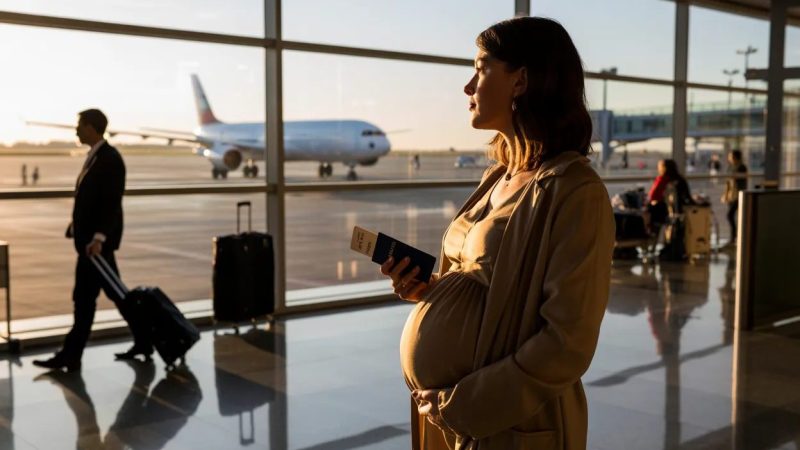
If you are one of the millions of fans considering a trip built around a BTS concert date, the practical reality of 2026’s tour boom is worth understanding clearly. Demand is high, and it is arriving early.
Hotels near venue cities are filling up faster than in typical travel seasons. Flight prices on routes serving tour locations are reflecting the surge in interest. Anyone planning to travel for a concert date is likely to find better availability — and better prices — by booking sooner rather than waiting.
Beyond the logistics, this travel trend also reflects something broader about how a generation of fans engages with music. Streaming a concert is not a substitute for the experience. For millions of BTS fans, attending a live show is a destination event — something worth flying across an ocean to experience in person.
Tourism boards in host cities are increasingly aware of this. Some are actively designing welcome programs, fan experience infrastructure, and local event tie-ins to capture the spending of concert visitors who arrive early or stay late.
Where This Is All Heading
The BTS global tour boom of 2026 is being watched closely by the travel industry as a potential indicator of how large-scale entertainment events will shape tourism economics going forward. If the patterns hold, the model of experience-driven international travel — where a concert or performance is the primary reason for crossing a border — is likely to become a more central part of how destinations compete for visitors.
For the cities hosting tour stops, the incentive to position themselves as fan-friendly destinations is clear. The economic case for investing in concert infrastructure, fan experience programming, and hospitality capacity tied to major global tours is being made in real time by the data coming out of 2026.
And for BTS themselves, the scale of this travel response is a measure of something that goes well beyond ticket sales. It reflects the depth of a global fanbase willing to invest significant time, money, and effort to be present in the same room as the artists they follow — and that kind of loyalty is increasingly rare in an era of digital consumption.
Frequently Asked Questions
What is driving the travel surge connected to the BTS global tour in 2026?
Millions of international fans are planning cross-border trips built specifically around BTS concert dates, creating significant demand in aviation, hospitality, and city tourism sectors.
Which industries are most affected by the BTS concert travel boom?
Airlines, hotels, and city tourism boards are all tracking elevated demand directly tied to BTS tour schedules, with notable effects on flight bookings and hotel occupancy in host cities.
Are cities actively planning for the influx of BTS concert visitors?
Yes, tourism boards in tour host cities are incorporating BTS-related arrivals into their broader 2026 tourism projections and planning accordingly.
Is concert-driven international travel a new phenomenon?
Event-driven travel has existed for decades, but the scale of demand generated by the BTS 2026 global tour is prompting analysts to reconsider how the industry forecasts and responds to this type of travel.
What should fans know before booking travel around a BTS concert date?
Given high early demand, flights and hotels near tour venues are filling faster than normal seasonal patterns — booking well in advance is strongly advisable.
Does the BTS tour impact only cities in South Korea?
No. As a global tour, the travel demand surge is distributed across multiple continents simultaneously, activating international travel markets well beyond South Korea.

Leave a Reply