
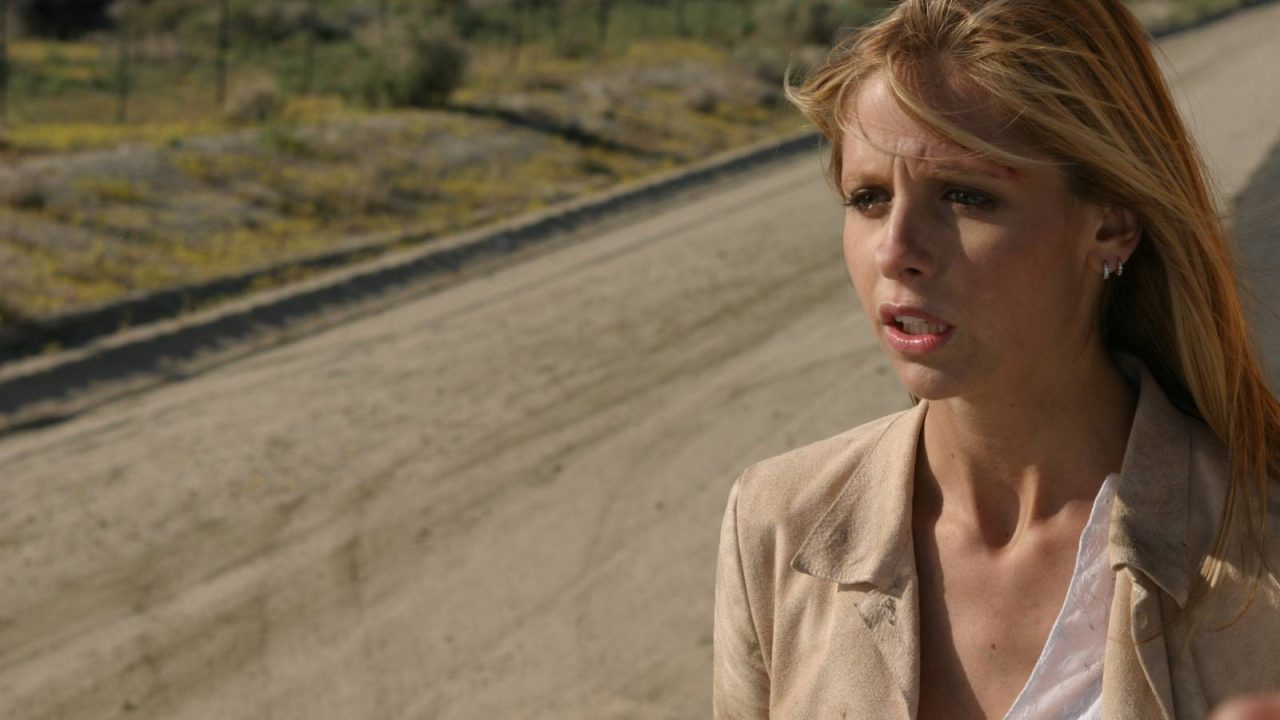
The planned Buffy the Vampire Slayer reboot has been cancelled — and depending on who you ask, that’s either a relief or a genuine loss for television. The controversy surrounding its development and ultimate cancellation has reignited one of the most enduring debates in pop culture: can a beloved classic be reimagined for a new generation, and should it be?
For fans of the original series, which ran from 1997 to 2003, the news lands with complicated emotions. The show wasn’t just a cult hit — it was a cultural landmark that reshaped how television told stories about young women, power, and identity. The reboot’s cancellation, mired in controversy from the start, raises a harder question than whether the show should come back. It raises the question of why it keeps feeling so necessary.
https://www.instagram.com/p/DV8k4KLNO-0/
https://www.instagram.com/p/DV7achKANUW/
Why the Buffy Reboot Was Controversial Before It Even Started
The reboot had been in various stages of development for years, and it never managed to escape the shadow of the original — or the real-world complications that surrounded it. Allegations against original series creator Joss Whedon, which emerged publicly in 2017 and intensified through 2021, fundamentally changed how many fans and industry insiders related to the franchise.
Those allegations — detailed by cast members including Charisma Carpenter and others — described a toxic working environment on set. For a show that built its identity around female empowerment, the accusations were particularly damaging. They made any conversation about a reboot inseparable from a reckoning with the original’s legacy.
That tension never resolved. And it followed every attempt to bring the franchise back to life.
What the Cancellation Actually Tells Us
Cancelling a reboot before it reaches screens isn’t unusual in Hollywood. Development is expensive, audiences are fragmented, and IP revivals carry enormous risk alongside their built-in recognition. But the Buffy reboot’s cancellation feels different because of what it represented — and what it failed to navigate.
The project struggled to answer a question that should have been its greatest strength: what does Buffy mean right now? The original series was radical for its time. A teenage girl as the hero. Monsters as metaphors for real adolescent trauma. Queer representation years before it was common on network television. The show did things that felt genuinely dangerous and new.
The challenge for any reboot is that the culture has moved. Some of what made Buffy groundbreaking has become standard. And some of what the show got wrong — in its representation, in its handling of certain characters, in the environment allegedly created behind the scenes — can’t simply be ignored in a modern retelling.
Critics of the reboot’s cancellation argue this is precisely why the show deserves another chance: to correct those failures and deliver the version of Buffy the original always aspired to be.
The Case for Why the Show Still Matters
Strip away the nostalgia and the behind-the-scenes controversy, and the core premise of Buffy the Vampire Slayer remains remarkably relevant. A young woman chosen against her will to fight evil, navigating the weight of expectation, community, and sacrifice — that’s not a dated concept. If anything, it maps onto conversations happening right now about burden, agency, and what society demands from women.
There’s also the question of audience. The generation that grew up watching Buffy on weeknight television is now in their 30s and 40s. Their children are the exact age the original characters were. A reboot done thoughtfully — one that engaged with the franchise’s complicated history honestly — could reach both groups simultaneously.
Supporters of a revival point to the fact that the mythology is rich enough to sustain new stories without retreading old ground. New Slayers. New Watchers. New monsters as metaphors for the specific anxieties of this decade. The blueprint exists. The question was always whether the right creative team could be assembled to use it.
What Stood Between the Reboot and Reality
| Challenge | Detail |
|---|---|
| Creator controversy | Allegations against Joss Whedon complicated any attempt to separate the franchise from its origins |
| Legacy expectations | The original series ran for seven seasons and built an intensely loyal fanbase with high standards |
| Shifting TV landscape | Streaming fragmentation makes it harder to build the shared cultural moment the original benefited from |
| Representation demands | Modern audiences expect more than the original delivered, raising the creative bar significantly |
| Development limbo | The reboot spent years in various stages of development without reaching production |
Each of these obstacles was surmountable on its own. Together, they created a project that couldn’t find firm footing — and ultimately didn’t survive long enough to try.
What Fans Are Left With — and What Comes Next
For the moment, the Buffy franchise exists in a kind of limbo. The original series remains available to stream, and its cultural influence is still felt across television — from the structure of genre shows to the way female protagonists are written and positioned.
But a limbo is not a conclusion. IP this valuable rarely stays dormant forever, and the appetite for a new version of the Slayer mythology hasn’t disappeared just because one attempt didn’t make it to air. The cancellation of this particular reboot is an ending — not necessarily the ending.
What the controversy surrounding its development and cancellation makes clear is that any future attempt will need to do more than trade on nostalgia. It will need to genuinely reckon with what the original got right, what it got wrong, and why those things still matter to the people who care about this story.
That’s a harder task than simply rebooting a successful show. But it’s also the only version of a Buffy revival that would be worth watching.
Frequently Asked Questions
Was the Buffy the Vampire Slayer reboot officially cancelled?
Yes, the planned reboot has been cancelled. The project spent years in development without reaching production before being shelved.
Why was the Buffy reboot so controversial?
The reboot was complicated by allegations of misconduct against original series creator Joss Whedon, which were detailed by cast members of the original show and made it difficult to separate the franchise from its troubled legacy.
Who made the allegations against Joss Whedon?
Cast members including Charisma Carpenter publicly described a toxic working environment on the original series. Multiple other individuals associated with Whedon’s projects also came forward with similar accounts.
Could a Buffy reboot still happen in the future?
Nothing has been confirmed, but valuable IP rarely stays dormant permanently. A future attempt would need to address the franchise’s complicated history more directly than previous efforts did.
When did the original Buffy the Vampire Slayer series air?
The original series ran from 1997 to 2003, spanning seven seasons on The WB and later UPN.
Is the original Buffy series still available to watch?
Yes, the original series remains available on streaming platforms, and its cultural influence continues to be felt across television.

Leave a Reply