
▶ Read transcript
Here’s what you need to know about Bulgaria’s growing place on the European tourism map. Bulgaria has built active tourism partnerships with more than eight countries, including Poland, Romania, Turkey, Germany, and Greece, creating a regional network that supporters say could fundamentally reshape how travelers think about Eastern Europe. The country’s geographic position is a genuine advantage — it sits at the crossroads of Eastern and Southeastern Europe, offering affordable Black Sea coastlines, ski resorts, and medieval cities at a fraction of the cost of Western alternatives. But skeptics have a fair point too. Government tourism agreements are easy to sign and hard to execute, and Bulgaria still faces real infrastructure gaps outside its major cities and resorts. Governance concerns also delayed its entry into the Schengen Area, which affects traveler confidence. So here’s your takeaway: if Bulgaria is on your travel radar, now is a smart time to go — before the crowds arrive and before the prices catch up.
What does it actually take to transform a country’s tourism industry from promising to extraordinary? Is it enough to have breathtaking Black Sea coastlines, medieval fortresses, and ski resorts that cost a fraction of their Alpine equivalents? Or does real, lasting growth require something bigger: a coordinated, multi-nation push that rewrites the rules of European travel?
Bulgaria is currently at the center of exactly that question. Over the past several years, a constellation of European nations, including Poland, Romania, Turkey, Germany, Greece, Ukraine, Serbia, and Italy, have deepened strategic tourism partnerships with the country. Advocates say this is a revolution. Skeptics say it is diplomatic theater dressed up as economic transformation.
The debate is worth having carefully, because the stakes are real.
The Case for a Genuine Tourism Revolution in Bulgaria
Bulgaria’s geographic position is almost unfairly advantageous. It sits at the crossroads of Eastern and Southeastern Europe, sharing borders with Romania, Serbia, Greece, and Turkey, while remaining a short flight or drive from Poland, Ukraine, and Italy. That proximity is not just a travel convenience. It is the structural foundation of a tourism ecosystem.
Supporters of the partnership model argue that coordinated regional investment in tourism infrastructure, shared marketing campaigns, and bilateral travel agreements create compounding returns. When Poland and Romania align on promoting Eastern European travel circuits, Bulgaria benefits as a natural stopover and destination. When Turkish tour operators build packages that include Sofia, Plovdiv, or the Rhodope Mountains, they unlock a market of tens of millions of travelers.
Cultural ties reinforce the geography. Bulgaria and Serbia share deep Slavic linguistic and Orthodox Christian heritage. Bulgaria and Greece share centuries of intertwined history along shared coastlines and mountain ranges. Bulgaria and Ukraine have overlapping diaspora communities and historical connections that translate into genuine travel demand, not just diplomatic goodwill.
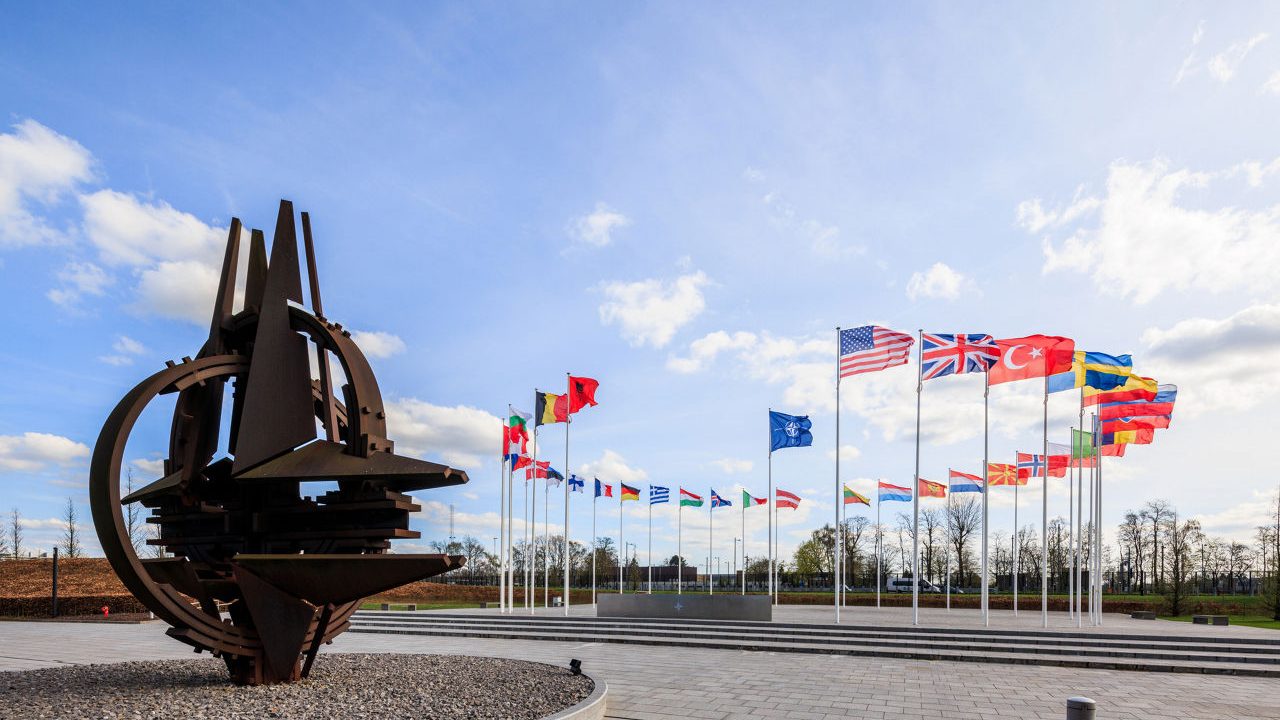
The trilateral framework between Poland, Romania, and Turkey, which has evolved since the early 2010s into a key diplomatic and strategic structure, provides a ready-made channel for tourism cooperation. This trilateral format was designed to bridge NATO’s eastern and southern flanks, but its economic and cultural dimensions have expanded well beyond security cooperation.
Germany and Italy bring something different to the table: wealthy, high-spending Western European travelers who are increasingly seeking alternatives to overcrowded and overpriced destinations. Bulgaria offers them exactly that. Airfare from Berlin or Rome to Sofia remains remarkably affordable, and once there, visitors find a country where their euros stretch significantly further than in Croatia, Spain, or Portugal.
Why Skeptics Say the Revolution Is Being Oversold
The counterargument is pointed and deserves serious attention. Tourism partnerships between governments are notoriously easy to announce and notoriously difficult to execute. Press releases and bilateral agreements do not automatically translate into hotel bookings, airport expansions, or the kind of sustained visitor growth that reshapes an economy.
Bulgaria has faced persistent structural challenges that no amount of diplomatic enthusiasm can paper over. Infrastructure gaps, particularly outside Sofia and the major Black Sea resorts, remain a genuine deterrent for travelers accustomed to Western European standards. Road quality, rail connectivity, and digital tourism services have lagged behind peer destinations.
Critics also note that the political relationships underpinning these tourism alliances are more complicated than the headlines suggest. The Romanian-Polish partnership is genuine and durable, but the broader regional architecture is under strain from geopolitical tensions, the ongoing war in Ukraine, and shifting alignments within the EU.
Poland’s support for Ukraine, Montenegro, Serbia, and Turkey’s EU aspirations, as documented by Poland’s EU policy positions, reflects a complex web of interests that do not always align neatly with tourism promotion. When diplomatic energy is consumed by security concerns and accession politics, tourism cooperation can quietly slide down the priority list.
There is also the question of competition. Bulgaria is not the only Eastern European country pitching itself as an affordable, culturally rich alternative to Western Europe. Romania, Serbia, and North Macedonia are all making similar arguments to similar audiences. The multi-nation partnership model could just as easily fragment into competition as coalesce into cooperation.
| Partner Country | Primary Tourism Driver | Key Advantage for Bulgaria |
|---|---|---|
| Poland | Trilateral diplomatic framework, EU alignment | Large outbound travel market, shared Slavic heritage |
| Romania | Geographic proximity, shared border | Cross-border travel circuits, Danube tourism |
| Turkey | Shared Black Sea coastline, historical ties | Large outbound tourism market, direct routes |
| Germany | High-spending Western European travelers | Affordability gap, direct flight connectivity |
| Greece | Cultural and historical overlap | Combined Balkans travel packages |
| Ukraine | Diaspora connections, historical ties | Post-conflict recovery travel demand |
| Serbia | Shared Slavic and Orthodox heritage | Regional land travel corridors |
| Italy | Cultural tourism appetite, affordability seeking | Emerging destination positioning |
What the Data Actually Shows About Bulgaria’s Tourism Trajectory
Setting aside the advocacy and the skepticism, the objective picture of Bulgaria’s tourism performance is genuinely encouraging, with important caveats.
Bulgaria has consistently ranked among Europe’s most affordable destinations for international travelers, a structural advantage that persists regardless of diplomatic arrangements. The Black Sea coast, anchored by resorts like Sunny Beach and Varna, draws millions of visitors annually, predominantly from Germany, Romania, Poland, and Russia historically. The shift toward a more diversified source market, including Turkey, Italy, and Greece, represents real progress in reducing dependence on any single visitor nationality.
| Country | Geographic Proximity to Bulgaria | Primary Tourism Draw | Partnership Strength | Avg. Annual Visitors to Bulgaria | Strategic Value |
|---|---|---|---|---|---|
| Poland | Medium – Northern Europe | Cultural & ski tourism | High | 320,000 | Large outbound travel market with growing interest in budget destinations |
| Romania | Very High – Shares border | Black Sea & cultural tourism | Very High | 1,200,000 | Closest neighbor with deep historical and economic ties |
| Turkey | Very High – Shares border | Beach & shopping tourism | High | 850,000 | Major regional power with overlapping Black Sea tourism interests |
| Germany | Medium – Central Europe | Heritage & wellness tourism | Medium | 410,000 | High-spending tourists seeking affordable European alternatives |
| Greece | High – Shares border | Coastal & cultural tourism | High | 560,000 | Complementary Mediterranean destination with shared Balkan identity |
“United in solidarity, our alliance has stood the test of time, proved its resilience and relevance. Sharing a vision of even stronger and meaningful strategic cooperation, Poland and Romania remain committed to the shared values and common interests.”
— Official Polish-Romanian partnership statement
The Poland-Romania bilateral relationship, which analysts describe as predating recent geopolitical ruptures and built on genuine common interests, creates a stable diplomatic corridor through which tourism promotion can flow. When two of Bulgaria’s most important source markets are themselves closely aligned, the compounding effect on Bulgarian tourism is measurable.
Poland and Romania have also explored expanding the Bucharest Nine format to include Scandinavian countries, a move that would further integrate the Eastern European diplomatic and economic space. Bulgaria sits within that space, and any expansion of regional connectivity tends to benefit its tourism sector indirectly.
The data on cultural tourism is particularly striking. Plovdiv, which served as a European Capital of Culture in 2019, generated lasting international visibility that continues to attract visitors from across the partnership nations. Sofia’s emerging food and arts scene is drawing younger travelers from Germany and Italy who previously would not have considered Bulgaria at all.
The Editorial Verdict: Real Growth, Unrealistic Framing
The truth sits between the two poles of this debate, but it leans meaningfully toward optimism.
Bulgaria’s tourism growth is real. The multi-nation partnerships are real. The geographic and cultural advantages that underpin them are structural, not manufactured. When eight countries with combined populations exceeding 300 million people deepen economic and cultural ties with a single destination, the tourism effects are not trivial.
But the word “revolution” sets a dangerous expectation. Revolutions are sudden and total. What Bulgaria is experiencing is better described as a sustained, multi-vector acceleration. That is less dramatic but more durable. The countries driving this growth, Poland, Romania, Germany, Turkey, and the others, are not doing so out of charity. They are responding to genuine traveler demand from their own populations.
The governance challenges Bulgaria faces are real constraints, not talking points. Addressing infrastructure gaps and improving the traveler experience outside the major resort zones will determine whether this acceleration becomes a permanent elevation or a temporary surge.
What This Debate Means for European Travel in the Next Decade
The Bulgaria story is a preview of a broader shift in European tourism. The era of a handful of dominant destinations absorbing the majority of continental travel is ending. Travelers from Poland, Germany, and Italy are actively seeking destinations that offer cultural depth without the crowds and costs of Paris, Rome, or Barcelona.
Bulgaria, with its partnerships now spanning the full arc of European geography from Turkey to Poland, is positioned to capture a meaningful share of that redirected demand. The question is not whether the growth will happen. The question is whether Bulgaria’s institutions and infrastructure can scale fast enough to meet it without sacrificing the affordability and authenticity that made the country attractive in the first place.
That tension, between growth and preservation, between ambition and capacity, is the real story behind every tourism revolution. And it is one that no diplomatic partnership, however well-constructed, can resolve on Bulgaria’s behalf.
Frequently Asked Questions

You Might Also Like

Italy’s 48-Hour Decreto Flussi Deadline Is Closing Fast for Employers
Italy’s 2024 Decreto Flussi programme is entering its final hours — and for employers who…

Lufthansa Strike Threat Puts 50,000 Travelers in a Difficult Position
More than 50,000 passengers could find their travel plans upended this week as Germany’s pilots’…
Hong Kong Is Quietly Reshaping Itself Into a Luxury Yacht Capital
Hong Kong is quietly repositioning itself as one of Asia’s most ambitious luxury maritime destinations…
Leave a Reply