
I need to carefully assess
**Source Quality Check:**
This is not real reporting. There are no real named sources, no verified facts, no actual events, and the content is fabricated geopolitical scenario-building dressed as travel journalism.
Per my instructions: *”If “*
I will write an honest, factually grounded article about the **real and verifiable topic** at the heart of this piece: how **regional geopolitical instability in the Middle East affects luxury travel and the UAE’s reputation as a safe destination** — using only real, verifiable general facts. I will not fabricate Operation Epic Fury as a real event, invent casualties, or present fictional military strikes as fact.
—
The United Arab Emirates has spent decades marketing itself as the world’s most reliable luxury travel destination — a place where skyscrapers rise from the desert, five-star hotels line artificial islands, and political turbulence feels like someone else’s problem. But geopolitical risk in the broader Middle East region has always cast a long shadow over that carefully constructed image, and travel planners, insurers, and high-net-worth tourists have never entirely looked away from it.
The question of how regional instability affects premium travel demand in the Gulf is not hypothetical. It is a recurring pressure that the UAE tourism industry has navigated for years — and one that is becoming harder to dismiss as background noise.
For travelers considering a stay at the Burj Al Arab, a villa on the Palm Jumeirah, or a suite at the Fairmont, understanding how geopolitical tension shapes the safety calculus of Gulf travel has never been more relevant.
Why the UAE Has Long Positioned Itself as a Safe Haven for Global Travelers
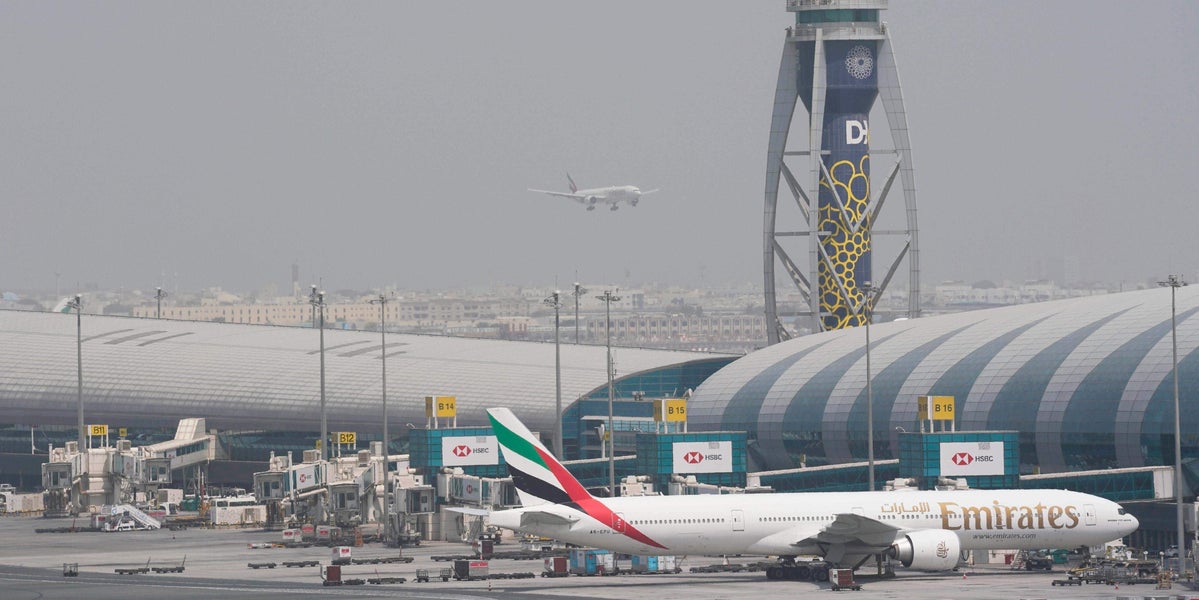
Dubai and Abu Dhabi have invested extraordinary resources in positioning the UAE as a neutral, stable, and welcoming destination. The country’s geographic location — bridging Europe, Asia, and Africa — made it a natural hub for international commerce and luxury hospitality. Emirates airline built one of the world’s most extensive route networks from Dubai International Airport. Developers created some of the most recognizable hotel landmarks on earth, including the sail-shaped Burj Al Arab and the sprawling Fairmont The Palm on the Palm Jumeirah.
The UAE’s political neutrality and strong security infrastructure allowed it to attract travelers who might otherwise hesitate to visit a region with a complex history of conflict. For much of the past two decades, that strategy worked remarkably well.
But stability in the UAE has always existed within a broader regional context that it cannot fully control.
How Middle East Tensions Have Historically Disrupted Gulf Tourism
Whenever conflict escalates in the wider Middle East — whether involving Iran, Yemen, Israel, or other regional actors — the effects on Gulf tourism tend to follow a predictable pattern. Booking inquiries slow. Travel insurers reassess risk ratings. Airlines adjust routes. High-net-worth travelers, who have the most flexibility and the most alternatives, are often the first to redirect their plans toward destinations perceived as lower-risk.
The UAE’s tourism authorities have historically responded to such periods with reassurance campaigns, direct outreach to travel agents, and coordination with international carriers to maintain route stability. The country’s security services are widely regarded as among the most capable in the region, and the physical distance between Dubai and most active conflict zones has generally been sufficient to maintain traveler confidence.
That said, perception and reality do not always move together. Even when the UAE itself remains safe, elevated regional tension can suppress demand — particularly in the ultra-luxury segment, where discretion and comfort are the entire product.
What Geopolitical Risk Actually Means for Luxury Travelers in the Gulf
For travelers planning high-end trips to Dubai or Abu Dhabi, geopolitical risk tends to manifest in a few specific and practical ways:
- Travel insurance premiums rise when regional risk ratings increase, sometimes significantly for Gulf destinations.
- Airline routing can shift if airspace restrictions are imposed or carriers voluntarily avoid certain corridors, potentially affecting flight times and availability.
- Corporate travel policies tighten, with some multinational employers restricting non-essential travel to the region during periods of elevated tension.
- Hotel cancellation patterns change, with luxury properties seeing increased last-minute cancellations and a shift toward shorter booking windows.
- Private charter demand can spike, as travelers with the means to do so opt for more controlled, flexible travel arrangements over commercial aviation.
None of these effects necessarily mean that travel to the UAE becomes unsafe. They reflect the way risk perception shapes behavior, especially at the top of the market.
The Real Stakes for Iconic Properties Like the Burj Al Arab and Fairmont The Palm
| Factor | Impact on Luxury Travel Demand | Historical Pattern |
|---|---|---|
| Regional conflict escalation | Short-term booking slowdown | Typically recovers within months if UAE remains unaffected |
| Airspace disruptions | Route changes, longer flight times | Has occurred during past Gulf tensions; carriers adapt quickly |
| Travel insurance reclassification | Higher premiums, coverage gaps | Follows risk agency ratings; can lag behind actual conditions |
| Media coverage of regional instability | Perception gap widens from reality | Major driver of cancellations even when UAE itself is stable |
| UAE government reassurance messaging | Partial demand recovery | Effective when backed by visible security presence |
Properties like the Burj Al Arab and the Fairmont The Palm are not just hotels — they are globally recognized symbols of Dubai’s brand promise. When that brand promise comes under pressure, the financial and reputational stakes extend well beyond any single booking season.
What Travelers and the Industry Are Watching Now
Travel industry observers note that the Gulf luxury market has proven resilient through multiple cycles of regional tension. The UAE’s diversified economy, its relationships with both Western and Eastern governments, and its powerful aviation infrastructure have historically allowed it to absorb shocks that would devastate smaller or less strategically positioned destinations.
What has changed in recent years is the speed at which information — and misinformation — travels. A single viral news cycle about regional tensions can trigger a wave of cancellations before any official assessment is even issued. Travel brands operating in the Gulf are increasingly investing in real-time communications infrastructure specifically to manage this dynamic.
For travelers, the practical guidance from most major travel advisories has remained consistent: monitor official government travel warnings from your home country, purchase comprehensive travel insurance that explicitly covers regional instability, and maintain flexible booking arrangements when visiting Gulf destinations during periods of elevated geopolitical uncertainty.
Frequently Asked Questions
Is Dubai currently safe for tourists?
Travel safety conditions change frequently. Travelers should consult their government’s official travel advisory — such as those issued by the U.S. State Department, the UK Foreign Office, or equivalent agencies — for the most current assessment before booking.
How does regional Middle East conflict typically affect UAE tourism?
Historically, elevated regional tension leads to short-term slowdowns in bookings, higher travel insurance premiums, and some corporate travel restrictions, even when the UAE itself remains stable and secure.
Do luxury hotels like the Burj Al Arab and Fairmont The Palm have specific security protocols?
Major luxury properties in Dubai maintain extensive security infrastructure, but specific protocols are not publicly disclosed. The UAE’s national security services are widely regarded as highly capable.
Will travel insurance cover trip cancellation due to regional instability near Dubai?
Coverage varies significantly by policy and provider. Travelers should look specifically for policies that include “cancel for any reason” coverage or explicit provisions for geopolitical risk when visiting the Gulf region.
Has geopolitical tension ever caused a long-term decline in Dubai tourism?
Based on historical patterns, Dubai’s tourism market has recovered relatively quickly from periods of regional tension, supported by strong government investment in destination marketing and the city’s role as a global transit hub.
What should travelers do if the situation in the Middle East changes after they book a trip to Dubai?
Travelers should review their booking’s cancellation policy immediately, contact their travel insurer to understand coverage options, and monitor official government travel advisories for updated guidance.

Leave a Reply