
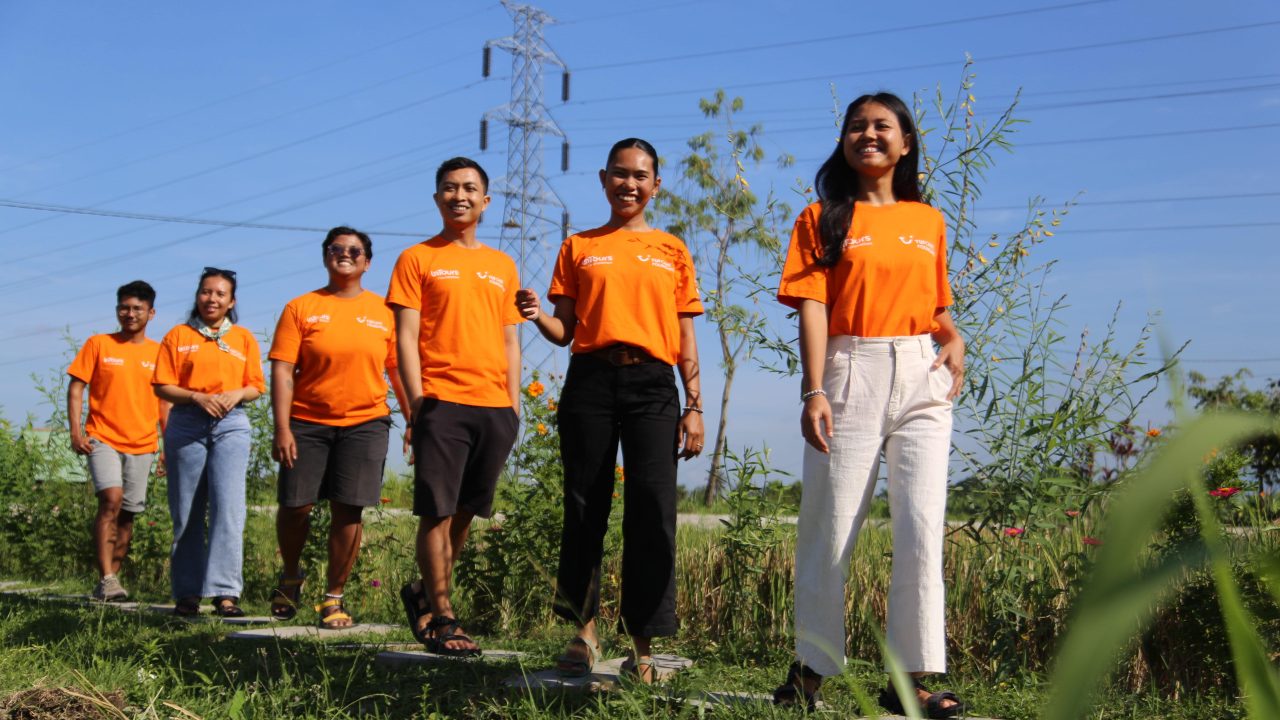
Maria had never pitched a business plan before. A farmer’s daughter from a post-conflict village in Colombia’s coffee region, she had spent years watching tour buses roll past her community without stopping. Then a TUI Care Foundation program arrived, and within eighteen months, she was leading guided agricultural tours for international visitors.
Her story sounds like a brochure. But it raises a harder question: is mentorship and access to capital truly enough to transform tourism economies? Or does it paper over structural problems that no amount of coaching can fix?
The Setup: A Divided Industry
The TUI Care Foundation recently launched TUI Care Capital, a global initiative combining impact loans with structured mentorship for sustainable tourism entrepreneurs. The program targets community-based operators, Indigenous leaders, farmers, and entrepreneurs in regions ranging from post-conflict Colombia to North Africa.
In Spain, the Foundation is deploying young talent to fight overtourism challenges through innovation programs. In Egypt, Tunisia, and Morocco, the TUI Futureshapers North Africa initiative trains, connects, and funds entrepreneurs building new tourism models.
The ambition is real. But the tourism industry is deeply skeptical of top-down solutions dressed as grassroots empowerment. Two camps have formed, and neither is entirely wrong.
Side A: Mentorship Is the Missing Engine
Proponents argue that capital alone has historically failed sustainable tourism. Loans without guidance produce debt, not transformation. Entrepreneurs in post-conflict or rural areas often lack access to business networks, marketing expertise, and legal frameworks. Mentorship fills that gap directly.
The TUI Care Foundation’s two-year initiative in Colombia is a strong example. It targets community-based tourism organisations in post-conflict areas, equipping them with experience, tools, and resources. The participants include Afro-Colombian entrepreneurs, Indigenous leaders, and peace agreement signatories. These are not people who lack ideas. They lack infrastructure.
“Farmers, Indigenous leaders, Afro-Colombian entrepreneurs and peace agreement signatories are building sustainable tourism businesses rooted in their own communities.”
— TUI Care Foundation
The Futureshapers North Africa model adds another layer. It does not just fund projects; it connects entrepreneurs to networks across Egypt, Tunisia, and Morocco. Peer learning across borders is something no loan agreement can replicate.
Supporters also point to the Spain initiative as proof the model scales. Addressing overtourism requires creative, locally grounded solutions. Bringing young innovators into structured programs with mentorship produces ideas that outside consultants never generate.
Side B: Mentorship Without Systemic Change Is Theater
Critics are less convinced. They argue that mentorship programs run by large travel corporations carry an inherent tension. TUI Group is one of the world’s largest tourism companies. Its foundation funding sustainable micro-entrepreneurs raises questions about whose vision of sustainability is actually being promoted.
Skeptics point out that impact loans still create debt obligations. For entrepreneurs in fragile economies, a loan tied to tourism revenue is a high-risk instrument. Tourism is one of the most volatile industries on the planet, as the COVID-19 period demonstrated with brutal clarity.
| Approach | Strengths | Weaknesses |
|---|---|---|
| Mentorship + Impact Loans | Builds skills, provides capital, creates networks | Debt risk, corporate influence on local models |
| Grants Only | No repayment burden, lower risk | Dependency, no accountability mechanism |
| Government Policy Reform | Systemic, scalable, enforceable | Slow, politically difficult, often ignores local voice |
| Community Self-Governance | Authentic, locally driven, culturally aligned | Limited capital access, scaling challenges |
There is also the question of selection bias. Programs like TUI Care Capital tend to surface entrepreneurs who already have some baseline capacity. The most marginalized communities, those without existing networks or language access, often remain invisible to foundation programs.
Critics further argue that addressing overtourism in Spain through innovation programs is treating a symptom. The root cause is mass tourism infrastructure built over decades by companies including TUI itself. Mentoring a handful of young innovators does not restructure that system.
Some development economists argue that the real bottleneck is not entrepreneurial capacity. It is regulatory environments, land rights, and market access. No mentorship program fixes a community that cannot legally own the land their tourism product depends on.
The Data: What Research Actually Shows
The evidence on mentorship-plus-capital models in developing economies is mixed but leaning positive under specific conditions. Research from the World Bank and various development finance institutions consistently shows that technical assistance paired with financing outperforms financing alone. Entrepreneurs who receive mentorship alongside loans show higher survival rates and faster revenue growth.
For tourism specifically, community-based models have shown resilience when they maintain genuine local ownership. Programs that transfer skills without transferring decision-making authority tend to produce dependency rather than self-sufficiency.
The TUI Futureshapers North Africa model, which operates across Egypt, Tunisia, and Morocco, reflects an awareness of this. Cross-border peer networks reduce isolation and build regional solidarity among entrepreneurs. That structural element distinguishes it from simple grant programs.
Colombia’s post-conflict tourism development context adds another data point. Research on peace-building economies shows that tourism can be a genuine driver of reconciliation and economic recovery, but only when communities have real agency over the product and the revenue. The TUI Care Foundation’s explicit inclusion of peace agreement signatories and Afro-Colombian entrepreneurs signals awareness of this dynamic.
Verdict: The Model Has Merit, With Conditions
The debate is not really about whether mentorship works. It does, under the right conditions. The real question is whether TUI Care Capital is structured to produce genuine local ownership or sophisticated dependency.
The evidence from the Foundation’s Colombia and North Africa programs suggests the design is more thoughtful than typical corporate social responsibility initiatives. The two-year timeframe, the focus on post-conflict communities, and the cross-border network elements all point toward a model built for durability.
But the critics are right to watch the fine print. Impact loans are still debt. Corporate foundations still carry the values and priorities of their parent organizations. And mentorship without policy advocacy leaves structural barriers intact.
The strongest version of this model is one where TUI Care Capital graduates become advocates for regulatory reform, not just successful small operators. Where the mentorship network becomes a political constituency, not just a business cohort.
Implications: What This Debate Means for Tourism’s Future
The TUI Care Foundation’s initiative arrives at a critical moment. Overtourism is reshaping political conversations in Europe. Post-conflict economies in Latin America and Africa are looking for development models that do not replicate extractive patterns. Climate pressure is forcing every sector to rethink growth assumptions.
Mentorship-based entrepreneurship programs represent one piece of a larger puzzle. They cannot replace policy reform, land rights protections, or fair revenue-sharing frameworks. But they can build the human capacity that makes those larger changes possible.
The TUI Futureshapers model in North Africa is particularly worth watching. Egypt, Tunisia, and Morocco each face different tourism pressures, different political environments, and different community structures. A program that works across all three is either remarkably well-designed or dangerously oversimplified. The next few years will reveal which.
For the broader travel industry, the debate over TUI Care Capital is a proxy for a larger argument. Can major tourism corporations genuinely support the decentralization of tourism power? Or does every corporate foundation initiative ultimately serve the parent brand’s long-term market position?
The answer may depend less on the foundation’s intentions and more on whether the entrepreneurs it mentors eventually have the power to say no to TUI entirely, and thrive anyway.
Frequently Asked Questions

You Might Also Like
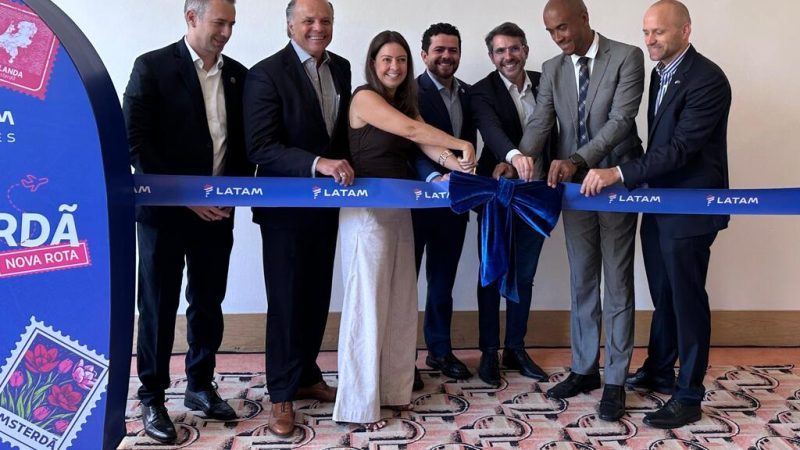
LATAM Just Connected São Paulo to Amsterdam and Brazil Is Taking Notice
Brazil’s aviation sector is undergoing one of its most significant expansions in years, with multiple…
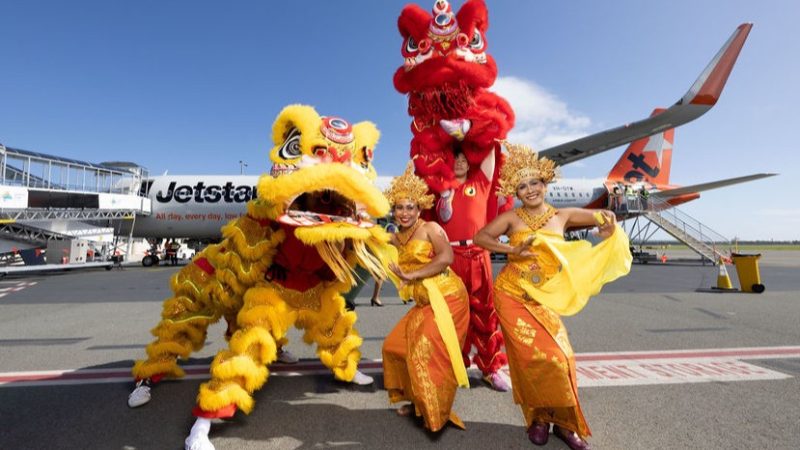
Jetstar’s Sunshine Coast to Bali Route Now Opens a Path to Singapore
The Sunshine Coast is about to get a whole lot closer to Southeast Asia. Jetstar…

MSC Cruises Quietly Swapped Alaska’s Most Famous Fjord — And Why It Matters
A safety-driven itinerary change is reshaping what passengers aboard the MSC Poesia will experience during…
Leave a Reply