
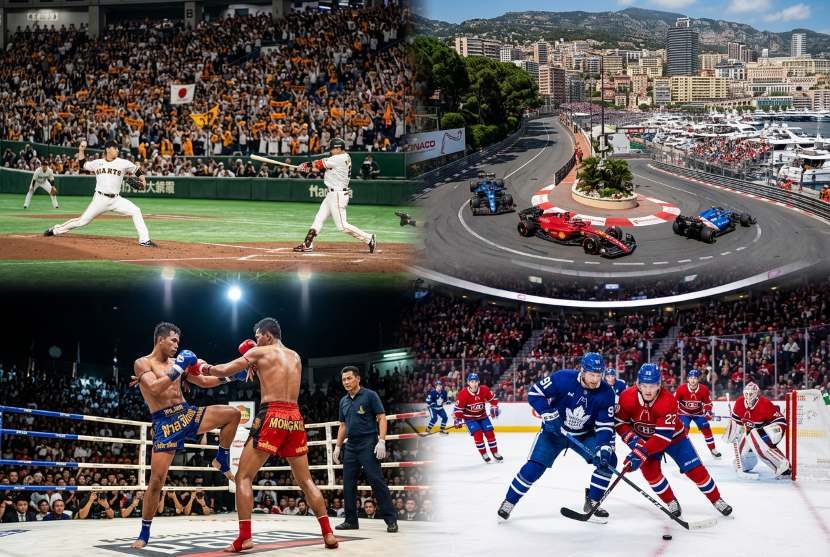
Sports tourism is having a moment — and in 2026, four countries are leading the charge in a way that goes far beyond simply attending a game. Canada, Japan, Monaco, and Thailand have each emerged as standout destinations where sport and culture collide in ways that turn a trip into something genuinely memorable.
What makes this shift interesting is who’s traveling. It’s no longer just die-hard fans booking flights to watch their team. Increasingly, travelers are seeking out sporting events as a lens through which to experience a country’s identity — its traditions, its energy, its people. These four destinations are making that possible at a high level.
Each country brings something distinct to the table, and together they represent a broader transformation in how the travel industry thinks about sport as a cultural experience.
Why Sports Tourism Is Being Redefined in 2026
The old model of sports travel was simple: buy a ticket, fly to the city, watch the match, go home. What’s happening now is fundamentally different. Countries are packaging sporting events alongside deep cultural immersion, creating experiences that appeal to travelers who may not even consider themselves sports fans.
Japan has been doing this quietly for years with sumo wrestling, one of the country’s oldest and most ceremonially rich traditions. Attending a sumo tournament in Japan isn’t just watching two athletes compete — it’s a window into ritual, history, and a way of life that stretches back centuries.
Thailand’s Muay Thai tradition operates in a similar register. The sport is woven into the country’s cultural fabric, and travelers who engage with it — whether as spectators or participants — come away with an understanding of Thailand that no museum or guided tour could offer on its own.
Monaco’s Formula 1 presence is a different beast entirely. The glamour is real, the spectacle is unmatched, and the Grand Prix has long been one of the most coveted tickets in global motorsport. But Monaco has built an entire identity around it, turning race weekend into a broader luxury travel experience that draws visitors from across the world.
Canada rounds out the group with ice hockey — a sport that, in Canada, functions more like a national religion than a pastime. For visitors, catching a professional game in cities like Toronto, Montreal, or Vancouver offers an authentic connection to Canadian life that’s hard to replicate any other way.
What Each Destination Offers Sports Travelers in 2026
| Destination | Primary Sport | Cultural Dimension |
|---|---|---|
| Japan | Sumo Wrestling | Ancient ritual, centuries of tradition, ceremonial pageantry |
| Canada | Ice Hockey | National identity, passionate fan culture, winter atmosphere |
| Monaco | Formula 1 Grand Prix | Glamour, luxury travel, iconic street circuit racing |
| Thailand | Muay Thai | Deep cultural tradition, participatory experiences, local life |
The Part of This Story Most Travel Guides Are Missing
What’s easy to overlook in the sports tourism conversation is how these experiences function differently for different kinds of travelers. A lifelong hockey fan visiting Canada is getting one thing. A first-time visitor who stumbles into a game during a broader Canadian trip is getting something else entirely — and both experiences are valid, and both are being catered to.
This is part of why these four destinations are standing out. They’re not just offering world-class sporting events. They’re offering context. Japan’s sumo tournaments come wrapped in ritual and ceremony that rewards curiosity. Thailand’s Muay Thai gyms and stadiums welcome outsiders in a way that feels genuinely inclusive rather than performative.
Monaco and Canada operate at different ends of the accessibility spectrum — one is defined by exclusivity and spectacle, the other by broad national pride — but both deliver something that feels authentic rather than manufactured for tourists.
Who This Matters To — and Why Now
The rise of these destinations as sports tourism leaders in 2026 reflects a wider shift in traveler priorities. People are increasingly looking for experiences that feel meaningful rather than just entertaining. Sport, at its best, delivers both.
- Travelers who want cultural depth alongside the excitement of live sport
- First-time visitors to these countries looking for an authentic entry point into local life
- Experienced sports fans seeking events with genuine historical or cultural weight
- Couples or groups where one person is a sports enthusiast and the other wants more from the trip
Each of these four countries has figured out how to speak to all of those audiences at once — which is no small achievement.
What to Expect if You’re Planning a Trip Around These Events
If any of these destinations are on your radar for 2026, the practical reality is that planning ahead matters enormously. Monaco’s Formula 1 Grand Prix is one of the most heavily attended events on the sporting calendar, and accommodation books out months in advance. Japan’s major sumo tournaments — held in cities including Tokyo, Osaka, and Nagoya — draw significant crowds, and tickets for the best sessions sell quickly.
Canada’s hockey season runs through the winter and into spring playoffs, giving travelers a reasonably wide window to plan around. Thailand’s Muay Thai scene is active year-round, with major stadiums in Bangkok hosting regular events that don’t require the same level of advance planning as a Formula 1 weekend.
The common thread across all four is that the experience extends well beyond the event itself. The food, the neighborhoods, the conversations with locals — the sport is the entry point, not the entire story.
Frequently Asked Questions
Which countries are identified as top sports tourism destinations for 2026?
Canada, Japan, Monaco, and Thailand have been highlighted as leading sports tourism destinations for 2026, each offering a distinct combination of sport and cultural experience.
What sports are associated with each destination?
Japan is known for sumo wrestling, Canada for ice hockey, Monaco for Formula 1 racing, and Thailand for Muay Thai.
Is sports tourism only for dedicated sports fans?
According to
What makes these destinations different from typical sports travel?
Each country has integrated its sporting traditions with broader cultural experiences, allowing visitors to connect with local life and history in ways that go beyond simply watching an event.
Do I need to book far in advance for these events?
Events like Monaco’s Formula 1 Grand Prix and Japan’s sumo tournaments are highly popular and typically require advance planning, though specific booking timelines were not confirmed in
Is Muay Thai in Thailand accessible to international visitors?



Leave a Reply