
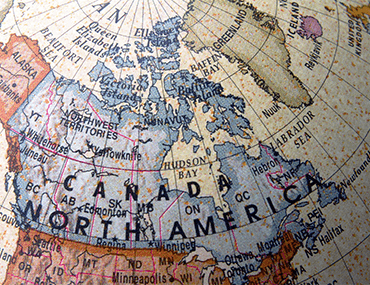
Across Canada, something is shifting in how provinces think about attracting visitors — and it goes well beyond beaches, ski hills, and national parks. Culture tourism is emerging as the central strategy driving travel sector growth in Ontario, Quebec, British Columbia, Alberta, Nova Scotia, Newfoundland, and beyond. This is no longer a niche add-on to traditional tourism marketing. It is becoming the primary engine provinces are betting on to bring more visitors, more spending, and more sustained economic activity to their regions.
Ontario’s move to align with this broader national momentum marks a meaningful shift in how Canada’s most populous province is positioning itself on the global travel map. The fact that so many provinces are moving in the same direction at the same time signals something larger: a coordinated, if informal, national pivot toward cultural identity as a competitive tourism advantage.
For travelers planning a Canadian trip — and for the communities, businesses, and workers inside Canada’s tourism industry — this shift has real, practical consequences worth understanding.
Why Canadian Provinces Are Betting Big on Culture Tourism
Culture tourism, broadly speaking, is travel motivated by a desire to experience the arts, heritage, history, food traditions, Indigenous culture, festivals, and community identity of a destination. It draws visitors who stay longer, spend more, and return more often than those chasing purely recreational experiences.
For a country as geographically vast and culturally diverse as Canada, this approach makes strategic sense. Each province carries a genuinely distinct identity — Quebec’s French-language heritage, British Columbia’s Indigenous and Pacific Rim cultural blend, Nova Scotia’s Celtic and Acadian roots, Newfoundland’s unique dialect and maritime history, Alberta’s Indigenous heritage and frontier culture, and Ontario’s multicultural urban energy. These are not interchangeable offerings. They are differentiated products that can compete globally.
Observers of the Canadian travel sector have noted that positioning culture as a core draw — rather than a supporting feature — allows provinces to attract visitors year-round, not just during peak outdoor seasons. That matters enormously for businesses and workers who have historically faced sharp seasonal swings in demand.
Ontario Joins a Growing National Movement
Ontario’s alignment with the broader culture tourism push places it alongside a growing list of Canadian provinces that have been actively repositioning their travel identities. The movement now includes:
- Quebec — long regarded as Canada’s cultural flagship, with its French language, historic architecture, and world-class festivals
- British Columbia — leaning into Indigenous cultural experiences, arts communities, and diverse urban culture
- Alberta — emphasizing Indigenous heritage, ranching culture, and the arts alongside its natural landscapes
- Nova Scotia — promoting Celtic traditions, Acadian history, and a thriving local arts scene
- Newfoundland — building on its reputation for distinct storytelling, music, and maritime cultural identity
- Ontario — now actively joining this coalition of provinces using cultural identity as a primary tourism driver
The momentum across so many provinces simultaneously suggests this is not a passing trend. It reflects a deliberate, longer-term recalibration of how Canadian tourism is marketed both domestically and to international visitors.
What This Means for the Canadian Travel Sector
| Province | Cultural Identity Emphasis | Tourism Positioning |
|---|---|---|
| Ontario | Multicultural urban culture, arts, heritage | Actively joining culture tourism movement |
| Quebec | French language, festivals, historic sites | Established culture tourism leader |
| British Columbia | Indigenous culture, Pacific arts, urban diversity | Expanding cultural programming |
| Alberta | Indigenous heritage, frontier and ranching culture | Culture integrated with natural tourism |
| Nova Scotia | Celtic, Acadian roots, local arts | Culture as year-round draw |
| Newfoundland | Maritime identity, music, storytelling | Distinct cultural brand globally |
The practical effect of this provincial alignment is a more cohesive national tourism story. Visitors planning multi-province Canadian itineraries now encounter a country that presents its cultural richness as a through-line — not just a backdrop to outdoor adventure.
For the travel sector itself, the shift supports growth in areas like cultural festivals, heritage site development, Indigenous tourism experiences, performing arts venues, culinary tourism, and community-based travel programs. These sectors tend to generate employment that is more distributed across communities than resort-based or infrastructure-heavy tourism models.
Who Stands to Gain — and What Travelers Should Know
The people most directly affected by this shift are the communities, artists, Indigenous operators, small hospitality businesses, and cultural organizations that have long been underleveraged assets in Canada’s tourism economy. When provinces formally position culture as a priority, funding, marketing support, and visitor traffic tend to follow.
For travelers, the practical implication is straightforward: Canada is actively building and promoting more cultural experiences across more regions. Visitors who previously thought of Canada primarily as a destination for skiing, hiking, or wildlife viewing now have a growing portfolio of arts, heritage, food, and community-based experiences to draw them in — and to keep them exploring beyond the obvious highlights.
Tourism advocates have pointed out that culture tourism also tends to distribute visitor spending more broadly across local economies, rather than concentrating it in a handful of major resort destinations. That has real benefits for smaller communities looking to grow their share of the travel market.
What Comes Next for Canada’s Culture Tourism Push
The alignment of so many provinces around culture tourism suggests the trend will continue to accelerate. As each province develops and promotes its cultural offerings more aggressively, competition will sharpen — but so will the overall appeal of Canada as a culturally rich destination on the world stage.
Ontario’s entry into this space is particularly significant given its size, population, and the international profile of cities like Toronto. When Canada’s largest province formally commits to culture tourism as a strategic priority, it brings resources and visibility that can amplify the efforts of smaller provinces working in the same direction.
Whether this translates into specific new funding programs, marketing campaigns, or policy frameworks has not yet been confirmed in available reporting. What is clear is that the directional shift is real, it is broad, and it is gathering speed.
Frequently Asked Questions
What is culture tourism and why are Canadian provinces focusing on it?
Culture tourism refers to travel motivated by a destination’s arts, heritage, history, food traditions, and community identity. Canadian provinces are focusing on it because it attracts visitors who spend more, stay longer, and return more often.
Which Canadian provinces are involved in this culture tourism shift?
According to available reporting, the provinces actively positioning culture tourism include Ontario, Quebec, British Columbia, Alberta, Nova Scotia, and Newfoundland, among others.
Is Ontario a new addition to this movement or has it always prioritized culture tourism?
Based on current reporting, Ontario is described as newly joining the broader movement that other provinces have already been building momentum around.
How does this affect travelers planning a trip to Canada?
Travelers can expect a growing range of cultural experiences — festivals, heritage sites, Indigenous tourism, culinary offerings, and arts programming — available across more provinces and regions.
Will this create new jobs in Canada’s tourism industry?
Culture tourism generally supports employment in arts, hospitality, heritage, and community-based sectors, though specific job creation figures from this initiative have not been confirmed in available reporting.
Are there specific new programs or funding announcements tied to this shift?
Specific program details or funding commitments have not yet been confirmed in the available source material at this time.



Leave a Reply