
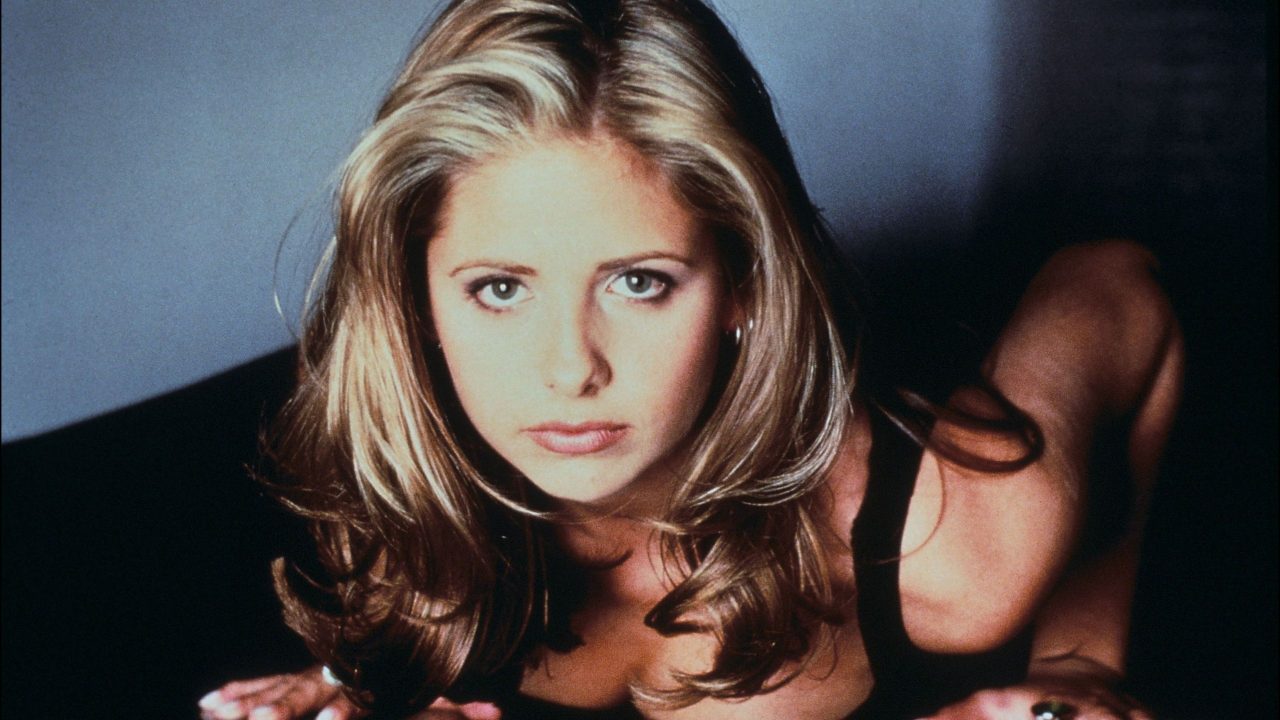
The Buffy the Vampire Slayer reboot that fans spent years debating never made it to air — and now, details about exactly what Hulu’s scrapped pilot had planned are coming to light. For a franchise with one of the most devoted fanbases in television history, the news of a canceled revival stings. But understanding what the project actually was — and why it didn’t survive — tells a revealing story about how Hollywood handles legacy IP in the streaming era.
https://www.instagram.com/p/DV31NdtDgWu/
The Buffy Reboot That Almost Happened
Joss Whedon’s original Buffy the Vampire Slayer ran from 1997 to 2003 on The WB and UPN, becoming one of the most influential genre series ever made. The show launched careers, shaped a generation of TV writing, and built a cultural footprint that has never fully faded. So when word emerged that a reboot was in development at Hulu, the reaction was immediate — and deeply divided.
The project was real. A pilot was in development. And then it was gone. The reboot’s cancellation before it ever reached audiences raises questions not just about this specific show, but about the broader challenge of reviving beloved properties when both the entertainment landscape and the public’s relationship with the original creators have changed dramatically.
Whedon’s reputation took serious hits in the years following the #MeToo movement, with multiple cast members from his projects — including Buffy itself — speaking publicly about their experiences on set. That context loomed over any reboot conversation from the start, regardless of whether Whedon was directly attached to the new project.
What the Hulu Pilot Was Reportedly Building Toward
Based on what has been reported about the scrapped project, the Hulu reboot was not intended as a direct continuation of the original series. Instead, it was designed around a new Slayer — a fresh protagonist who would carry the mythology forward without requiring viewers to have deep knowledge of the Sunnydale years.
This approach — introducing a new lead while keeping the foundational lore intact — is a common strategy for franchise revivals. It allows studios to court existing fans while theoretically opening the door to new audiences. Whether it would have worked for Buffy specifically is a question that will now remain unanswered.
The setting was also reported to be a new location rather than a return to Sunnydale, signaling that the creative team wanted to establish its own identity rather than lean entirely on nostalgia. For a show as place-specific as Buffy — where Sunnydale’s Hellmouth was practically a character in its own right — that was a meaningful creative choice.
Why Legacy Reboots Are So Difficult to Pull Off
The Buffy reboot’s fate fits a pattern that has played out repeatedly in recent years. Studios greenlight revivals of beloved properties, fans react with a mixture of hope and suspicion, and the projects often collapse before they reach screens — or arrive and disappoint.
Several factors make rebooting a show like Buffy particularly complicated:
- The original is so closely associated with its creator that separating the property from Whedon’s legacy is genuinely difficult, both creatively and reputationally.
- The fanbase has strong opinions about what the show should be, making it nearly impossible to satisfy everyone.
- Streaming platforms greenlight many projects in development that never make it to production — a pilot being shot does not guarantee a series order.
- The cultural conversation around Whedon specifically created a complicated environment for any project bearing the Buffy name.
What This Means for the Franchise’s Future
The cancellation of the Hulu pilot does not necessarily mean the end of Buffy as a franchise. Intellectual property of this value rarely stays dormant forever. But it does suggest that any future attempt will need to navigate the same tensions that sank this one — and possibly do so more carefully.
| Element | Original Series | Hulu Reboot (Reported) |
|---|---|---|
| Network/Platform | The WB / UPN | Hulu |
| Setting | Sunnydale, California | New location (not Sunnydale) |
| Central Slayer | Buffy Summers | New, original Slayer character |
| Continuity | Original series | New story, same mythology |
| Status | Ran 1997–2003 (7 seasons) | Pilot canceled, never aired |
For fans who grew up with the original, the reboot’s collapse may actually come as a relief. There is a real argument that some shows are better left as they are — complete, imperfect, and theirs. Buffy ended in 2003 with a finale that fundamentally changed the rules of the Slayer mythology. Revisiting that world was always going to be a high-wire act.
Whether Hulu’s version would have honored that legacy or undermined it is something audiences will never get to judge for themselves. What’s clear is that the appetite for a Buffy revival exists — the question has always been whether the right version of that revival can be made.
Frequently Asked Questions
Was the Buffy reboot actually in production at Hulu?
A pilot was reported to be in development at Hulu, but it was canceled before it could air. No full series order was made.
Would the reboot have featured the original cast?
The reboot was reported to center on a new Slayer character rather than returning cast members from the original series. Specific casting has not been confirmed from available reporting.
Was Joss Whedon involved in the Hulu reboot?
This has not been confirmed in The reboot’s development occurred amid significant public scrutiny of Whedon following accounts from former collaborators.
Is the Buffy franchise completely dead after this cancellation?
Not necessarily. The IP retains significant value, and a future revival attempt at another platform or in another format remains possible, though nothing has been announced.
How long did the original Buffy the Vampire Slayer run?
The original series ran for seven seasons, from 1997 to 2003, airing first on The WB and later on UPN.
Why was the reboot set in a new location instead of Sunnydale?
Reports suggested the creative team wanted to establish a fresh identity for the reboot rather than rely entirely on nostalgia, though the full reasoning behind that decision has not been officially confirmed.


Leave a Reply