
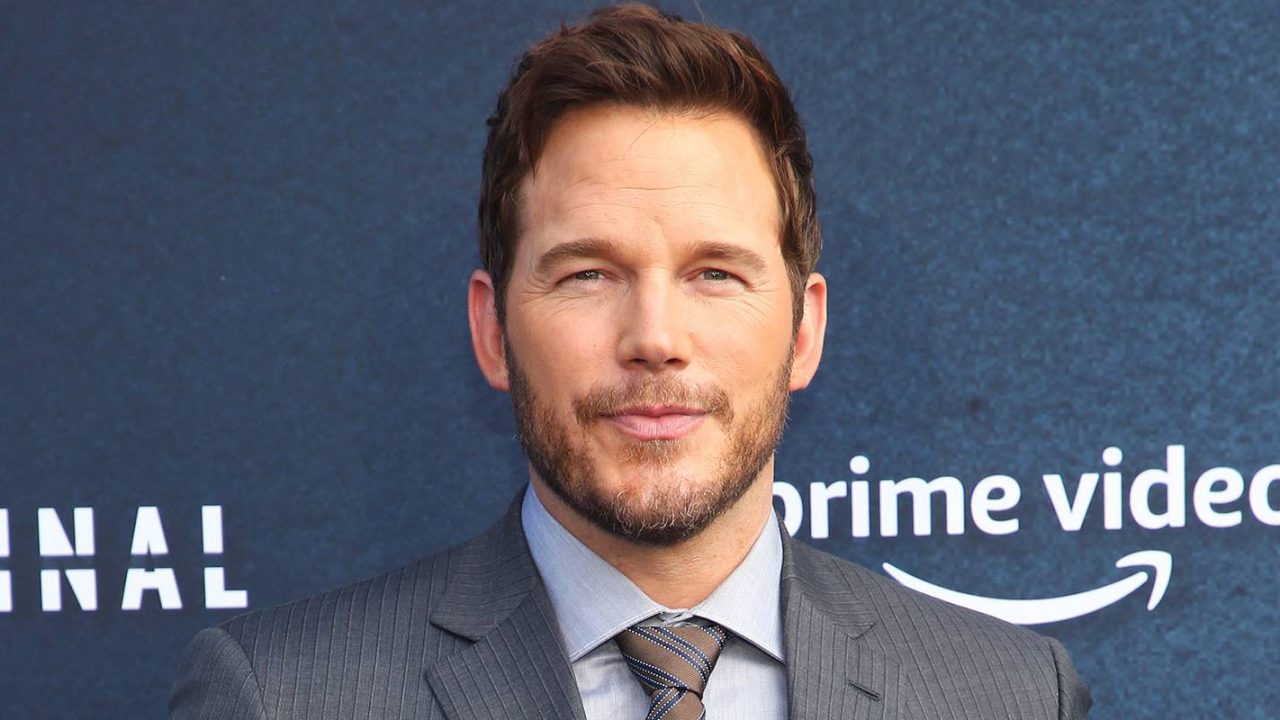
Nearly a decade after dividing critics and audiences alike, Passengers — the 2016 sci-fi romance starring Chris Pratt and Jennifer Lawrence — is quietly staging a comeback on streaming, and the renewed attention is forcing a fresh conversation about whether the film was ever as bad as people said it was.
The film, written by Jon Spaihts — the same screenwriter behind Denis Villeneuve’s acclaimed Dune — arrived in theaters to a complicated reception. It made money, generated debate, and then largely faded from the cultural conversation. Now, as it resurfaces on streaming platforms and finds new audiences, the question of what Passengers actually is — a flawed romantic drama, a morally troubling thriller, or a misunderstood piece of science fiction — is back on the table.
The timing also raises a broader question that Hollywood has been wrestling with for years: can a superhero-adjacent star truly open a prestige film on the strength of their name alone? That tension sits at the very heart of why Passengers remains such a fascinating case study.
What Made Passengers So Controversial in the First Place
When Passengers opened in December 2016, it carried enormous expectations. Chris Pratt was fresh off back-to-back blockbuster hits. Jennifer Lawrence was one of the most bankable stars on the planet. The premise — two passengers stranded awake 90 years too early aboard an interstellar spacecraft — seemed tailor-made for a sweeping romantic epic set against the cold vastness of space.
What audiences and critics got was something more unsettling. Without spoiling too much for anyone who still hasn’t seen it, the moral logic of the film’s central relationship became the flashpoint for nearly every negative review. The controversy wasn’t really about the filmmaking — it was about what the story was asking viewers to accept, and whether the film was honest enough with itself about the implications of its own plot.
That debate never fully resolved. And in some ways, that unresolved tension is exactly why the film keeps coming back.
The Jon Spaihts Connection That Changes Everything
One detail that deserves more attention in any reassessment of Passengers is who wrote it. Jon Spaihts is the screenwriter behind the script, and his career trajectory since 2016 has been remarkable. He went on to co-write Denis Villeneuve’s Dune, one of the most celebrated science fiction films of the modern era, and its sequel. That pedigree reframes Passengers in an interesting light.
Spaihts has consistently shown an interest in the philosophical and ethical weight of science fiction — not just the spectacle of it. Viewed through that lens, the moral discomfort at the center of Passengers starts to look less like a storytelling failure and more like a deliberate provocation. Whether the film executes that provocation successfully is still debatable. But the intent behind it looks different now than it did in 2016.
Chris Pratt and the Star Power Question
The renewed streaming interest in Passengers also arrives at a moment when the entertainment industry is actively debating the value of movie stardom — specifically, the kind of stardom built on superhero franchises.
As In that framing, an entire generation of actors who rose to prominence through Marvel and similar franchises — including Chris Pratt — has been somewhat bypassed in the cultural conversation about who can truly “open” a film.
The core challenge, as observers have noted, is whether an actor can draw audiences into a theater — or onto a streaming platform — purely on the strength of their name, independent of the franchise or IP attached to them. Passengers was one of Pratt’s most significant attempts to prove that he could do exactly that outside the Guardians of the Galaxy universe. The results were mixed enough to keep the conversation going years later.
Why Streaming Is Giving the Film a Second Life
There’s a well-documented pattern in the streaming era: films that were too strange, too slow, or too morally complicated for mainstream theatrical audiences often find their audience eventually. Streaming removes the pressure of opening weekend box office performance and replaces it with something more forgiving — algorithmic recommendation, word of mouth, and the simple fact that a curious viewer can start watching with zero financial commitment.
Passengers fits that pattern almost perfectly. It’s visually striking, features two genuinely charismatic leads, and sits on a moral question interesting enough to fuel hours of post-viewing discussion. Those are exactly the qualities that make a film travel well on streaming, even years after its theatrical run.
| Detail | Information |
|---|---|
| Film Title | Passengers |
| Release Year | 2016 |
| Stars | Chris Pratt, Jennifer Lawrence |
| Screenwriter | Jon Spaihts |
| Spaihts’ Notable Later Work | Dune (co-written with Denis Villeneuve) |
| Streaming Resurgence Noted | March 2026 |
What the Renewed Interest Actually Tells Us
A film finding a second life on streaming a decade after release isn’t just a feel-good story about redemption. It’s a signal about how audiences have changed — or at least how the conditions under which they encounter films have changed.
In 2016, walking into a theater to see Passengers meant committing time and money to something that the critical consensus had already pre-judged. In 2026, stumbling across it on a streaming platform means discovering it fresh, without that baggage. For a film as genuinely polarizing as this one, that’s a meaningful difference.
Whether viewers who encounter it now will find it misunderstood or simply flawed is still an open question. But the fact that people are watching it, talking about it, and reassessing it suggests that Passengers has always had more going on beneath its polished surface than its original reception gave it credit for.
Frequently Asked Questions
Who wrote Passengers?
Passengers was written by Jon Spaihts, who later co-wrote Denis Villeneuve’s acclaimed Dune and its sequel.
When was Passengers released?
The film was released in 2016, starring Chris Pratt and Jennifer Lawrence.
Why was Passengers considered controversial?
The film sparked debate primarily over the moral implications of its central plot, which made audiences uncomfortable with what the story was asking them to accept about its lead characters’ relationship.
Why is Passengers getting attention again in 2026?
The film has experienced a streaming resurgence approximately a decade after its release, with renewed audience interest prompting fresh reassessments of its legacy.
Is Chris Pratt considered a major movie star outside of franchise films?
That remains a debated question in the industry. Observers have noted that stars who rose through superhero franchises face a particular challenge in proving they can open films on the strength of their name alone, independent of established IP.
How does Timothée Chalamet factor into this conversation?
Chalamet has been widely identified as the leading male movie star of his generation and a successor to Leonardo DiCaprio — a framing that has, according to observers, somewhat sidelined the generation of actors who built their careers through superhero franchises.




Leave a Reply