
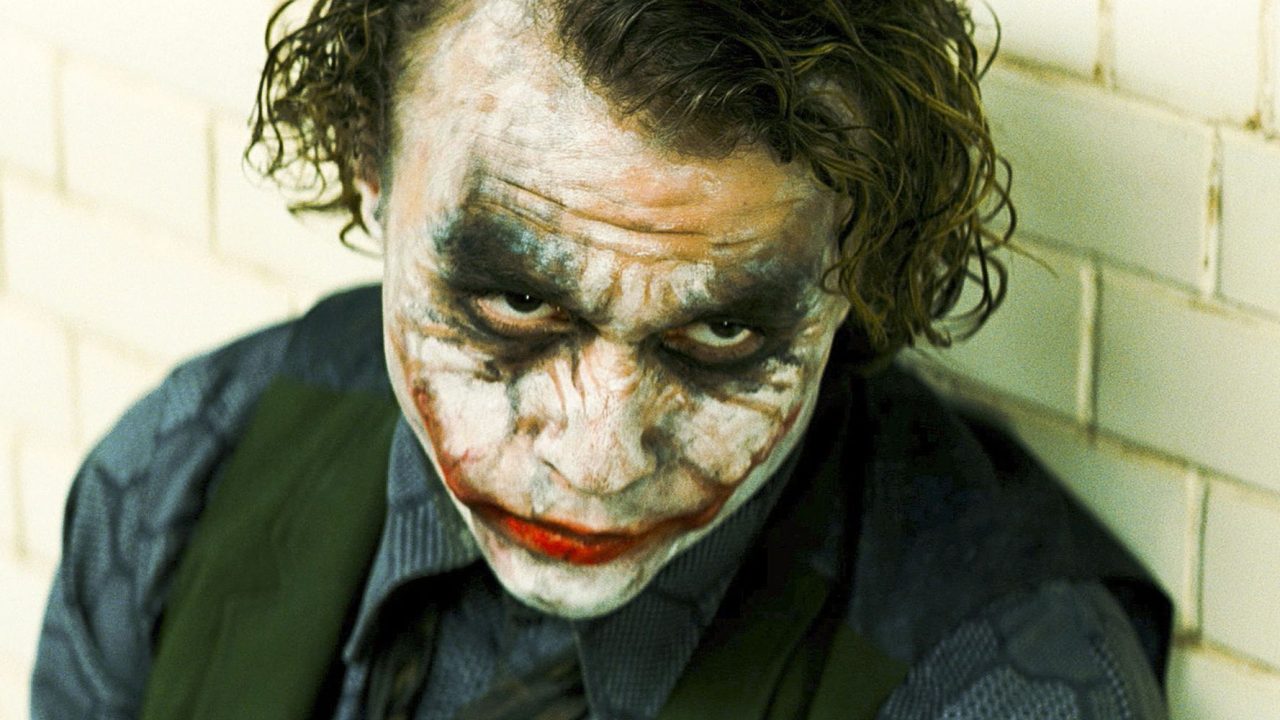
One of the most quoted lines in modern cinema history — “You either die a hero, or you live long enough to see yourself become the villain” — did not come from Christopher Nolan’s pen. And by most accounts, that fact still sits uncomfortably with the director who made The Dark Knight one of the greatest superhero films ever committed to film.
The line, delivered by Aaron Eckhart as Harvey Dent in the 2008 blockbuster, has been repeated in political speeches, graduation toasts, social media bios, and countless film essays. It’s the kind of dialogue that feels like it was always meant to exist. But the story of where it actually came from is a fascinating footnote in one of Hollywood’s most celebrated productions — and it says something real about how collaborative filmmaking can quietly complicate a director’s sense of ownership.
The Line That Defined a Film — and a Character
Harvey Dent’s famous declaration functions as both the thematic spine of The Dark Knight and a kind of tragic prophecy. Dent says it early in the film as Gotham’s crusading district attorney, full of optimism and moral certainty. By the end, he has become Two-Face — a villain forged from grief, corruption, and betrayal. The line lands differently on a second viewing, precisely because the audience knows what Dent doesn’t yet: he is the one who won’t survive his own heroism intact.
That kind of layered, self-referential writing is exactly what audiences associate with Nolan’s filmmaking. Which is part of why it’s so striking to learn the line wasn’t his.
The Dark Knight was written by Christopher Nolan and his brother Jonathan Nolan, who has long been a key creative collaborator. The brothers share the screenplay credit. But the Harvey Dent line — the one that became the film’s most culturally durable piece of dialogue — is reported to have originated with someone other than Christopher Nolan, and that distinction has reportedly bothered him.
Why Authorship Matters More Than It Might Seem
For directors who think of themselves as auteurs — and Nolan absolutely does — the question of who wrote what is never purely academic. It cuts to the heart of creative identity. Nolan has built a reputation as a filmmaker with an unusually singular vision: he writes, produces, and directs his films with a level of control that most directors never achieve.
When a line from one of your films becomes the line — the one that defines public memory of the entire work — and you didn’t write it, that’s a complicated feeling to carry. It doesn’t diminish the film. But it does complicate the story of how the film came to be, and who gets credit for its most enduring moment.
This kind of authorship tension isn’t unique to Nolan. Collaborative screenwriting has produced countless cases where the most memorable line, scene, or character beat came from a contributor who wasn’t the credited lead writer. What makes this case notable is the sheer cultural weight of the line in question.
What We Know About How The Dark Knight Was Written
The confirmed facts about the screenplay are worth keeping clear:
- The Dark Knight was released in 2008 and directed by Christopher Nolan.
- The screenplay carries a writing credit shared by Christopher Nolan and Jonathan Nolan.
- The film is based on characters from DC Comics, with the story building on elements established in Batman Begins (2005).
- Harvey Dent, portrayed by Aaron Eckhart, is a central character whose arc drives much of the film’s moral argument.
- The line “You either die a hero, or you live long enough to see yourself become the villain” is spoken by Dent and has become one of the most recognizable pieces of dialogue in 21st-century cinema.
| Film Detail | Confirmed Information |
|---|---|
| Release Year | 2008 |
| Director | Christopher Nolan |
| Screenplay Credit | Christopher Nolan & Jonathan Nolan |
| Actor Delivering the Line | Aaron Eckhart (as Harvey Dent) |
| Character’s Fate | Becomes Two-Face by film’s end |
| Cultural Status of the Line | Among the most quoted in modern cinema |
The Part of This Story Most Casual Fans Don’t Think About
Most people who love The Dark Knight have never stopped to wonder who wrote any specific line. They experienced the film as a complete, unified work — which is exactly how Nolan intended it to be received. Cinema is a collaborative art form, and the finished product is always the result of dozens of creative decisions made by writers, actors, editors, and directors working in concert.
But for the person whose name is on the film — whose reputation is staked on every frame — knowing that the most famous moment wasn’t entirely yours is a different experience than watching it from a theater seat.
It’s a reminder that even the most controlled creative visions are shaped by forces and contributors that don’t always show up in the final credits. Jonathan Nolan’s role in the screenplay is formally acknowledged, but the specific origin of individual lines within a co-written script is rarely a matter of public record.
Why This Story Still Resonates
The reason this detail continues to circulate among film enthusiasts isn’t to diminish Nolan or the film. The Dark Knight remains a landmark of modern cinema regardless of who typed that particular sentence. What makes it compelling is what it reveals about creative ego, collaborative artistry, and the strange way that certain phrases escape their origins and take on lives of their own.
A line written for a fictional district attorney in a superhero film has been used to describe the arcs of real politicians, athletes, and public figures. It has outlived its context and become genuine cultural shorthand. The fact that its precise authorship is contested — even within the production itself — makes it, if anything, more interesting.
Great films are rarely made by one person alone. Sometimes the most lasting thing in them came from a conversation, a suggestion, or a draft that the lead writer didn’t originate. That’s not a flaw in the process. It’s just the truth of how stories get made.
Frequently Asked Questions
What is the famous line from The Dark Knight that Christopher Nolan reportedly didn’t write?
The line is “You either die a hero, or you live long enough to see yourself become the villain,” spoken by Harvey Dent, played by Aaron Eckhart, in the 2008 film.
Who wrote the screenplay for The Dark Knight?
The screenplay is credited to both Christopher Nolan and his brother Jonathan Nolan, who are frequent creative collaborators.
Does Christopher Nolan’s discomfort with the line’s authorship mean he dislikes the film?
There is no indication of that. The reported discomfort appears to relate specifically to the question of creative authorship, not to the quality or legacy of the film itself.
Who played Harvey Dent in The Dark Knight?
Harvey Dent was played by Aaron Eckhart, whose character becomes the villain Two-Face by the end of the film.
When was The Dark Knight released?
The film was released in 2008 and remains one of the most critically acclaimed superhero films ever made.
Is the specific origin of the line — who exactly wrote it — publicly confirmed?
The precise origin within the co-written screenplay has not been definitively confirmed in publicly available documentation. The story of Nolan’s discomfort with it has been reported, but granular details about the drafting process have not been fully disclosed.

Leave a Reply