
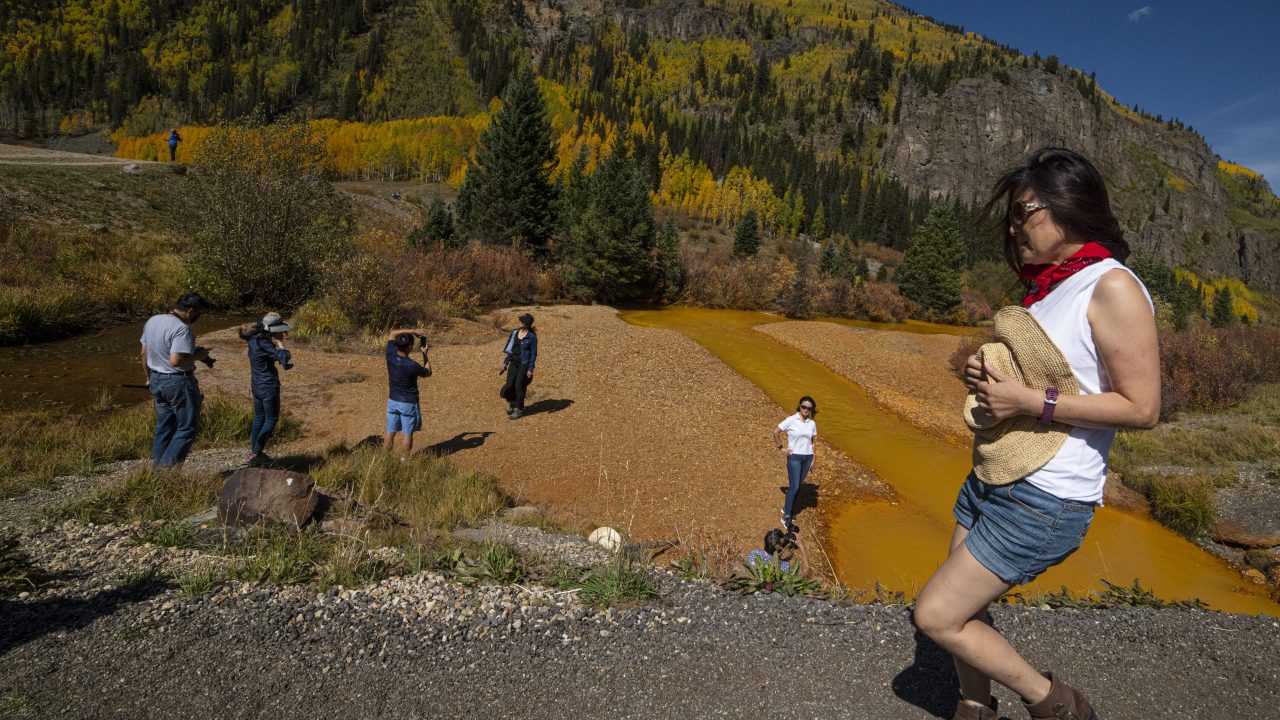
Colorado’s mountain tourism is hitting a rare rough patch — and a weak winter is a big part of why. According to data and local insights cited by the Post Independent and travel analytics firm Inntopia, the 2025–2026 ski season was marked by an unusually warm and dry cycle that left many resorts with depleted snowpacks and a 25% drop in booking pace compared to previous years. That winter shortfall is now casting a long shadow over the summer of 2026.
For nearly a decade, Colorado’s mountain towns operated in what felt like a state of permanent boom. The post-pandemic “revenge travel” surge sent visitor numbers soaring, and record snowfall seasons kept the momentum going. But the conditions that fueled that run have shifted — and the Rockies are adjusting to a new reality.
This isn’t a collapse. It’s a recalibration. And understanding what’s driving it matters whether you’re planning a trip to Vail, running a business in Breckenridge, or simply watching how climate and economics intersect in one of America’s most iconic travel destinations.
When a Bad Winter Follows You Into Summer
In mountain economies, the relationship between seasons isn’t just atmospheric — it’s financial. Winter is the engine. Summer is what runs on the fuel that engine generates. When ski season underperforms, the ripple effect doesn’t stay contained to January and February.
The 2025–2026 ski season’s warm, dry conditions produced what observers described as “sad snowpacks” across many Colorado resorts. Skier visits dropped, discretionary spending in resort towns fell, and the budgets that local businesses, hospitality operators, and tourism boards typically carry into summer were already thinner than usual.
Towns like Vail and Breckenridge — which depend heavily on the cyclical flow of visitor dollars — are now navigating that tighter financial landscape heading into the warmer months. The challenge isn’t simply fewer tourists. It’s that the economic cushion that typically softens a slow summer simply isn’t there this year.
What’s Actually Driving Colorado’s Summer Tourism Slowdown
The snowpack problem is real, but it’s not the only factor shaping summer 2026. According to the source data, Colorado’s mountain tourism is facing a complex mix of pressures converging at the same time:
- Economic sensitivity among travelers: Visitors are increasingly scrutinizing what they get for their money in high-cost resort destinations.
- Shifting value perceptions: There’s a broader change in how travelers define “value” in mountain travel — and Colorado’s premium pricing is facing more competition from other destinations.
- Winter hangover effect: A poor ski season reduces not just winter revenue but also the enthusiasm and loyalty that often converts first-time winter visitors into summer returnees.
- Meager snowpack: Beyond the economic impact, low snowpack affects summer conditions directly — stream levels, wildflower blooms, and hiking trail quality are all tied to winter precipitation.
| Factor | Impact on Summer 2026 |
|---|---|
| 2025–2026 ski season snowpack | Unusually warm and dry; described as “sad snowpacks” |
| Winter booking pace | Down approximately 25% compared to prior years |
| Resort town budgets | Tighter heading into summer; towns like Vail and Breckenridge adjusting |
| Traveler behavior | Increased economic sensitivity and shifting value expectations |
| Prior boom period | Nearly a decade of “perpetual peak” driven by revenge travel and strong snowfall |
Who Feels This Most — and How
The people most directly affected by this shift are the ones whose livelihoods are woven into the mountain tourism economy. Small hospitality businesses — hotels, vacation rentals, restaurants, gear shops — that stretched during the boom years now face a summer with softer demand and thinner margins.
For travelers, the picture is more nuanced. A slowdown in bookings can actually create better conditions for those willing to visit — potentially less crowding, more availability, and operators who are more motivated to compete on experience and price. But that’s cold comfort for communities that built their economic models around consistent growth.
The broader concern raised by analysts and local observers is structural. When winter underperforms and summer follows suit, mountain towns face pressure to rethink their tourism models entirely — moving away from chasing record numbers and toward what “ That word carries weight. Resilience means planning for variability, not assuming the boom will always return.
Trading Records for a More Durable Model
There’s something quietly significant in the framing Colorado’s tourism sector is adopting for 2026. The conversation is shifting from “how do we break last year’s record?” to “how do we build something that holds up when conditions aren’t perfect?”
That’s a meaningful pivot for destinations that spent years measuring success purely in visitor volume and revenue milestones. A resilience-focused approach would prioritize sustainable infrastructure, year-round economic diversification, and travel experiences that don’t depend entirely on snowpack or any single seasonal variable.
Whether Colorado’s mountain towns can execute that shift — and how quickly — remains an open question. But the summer of 2026 is providing a clear and practical lesson in why the attempt matters.
What to Watch for the Rest of the Season
The trajectory of Colorado’s summer tourism will likely depend on a few converging factors in the months ahead. How aggressively resort towns and tourism boards adapt their marketing and pricing strategies will matter. So will broader economic conditions affecting how much American travelers are willing to spend on mountain getaways.
Observers will also be watching whether the shift toward resilience-focused planning produces any tangible changes in how communities manage tourism demand — or whether, if next winter brings strong snowfall, the lessons of 2026 get quietly shelved in favor of chasing the next peak.
For now, the Rockies remain a compelling destination. The mountains haven’t moved. But the economics around visiting them are changing, and both travelers and the communities that host them are feeling it.
Frequently Asked Questions
Why is Colorado mountain tourism slowing down in summer 2026?
A combination of a weak 2025–2026 ski season, meager snowpack, shifting traveler value perceptions, and broader economic sensitivity is contributing to a cooler summer for Colorado’s mountain tourism sector.
How much did Colorado ski season bookings drop in 2025–2026?
According to data cited by the Post Independent and Inntopia, booking pace during the 2025–2026 ski season fell approximately 25% compared to prior years.
Which Colorado towns are most affected?
Does a tourism slowdown mean better conditions for visitors this summer?
Potentially — softer demand can mean less crowding and more competitive pricing, though this has not been specifically confirmed in
What does “resilience” mean in the context of Colorado mountain tourism?
Based on the source framing, it refers to a shift away from chasing record visitor numbers toward building tourism models that can withstand variable conditions like poor snowpack seasons or economic headwinds.
Will next winter’s snowfall determine whether Colorado tourism recovers?
Winter snowpack is described as a key driver of the overall mountain economy, so future snowfall will likely play a significant role — though the source does not make specific predictions about the 2026–2027 season.



Leave a Reply