
Comedy sequels have a reputation problem. For every follow-up that delivers, there are a dozen that feel like a cash grab wearing the original film’s clothes. But every so often, a sequel arrives that doesn’t just match what came before — it genuinely surpasses it.
That’s rarer than it sounds. Comedy is arguably the hardest genre to sequel-ize. Jokes lose their surprise on the second telling. Characters who felt fresh can quickly turn stale. And the pressure to recreate lightning-in-a-bottle moments often produces exactly the kind of desperate, recycled humor that kills comedies dead.
Yet some sequels manage to sidestep all of that. They find new angles, deepen their characters, sharpen their jokes, and occasionally produce something that makes the original look like a rough draft. Here’s a look at comedy sequels that genuinely pulled it off.
Why Comedy Sequels Are So Hard to Get Right
The core problem with comedy sequels is structural. The original film’s humor often depends on novelty — the audience doesn’t know these characters yet, doesn’t know what to expect, and that uncertainty is part of what makes the jokes land. A sequel walks in with all of that mystery already stripped away.
There’s also the trap of repetition. Studios often push filmmakers to replicate what worked the first time, beat for beat, which is precisely how you end up with a film that feels less like a sequel and more like a cover version of a song everyone already knows by heart.
The sequels that succeed tend to do the opposite. They take their characters somewhere genuinely new, raise the emotional or comedic stakes, and trust that the audience wants to be surprised rather than reassured.
Comedy Sequels That Actually Outperformed the Original
The following films are widely regarded by critics and audiences as cases where the sequel delivered more than the original — funnier, sharper, or simply more fully realized as a piece of comedy filmmaking.
| Sequel | Original Film | What Made It Better |
|---|---|---|
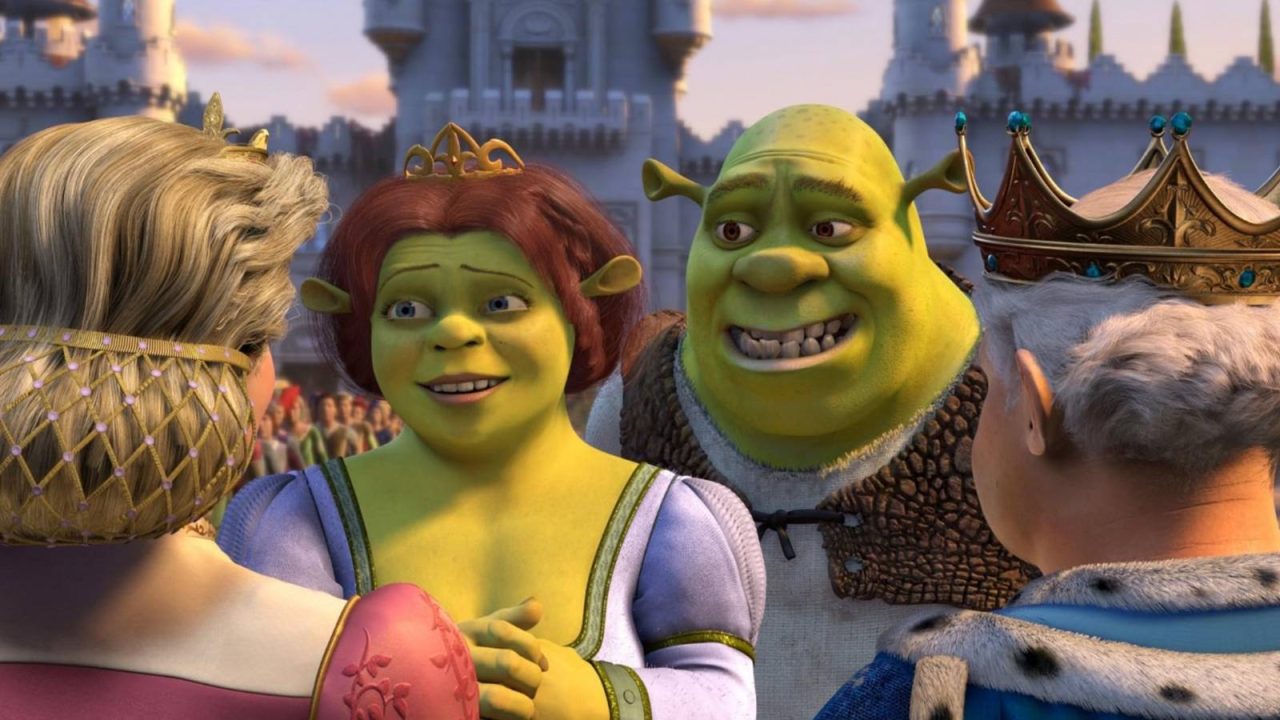
| Shrek 2 | Shrek (2001) | Bigger world, sharper jokes, stronger emotional core |
| 22 Jump Street | 21 Jump Street (2012) | Meta self-awareness elevated the comedy significantly |
| The Dark Knight (comedy-adjacent) | Batman Begins | Widely cited as a sequel that redefined its franchise |
| Addams Family Values | The Addams Family (1991) | Sharper writing and a more confident comedic tone |
| Austin Powers: The Spy Who Shagged Me | Austin Powers (1997) | Found its cultural moment and leaned into it fully |
These aren’t flukes. In each case, the filmmakers understood what the original had established and then deliberately pushed beyond it rather than simply repeating it.
The Patterns That Separate Good Comedy Sequels from Bad Ones
Looking across the history of comedy sequels that outperformed their originals, a few consistent patterns emerge.
- They expand the world rather than just revisiting it. The best sequels introduce new characters, new settings, or new dynamics that genuinely change the story’s possibilities.
- They let characters grow. Audiences invest in characters over time. Sequels that allow meaningful change — even in comedic characters — tend to land harder emotionally and get bigger laughs.
- They’re self-aware without being smug. Films like 22 Jump Street openly acknowledged being a sequel and turned that self-consciousness into comedy gold, without the joke wearing thin.
- They raise the stakes. Comedy doesn’t have to be low-stakes to be funny. Sequels that put their characters in genuinely higher-pressure situations often find richer comic material.
- They don’t just repeat the original’s best jokes. The temptation to recreate a memorable comedic moment is real, but the sequels that resist it almost always come out ahead.
What This Means for Audiences Watching Sequels Now
There’s a practical takeaway here for anyone navigating an entertainment landscape increasingly dominated by sequels, reboots, and franchise extensions. The existence of a sequel to a beloved comedy isn’t automatically bad news.
The question worth asking isn’t “Is this as good as the original?” but rather “Did the filmmakers find something genuinely new to say?” When the answer is yes, sequels can surprise you in ways the original never could — because they carry the weight of established relationships and audience investment that the first film had to build from scratch.
Some of the funniest, most emotionally resonant comedies ever made happen to have a number after their title. That’s not an accident. It’s what happens when creative teams treat a sequel as an opportunity rather than an obligation.
The Broader Case for Giving Sequels a Chance
Sequel skepticism is understandable, especially in comedy. The genre’s history is littered with unnecessary follow-ups that diluted what made the original special. But written-off sequels have a way of aging into cult classics, and films that seemed like pale imitations at release sometimes reveal more depth on rewatch.
The comedy sequels that genuinely outperform their originals tend to share one quality above all others: they were made by people who cared about the story more than the franchise. That’s the real dividing line — not budget, not cast, not even director. It’s whether someone in the room asked “why does this need to exist?” and came up with an honest answer.
When that answer is good, the sequel can be better than anyone expected. Sometimes, it can be better than the film that started it all.
Frequently Asked Questions
Are comedy sequels usually worse than the original?
Generally speaking, comedy sequels have a poor reputation because humor often depends on novelty — but there are notable exceptions where the sequel genuinely outperforms the original.
What makes a comedy sequel better than the original?
The strongest comedy sequels tend to expand their world, develop their characters meaningfully, and find new comedic territory rather than simply repeating what worked the first time.
Is 22 Jump Street considered better than 21 Jump Street?
Many critics and audiences regard 22 Jump Street as the stronger film, largely because of its clever meta-humor and self-aware approach to being a sequel.
Is Shrek 2 really better than the original Shrek?
Shrek 2 is widely considered by critics to be an improvement, with a broader world, sharper comedy, and a stronger emotional story than the first film.
Why is it so difficult to make a successful comedy sequel?
Comedy relies heavily on surprise and novelty, both of which are harder to achieve when audiences already know the characters, the tone, and the style of humor from the original film.


Leave a Reply