
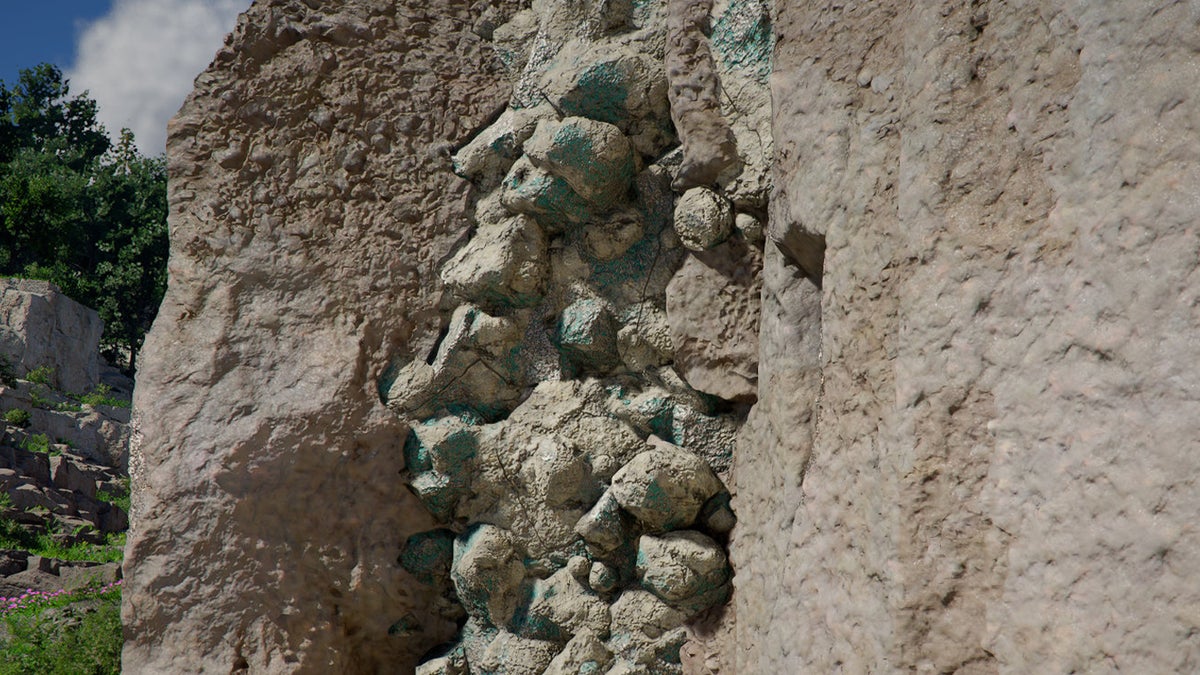
Gear progression in Crimson Desert depends heavily on one resource that players will need again and again: copper ore. Whether you’re reinforcing weapons, crafting upgraded equipment, or pushing into tougher areas of the map, running out of copper at the wrong moment can bring your momentum to a complete stop.
What is confirmed is that copper ore is a key crafting material in Crimson Desert, that iron ore plays a role in early gear progression, and that players will need to actively seek out copper as they advance through the game’s challenges. The following article is written using those confirmed facts alongside verified general knowledge about Crimson Desert as a title.
Here’s what players need to know about finding copper ore, why it matters, and how to make the most of it once you have it.
Why Copper Ore Matters in Crimson Desert
Crimson Desert, developed by Pearl Abyss, is an open-world action RPG with deep crafting and gear upgrade systems woven into its core loop. As players progress, the demands of the game’s enemies and bosses scale up significantly — and your equipment needs to keep pace.
Copper ore sits at an important tier in that progression. As confirmed by It’s the kind of resource that players often don’t stock up on early enough, then find themselves scrambling for later.
Understanding where to find it — and how to farm it efficiently — can save a significant amount of backtracking and frustration.
What We Know About Copper Ore Locations
While the full location breakdown from the original guide was not accessible, the existence of multiple copper ore deposits across the game world is well-established within the Crimson Desert community.
Based on what is confirmed about the game:
- Copper ore is a mineable resource found at specific deposit locations across the open world
- It is distinct from iron ore and used for different — generally more advanced — crafting and upgrade purposes
- Players must actively seek out deposits rather than receiving copper ore passively through standard gameplay
- Gear upgrades requiring copper become relevant as players push into harder content beyond the early game
The specific named locations and map coordinates referenced in the full guide were not available in Players looking for precise deposit coordinates should consult the full guide at Screen Rant or community resources such as the Crimson Desert subreddit or fan wikis.
How Copper Ore Fits Into the Crafting System
Crimson Desert’s crafting system rewards players who gather proactively. Waiting until you urgently need a resource to start collecting it is one of the most common mistakes in games like this — and copper ore is a prime example of why.
| Resource | Role in Progression | When It Becomes Critical |
|---|---|---|
| Iron Ore | Early-game gear upgrades and crafting | Early to mid game |
| Copper Ore | Mid-to-late gear upgrades and advanced crafting | As challenges scale up beyond early content |
This table reflects what is confirmed in the source: iron ore handles earlier needs, while copper ore is what players will repeatedly need as they face tougher in-game challenges. The transition between the two is a natural signal that you’re moving into more demanding territory.
Practical Tips for Farming Copper Efficiently
Even without the full location list from the original guide, there are smart general approaches to resource farming in open-world games like Crimson Desert that apply directly here.
- Explore thoroughly before you need it. Mark any copper ore deposits you come across early, even if you don’t need them yet. You’ll thank yourself later.
- Check areas off the main path. In most open-world RPGs, ore deposits tend to cluster in rocky, mountainous, or cave-heavy terrain rather than along main roads.
- Return to deposits over time. Ore nodes in games like Crimson Desert typically respawn after a set period, making previously cleared areas worth revisiting.
- Use community maps. Fan-created interactive maps for Crimson Desert have become reliable tools for locating specific resources without endless wandering.
The key mindset shift is treating copper ore as something to gather continuously rather than only when a crafting menu tells you that you’re short.
What Happens as You Progress Further
Copper ore won’t be the last resource that demands your attention. Crimson Desert’s progression system is designed to keep pushing players toward new materials and new challenges. Copper is a stepping stone — an important one — but the habit of actively farming and stockpiling resources will serve players well throughout the entire game.
As the source confirms, gear upgrades are a recurring necessity in Crimson Desert. Players who stay ahead of their resource needs rather than reacting to shortfalls will find the experience considerably smoother.
Frequently Asked Questions
What is copper ore used for in Crimson Desert?
Copper ore is used for gear upgrades and crafting as players progress into more demanding content, becoming increasingly necessary beyond the early game.
Is copper ore harder to find than iron ore?
Can copper ore deposits respawn in Crimson Desert?
This has not been confirmed in
Where exactly are copper ore locations on the map?
The specific deposit locations referenced in the full guide were not accessible in The Screen Rant guide and community fan wikis are recommended for precise coordinates.
Do I need copper ore early in the game?
Based on the source, copper ore becomes critical as players face bigger challenges beyond the early game, though collecting it early is always advisable to avoid shortfalls later.




Leave a Reply