
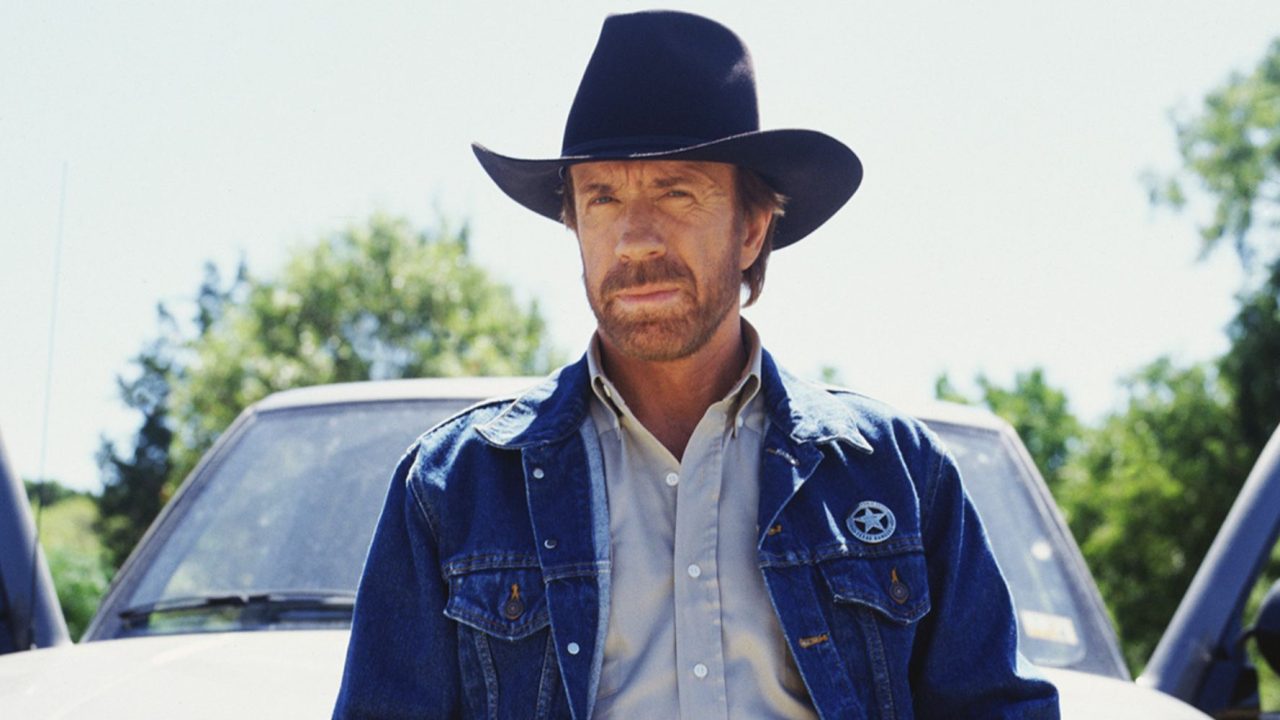
Some crime shows that once felt sharp, gritty, and culturally essential now land very differently when you go back to rewatch them. What passed as edgy or realistic storytelling in the early 2000s — or even more recently — can feel tone-deaf, exploitative, or just plain uncomfortable by today’s standards. And the genre, more than almost any other on television, has a particular habit of aging badly.
The topic of crime shows that have aged poorly has become a genuine conversation among TV fans and critics alike. Procedurals and true-crime dramas dominated television for decades, and not all of them held up under modern scrutiny. Some leaned hard into stereotypes. Others treated serious subjects — sexual violence, racial profiling, mental illness — as little more than plot devices. A few simply reflected the cultural blind spots of the era in which they were made, and those blind spots are now impossible to ignore.
Whether you loved these shows at the time or are discovering them for the first time through streaming, it’s worth understanding why certain crime dramas don’t quite hold up the way their creators may have intended.
Why Crime Shows Are Especially Prone to Aging Poorly
Crime television has always held a mirror up to society — but the reflection it offers is shaped by whoever is holding the mirror. For much of TV history, that meant predominantly white, male creative teams making decisions about how crime, victims, and law enforcement were portrayed on screen.
The result was a genre filled with tropes that felt standard at the time: the tough detective who bends the rules to get results, the female victim whose story exists mainly to drive a male protagonist’s arc, the villain whose mental illness is treated as the entire explanation for their violence. Audiences largely accepted these conventions because they were everywhere. Now, they stand out.
Social conversations around policing, race, gender, and mental health have shifted dramatically over the past decade. Crime shows that never had to reckon with those conversations when they first aired are now being reassessed — and some aren’t surviving the reassessment.
What Makes a Show “Age Like Milk”
The phrase “aged like milk” gets used when something that once seemed perfectly fine has since turned sour in a very obvious way. For crime shows, the souring usually happens in one of a few recognizable patterns:
- Racial stereotyping: Minority characters disproportionately cast as suspects, criminals, or background figures with no real story of their own.
- Mishandling of sexual violence: Rape and assault used as shock-value plot points rather than treated with the weight and seriousness they deserve.
- Glorification of police misconduct: Detectives who lie, intimidate, and break the law presented as heroes rather than as problematic figures.
- Harmful mental health portrayals: Villains whose entire characterization rests on a psychiatric diagnosis, reinforcing stigma rather than challenging it.
- The “fridged” victim problem: Female characters killed or harmed primarily to motivate male characters, with little attention paid to the victims themselves as full human beings.
These patterns weren’t unique to any one show — they were genre-wide habits. But some shows leaned into them harder than others, and those are the ones that now feel most difficult to defend.
The Broader Pattern Across the Genre
It’s not just about individual episodes or specific scenes. The issue runs deeper than a single offensive moment that can be easily skipped. When a show’s entire premise, its central character dynamics, its weekly plot structure, or its moral framework rests on assumptions that no longer hold up, the whole thing becomes a problem.
| Common Flaw | How It Appeared on Screen | Why It Doesn’t Hold Up Now |
|---|---|---|
| Racial profiling played for drama | Suspects of color presented as naturally suspicious | Reinforces real-world harm with no critical framing |
| Sexual violence as plot device | Assault used to establish stakes, then largely forgotten | Minimizes trauma; centers perpetrator over survivor |
| Rogue cop as hero | Rule-breaking detective celebrated for results | Normalizes abuse of power and disregard for rights |
| Mental illness as villain shorthand | Psychiatric conditions used to explain evil behavior | Deepens stigma; misrepresents actual mental health realities |
| Disposable female victims | Women harmed to drive male protagonist’s story | Reduces women to narrative tools rather than full characters |
Why This Conversation Still Matters
Streaming has made it easier than ever to revisit old shows, which means content that might have quietly faded from memory is now being discovered by entirely new audiences — often audiences who are younger, more culturally aware, and less willing to overlook the things that earlier viewers simply accepted.
That’s not a criticism of people who enjoyed these shows when they first aired. Context matters, and television doesn’t exist outside of its cultural moment. But context also means that when a show is watched today, it’s watched in today’s context — not the one it was made in.
Critics and fans who revisit these crime dramas aren’t trying to erase them from history. The conversation is more useful than that. Identifying what went wrong in older shows helps audiences and creators alike understand what better storytelling actually looks like — and why it matters who gets to tell the story, whose perspective is centered, and how vulnerable people are treated on screen.
Crime television at its best can be genuinely powerful. Shows that handle difficult material with care, that treat victims as full human beings, that complicate easy narratives about guilt and justice — those are the ones that tend to hold up over time. The ones that cut corners on those questions are the ones now getting a harder look.
Frequently Asked Questions
What does it mean for a TV show to “age like milk”?
It means the show has not held up well over time — what once seemed acceptable or even praised now feels offensive, tone-deaf, or deeply problematic when viewed through a modern lens.
Why are crime shows particularly likely to age poorly?
Crime dramas frequently deal with race, gender, policing, and mental health — all areas where cultural understanding has shifted significantly, making older portrayals more likely to feel harmful or outdated.
Does criticizing an old show mean it was always bad?
Not necessarily. Many shows reflected the accepted conventions of their era; reassessing them now is about understanding how those conventions caused harm, not about erasing their cultural history.
What are the most common reasons crime shows age badly?
Recurring issues include racial stereotyping, mishandling of sexual violence, glorification of police misconduct, harmful mental health portrayals, and the use of female victims primarily as plot devices for male characters.
Are newer crime shows handling these issues better?
Many newer crime dramas do show more awareness of these pitfalls, though critics note that the genre still has room to improve in how it represents victims, communities of color, and mental health.
Where was the original article about crime shows aging like milk published?
The topic was covered by Collider, a high-traffic entertainment news and criticism website, as part of their ongoing TV coverage.




Leave a Reply