
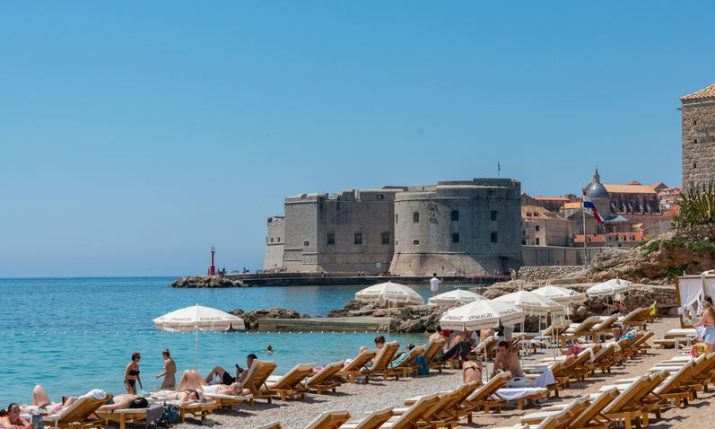
While conflict and economic anxiety are reshaping travel plans across the globe, Croatia is doing something almost no one predicted — it’s getting more bookings, not fewer. Early reservation data for 2026 is holding strong, defying the hesitation that industry analysts widely expected in a year defined by geopolitical tension.
That’s not a small surprise. When wars ripple across continents and uncertainty clouds consumer confidence, tourism is usually one of the first casualties. Croatia appears to be an exception — and the travel industry is paying close attention.
The story unfolding along the Adriatic coast says something meaningful about where nervous travelers are choosing to go when the world feels unstable. And it raises a real question worth asking: what does Croatia have that other destinations don’t right now?
Why Croatia’s Booking Numbers Are Turning Heads
The context matters here. Global travel sentiment in 2026 has been shaped heavily by ongoing conflicts, economic pressure in key source markets, and a general mood of caution. Travel professionals across Europe entered the year bracing for softness — delayed decisions, shorter booking windows, last-minute cancellations.
Croatia has largely avoided that pattern. Rather than watching reservations stall, the country’s tourism sector is reporting early booking figures that are stronger than forecasted. That’s a significant divergence from the broader mood, and it’s prompting serious conversation within the industry about what’s driving it.
The leading theory among travel professionals is straightforward: perceived safety and stability. When travelers are anxious about the state of the world, they don’t necessarily stop traveling — they redirect. They move toward destinations that feel calm, familiar, and secure. Croatia, with its well-established tourism infrastructure and Adriatic appeal, appears to be landing squarely in that category.
More Than 200 Industry Professionals Gathered in Vodice to Assess the Moment
The signal wasn’t just coming from booking platforms. In the coastal town of Vodice, more than 200 tourism professionals came together for a major industry meeting specifically focused on navigating the current climate.
The atmosphere, by accounts from the gathering, was serious — but not pessimistic. Experts addressed wars, travel fears, and economic pressure directly. Travel agencies shared real-time booking insights. And the picture that emerged was more encouraging than many had expected walking in.
The meeting represented something of a turning point in how the sector is reading the situation. Rather than bracing for a downturn, participants were discussing how to adapt, capitalize on Croatia’s stability advantage, and sustain momentum through the rest of the year.
The gathering in Vodice reflected a broader truth: when an industry meets in a moment of uncertainty and comes away with cautious optimism rather than alarm, that’s worth noting.
What’s Actually Driving Travelers Toward Croatia Right Now
Several factors appear to be working in Croatia’s favor simultaneously, based on what’s known from the industry discussions and the booking trends themselves.
- Stability perception: Croatia is seen as removed from active conflict zones, making it feel like a reliable choice in an unreliable year.
- Established infrastructure: The country has spent years building a tourism ecosystem that travelers trust — accommodation, transport, services.
- Adriatic appeal: The coastline, islands, and historic towns remain among Europe’s most visually compelling draws, giving travelers strong motivation to commit.
- Early booking confidence: The fact that bookings are arriving early — not at the last minute — suggests travelers are making deliberate, committed decisions rather than hesitant ones.
That last point is particularly telling. Last-minute bookings can signal anxiety. Early bookings signal intent. Croatia is seeing the latter.
A Snapshot of Where Croatia’s Tourism Stands
| Factor | Status in 2026 |
|---|---|
| Early booking trend | Stronger than predicted |
| Industry sentiment | Cautiously optimistic |
| Tourism professionals gathered in Vodice | More than 200 |
| Primary driver of demand | Perceived safety and stability |
| Broader global travel mood | Cautious due to conflict and economic pressure |
| Croatia’s positioning | Emerging as a safe haven destination |
What This Means for Anyone Thinking About Traveling to Croatia
If you’ve been considering Croatia for 2026, the booking data suggests you’re not alone — and that has practical implications. When demand outpaces expectations at this stage of the year, availability at popular properties and peak-season dates tends to tighten faster than usual.
The message from industry insiders is clear: travelers who are waiting to commit may find fewer options than they expect. The window for getting preferred dates and accommodations may be narrower than in previous years when demand was softer.
For travelers who prioritize certainty — knowing where they’re going, knowing it’s booked, knowing the destination is stable — Croatia is checking every box right now. That’s precisely the profile of traveler that appears to be driving the current surge.
There’s also a broader takeaway here for anyone tracking where global tourism is heading. Stability is increasingly a feature, not just a backdrop. Destinations that can offer a sense of calm in a chaotic world are gaining a competitive edge that no marketing budget alone can manufacture.
What the Rest of 2026 May Look Like for Croatian Tourism
The industry meeting in Vodice made one thing clear: the sector is not resting on early positive signals. Professionals are actively working to sustain the momentum, adapt to shifting conditions, and ensure Croatia’s infrastructure can meet the demand that’s building.
The wider geopolitical picture remains uncertain. If global tensions ease, Croatia benefits from a general rebound in travel confidence. If tensions persist, Croatia’s safe-haven positioning becomes even more valuable. Either way, the country appears well-placed heading into peak season.
What began as a surprising data point — bookings holding strong against expectations — is starting to look less like an anomaly and more like a signal. Croatia has found a moment, and the industry is moving to make the most of it.
Frequently Asked Questions
Are Croatia tourism bookings actually up for 2026?
According to reports from the industry gathering in Vodice, early bookings for 2026 are holding stronger than predicted, defying expectations of a downturn driven by global conflict and economic uncertainty.
Why are travelers still choosing Croatia despite global tensions?
Industry professionals point to Croatia’s perceived stability and safety as key drivers — travelers appear to be redirecting toward destinations that feel secure rather than canceling trips altogether.
What happened at the tourism meeting in Vodice?
More than 200 tourism professionals gathered in the coastal town of Vodice to discuss the impact of wars, travel fears, and economic pressure on the sector, with travel agencies sharing real-time booking data that was more encouraging than expected.
Should I book Croatia early for 2026?
Based on the stronger-than-expected demand signals, industry insiders suggest that waiting may result in fewer available options, particularly for peak-season dates and popular properties.
Is Croatia considered a safe travel destination right now?
Will this booking trend continue through peak season?
This has not yet been confirmed, but the industry meeting in Vodice reflected cautious optimism, with professionals actively working to sustain the momentum through the remainder of 2026.


Leave a Reply