
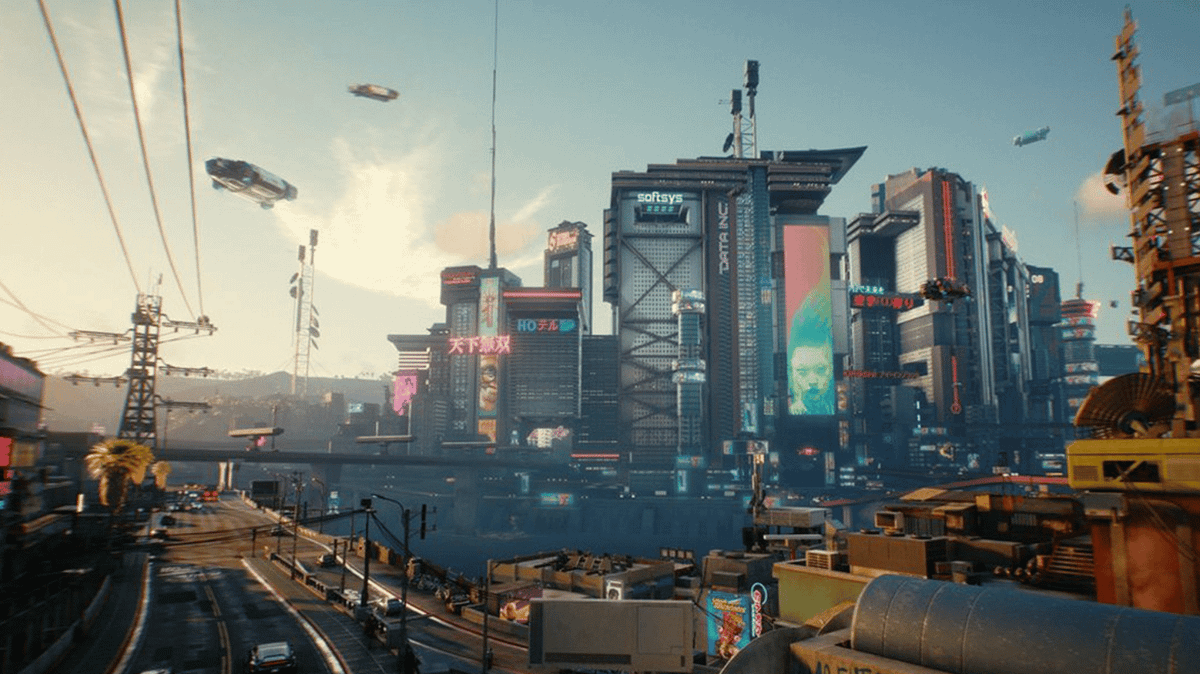
One of the most remarkable redemption stories in gaming history is officially drawing to a close. Cyberpunk 2077, the CD Projekt Red open-world RPG that launched in 2020 under a cloud of bugs, broken promises, and widespread consumer backlash, has now confirmed that its post-launch support era is coming to an end — closing the book on a journey that few players expected to end on such a high note.
The game’s trajectory from disastrous debut to critically celebrated experience is the kind of story the industry rarely gets to tell. And now, with no further DLC planned, fans are being asked to say a final goodbye to Night City.
We have no plans for additional DLCs or expansions. If anything changes, we will inform you all!
— Cyberpunk 2077 (@CyberpunkGame) March 10, 2026
— CD PROJEKT IR (@CDPROJEKTRED_IR) May 28, 2025
For millions of players who stuck around — or came back after the rocky start — this confirmation carries real weight. It’s not just the end of a game’s update cycle. It’s the end of one of gaming’s most unlikely second acts.
How Cyberpunk 2077 Went From Disaster to Legacy Title
When Cyberpunk 2077 launched in December 2020, the response was brutal. The game arrived riddled with performance issues, particularly on last-generation consoles, and Sony temporarily pulled it from the PlayStation Store. CD Projekt Red faced significant backlash, refund demands, and a steep drop in its stock price. The studio’s reputation — built largely on the goodwill of The Witcher 3 — took a serious hit.
What happened next, though, was different from most high-profile failures. Rather than quietly stepping back, CD Projekt Red committed to fixing the game. Patch after patch followed. Performance improved. Systems were overhauled. The studio kept showing up.
By the time the Phantom Liberty expansion arrived, the conversation around Cyberpunk 2077 had shifted dramatically. Critics and players who had written it off were revisiting it with fresh eyes — and finding something genuinely worth their time. The game became a genuine redemption story, cited regularly as proof that studios can recover from even the most damaging launches.
What the End of DLC Support Actually Means
CD Projekt Red has now confirmed that there are no further DLC plans for Cyberpunk 2077. The Phantom Liberty expansion, which launched in 2023, stands as the game’s final major content addition. The studio is moving its focus forward — toward the next chapter in the Cyberpunk universe and other projects in development.
For players still exploring Night City, this doesn’t mean the game disappears. The existing content — the base game, all updates, and Phantom Liberty — remains fully playable. But the pipeline of new stories, missions, and expansions is closed.
This kind of official confirmation matters for a few reasons:
- It gives players a clear picture of what the final version of the game looks like
- It signals where CD Projekt Red’s development resources are now focused
- It marks a symbolic endpoint for a game that defined a turbulent period in the industry
- It invites a final assessment of the game’s legacy on its own complete terms
A Look at Cyberpunk 2077’s Journey: Then vs. Now
| Phase | What Defined It |
|---|---|
| Launch (2020) | Widespread bugs, console performance failures, Sony Store removal, refund controversy |
| Recovery Period (2021–2022) | Multiple major patches, improved stability, gradual rebuilding of player trust |
| Phantom Liberty Era (2023) | Critically praised expansion, renewed mainstream interest, redemption narrative solidified |
| End of Support (2024–2026) | No further DLC confirmed, studio focus shifts to future projects |
Why This Moment Matters Beyond the Game Itself
Cyberpunk 2077’s arc has become a reference point that the broader gaming industry keeps returning to. It sits alongside titles like No Man’s Sky and Final Fantasy XIV as examples of games that survived catastrophic launches through sustained developer commitment.
The conversation it sparked — about crunch culture, overpromising in marketing, and the ethics of selling unfinished games — hasn’t gone away. If anything, the game’s recovery made those questions more complicated, not less. It proved that redemption is possible, but it didn’t erase the circumstances that made redemption necessary in the first place.
For players, the end of DLC support is a prompt to reflect on what the game ultimately delivered. Those who experienced it at launch and those who only came in after the patches have had meaningfully different relationships with Night City. Both perspectives are valid, and both are part of what makes this particular ending feel significant.
What Comes Next for CD Projekt Red and the Cyberpunk Universe
With Cyberpunk 2077’s post-launch chapter officially closed, CD Projekt Red’s attention turns forward. The studio has signaled that the Cyberpunk universe itself is not finished — a sequel project, known internally under early development, has been referenced in the studio’s public communications, though specific details remain limited.
The Witcher franchise also continues to be a major part of the studio’s roadmap. For fans of Cyberpunk 2077 specifically, the wait for whatever comes next in Night City will likely be a long one. But given what CD Projekt Red managed to do with this game after its disastrous start, there’s a reasonable argument for patience.
The era is over. The legacy, complicated as it is, is now fully written.
Frequently Asked Questions
Is Cyberpunk 2077 getting any more DLC?
No. CD Projekt Red has confirmed there are no further DLC plans for Cyberpunk 2077. Phantom Liberty remains the game’s final major expansion.
Can I still play Cyberpunk 2077 after support ends?
Yes. The base game, all updates, and the Phantom Liberty expansion remain fully playable. The end of DLC support does not remove existing content.
What was Phantom Liberty?
Phantom Liberty was Cyberpunk 2077’s major paid expansion, released in 2023, which received strong critical praise and helped cement the game’s redemption narrative.
Will there be a Cyberpunk 2077 sequel?
CD Projekt Red has referenced future projects within the Cyberpunk universe, but specific details about a sequel have not been officially confirmed at this stage.
Why did Cyberpunk 2077 have such a troubled launch?
The game launched in December 2020 with widespread technical issues, particularly severe on last-generation consoles, leading to refund demands and its temporary removal from the PlayStation Store.
Is Cyberpunk 2077 worth playing now that support is ending?
The game, in its current fully patched state including Phantom Liberty, is widely regarded as a strong open-world RPG — a significant turnaround from its original reception in 2020.



Leave a Reply