
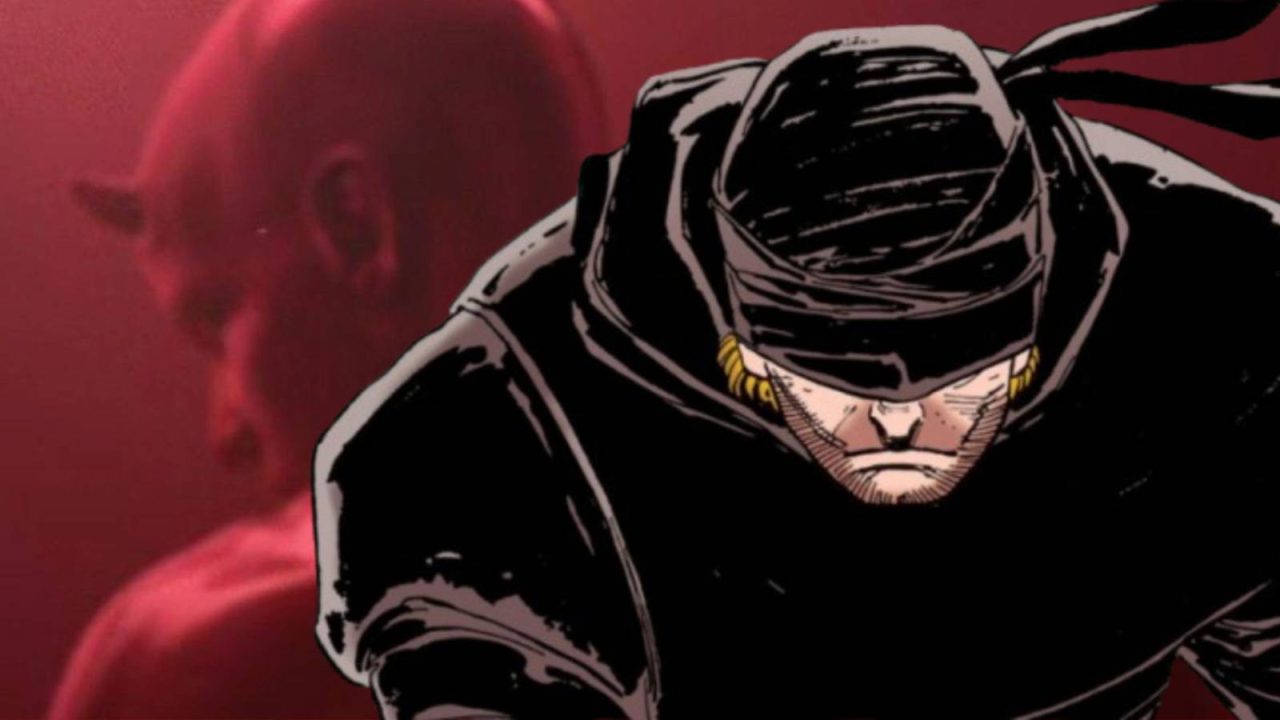
Marvel almost said no to what many fans and critics now consider the greatest Daredevil story ever told. That rejection — and the story’s unlikely path to publication — is almost as compelling as the comic itself.
The story in question has stood the test of time across more than three decades, consistently ranked among the finest superhero narratives ever committed to the page. The fact that it nearly never existed at all makes it something worth understanding — both as a piece of comics history and as a window into how creative risk-taking can define a character forever.
With Daredevil experiencing a major cultural resurgence thanks to his return in the Marvel Cinematic Universe, there’s never been a better moment to look back at where the character’s legacy was truly forged.
The Story That Defined Daredevil for a Generation
Frank Miller’s work on Daredevil in the late 1970s and early 1980s transformed the character from a second-tier Spider-Man knockoff into one of Marvel’s most psychologically complex heroes. Miller brought a noir sensibility to Hell’s Kitchen, grounding Matt Murdock in moral ambiguity, Catholic guilt, and brutal street-level violence that felt genuinely different from anything else Marvel was publishing at the time.
The story widely regarded as Miller’s masterpiece — and Daredevil’s best — is Born Again, the arc published in Daredevil issues #227–233 in 1986, written by Miller with art by David Mazzucchelli. It is the story Marvel initially rejected, and the one that has shaped every serious Daredevil story told in the 33 years since.
Born Again follows the complete destruction of Matt Murdock’s life after Karen Page — his former girlfriend and secretary — sells his secret identity to the Kingpin for a drug fix. Wilson Fisk then systematically dismantles everything Murdock has: his finances, his law career, his home, and ultimately his sanity. It is a story about a man losing everything and asking whether there is anything left worth saving.
Why Marvel Pushed Back — and Why It Almost Didn’t Happen
The concept behind Born Again was considered too dark, too destructive, and too uncomfortable for mainstream superhero publishing at the time. The idea of taking a hero and methodically stripping away every layer of his identity — not through a single dramatic battle but through slow, institutional cruelty — was not what Marvel’s editorial culture was built to support.
Miller had already left Daredevil once before returning to write Born Again. His vision for the character had always pushed against the conventions of the superhero genre, and the story he wanted to tell this time was even more uncompromising than what had come before.
The resistance was real, but the story was ultimately published — and it changed the character permanently. Born Again is not just a Daredevil story. It is widely cited as one of the foundational texts of the darker, more literary era of superhero comics that followed throughout the late 1980s and 1990s.
What Makes Born Again the Best Daredevil Story Ever Told
Several elements combine to make Born Again exceptional in ways that most superhero stories never achieve:
- The villain wins — for most of the story. The Kingpin’s methodical destruction of Matt Murdock is not a temporary setback. It is total. Murdock ends up homeless and broken before anything resembling a recovery begins.
- Karen Page is not redeemed easily. Her betrayal is treated with genuine moral weight. She is not simply forgiven or forgotten — the story forces both her and the reader to sit with the consequences of what she did.
- Faith is central, not decorative. Matt Murdock’s Catholicism was always part of his character, but Born Again makes it structural. His eventual recovery is not a superhero comeback — it is closer to a religious experience of grace after complete collapse.
- Mazzucchelli’s art is irreplaceable. David Mazzucchelli’s visuals matched Miller’s script in tone and precision. The book looks like nothing else Marvel was publishing in 1986.
- The Kingpin is at his most terrifying. Wilson Fisk in Born Again is not a physical threat — he is a systemic one. He destroys Murdock through lawyers, bankers, and bureaucrats. That makes him far more frightening than any supervillain with a weapon.
Born Again’s Lasting Influence on Daredevil
| Story Element | First Established In | Still Used Today |
|---|---|---|
| Kingpin as Daredevil’s primary nemesis | Frank Miller’s original run | Yes — MCU and comics |
| Matt Murdock’s Catholic guilt as a core theme | Miller / Born Again | Yes — across all adaptations |
| Karen Page as a tragic figure | Born Again (1986) | Yes — Netflix series, MCU |
| Hell’s Kitchen as a morally corrupt environment | Miller’s run, deepened in Born Again | Yes — foundational to the character |
| Daredevil as a broken, fallible hero | Born Again | Yes — defines modern interpretations |
Every significant Daredevil story told since 1986 — including Brian Michael Bendis’s celebrated run, Ed Brubaker’s work, and the Netflix television series — draws directly from the template Born Again established. The character’s identity as a man perpetually on the edge of collapse, sustained by faith and stubbornness rather than power, is Miller and Mazzucchelli’s creation.
What This Means for Daredevil Fans Right Now
With Charlie Cox back as Matt Murdock in the MCU and Daredevil: Born Again now the title of the Disney+ series, The show’s title is a direct acknowledgment of the comic’s importance — a signal to longtime fans about what kind of story the creative team aspires to tell.
Whether the MCU adaptation can capture what made the original arc so powerful remains to be seen. But the fact that Marvel chose to name its flagship Daredevil project after a story the company once rejected is its own kind of vindication — 33 years in the making.
For anyone who hasn’t read Born Again, there has never been a better reason to start. It is seven issues long, it is widely available, and it remains the clearest argument that superhero comics can be genuine literature when the right creative team is given the freedom to take real risks.
Frequently Asked Questions
What is the Daredevil story Marvel initially rejected?
The story is widely understood to be Born Again, written by Frank Miller with art by David Mazzucchelli, published in Daredevil issues #227–233 in 1986.
Why did Marvel push back on Born Again?
The story’s concept — systematically destroying a superhero’s life through slow, institutional cruelty rather than a conventional villain battle — was considered too dark and unconventional for mainstream superhero publishing at the time.
Who are the key creators behind Daredevil: Born Again the comic?
Frank Miller wrote the story and David Mazzucchelli provided the artwork. Both are considered essential to what makes the arc exceptional.
Is the Disney+ series Daredevil: Born Again based directly on the comic?
The series takes its title from the comic arc, signaling thematic inspiration, though the specific plot details of the adaptation have not been confirmed to follow the original story beat for beat.
How long is the Born Again comic arc?
Born Again spans seven issues of the Daredevil comic series, specifically issues #227 through #233.
Why is Born Again considered Daredevil’s best story?
It is widely cited for its psychological depth, its use of the Kingpin as a systemic rather than physical threat, its treatment of faith and collapse, and Mazzucchelli’s visually distinctive artwork — all of which set a standard that subsequent Daredevil stories have measured themselves against for over three decades.


Leave a Reply