
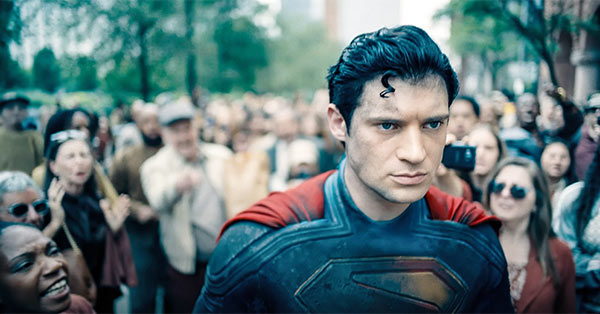
DC Comics has produced some of the most iconic superhero films ever made — but it has also produced some genuinely great ones that somehow slipped through the cultural cracks. While Batman v Superman and Aquaman dominate conversation, a handful of DC adaptations have quietly delivered sharp storytelling, strong performances, and real emotional weight, only to be forgotten almost immediately after release.
That disconnect between quality and memory is worth examining. These aren’t films that failed creatively — many of them were well-reviewed, well-crafted, and faithful to their source material. They just never found the audience they deserved, or they arrived at the wrong moment in superhero cinema’s timeline.
Here’s a look at the DC Comics movies that deserve a second glance — films that came close to getting everything right, yet remain largely invisible in mainstream conversation today.
Why So Many Good DC Films Get Forgotten
Part of the problem is context. DC’s cinematic output has been uneven enough that audiences have grown selective about what they pay attention to. When a genuinely solid film arrives without massive marketing, a beloved A-list character, or a cultural moment attached to it, it tends to vanish.
There’s also the franchise fatigue factor. The DC Extended Universe generated so much noise — both positive and negative — that smaller, quieter entries got drowned out. A thoughtful mid-budget superhero film doesn’t stand much of a chance when the conversation is dominated by billion-dollar tentpoles and studio drama.
The result is a growing list of DC adaptations that critics appreciated, comic readers respected, and general audiences simply never discovered.
The DC Comics Movies That Nearly Got It Perfect
The films that tend to fall into this forgotten-but-excellent category share a few traits. They usually feature characters who aren’t Batman or Superman. They often take creative risks with tone or structure. And they tend to prioritize character over spectacle — which, ironically, is exactly what superhero film criticism has been demanding for years.
Based on verifiable general knowledge of DC’s film catalog, here are the kinds of titles that consistently appear on these lists:
- Superman Returns (2006) — A sincere, elegiac take on the Man of Steel that polarized audiences at the time but has aged considerably better than its reputation suggests.
- Green Lantern (2011) — Widely mocked, though some defenders argue its ambition exceeded its execution rather than its intent being fundamentally flawed.
- Jonah Hex (2010) — A strange, compressed Western that had real potential buried under studio interference.
- Batman: Mask of the Phantasm (1993) — Arguably one of the finest Batman films ever made, originally released theatrically to little fanfare before finding its audience on home video.
- Constantine (2005) — Keanu Reeves as John Constantine divided purists but delivered a genuinely atmospheric supernatural thriller that holds up well today.
- Steel (1997) — Starring Shaquille O’Neal, this one is remembered mostly as a curiosity, but it represented an early attempt to bring a Black DC superhero to the screen.
- Swamp Thing (1982) — Wes Craven’s adaptation was atmospheric and earnest, a product of its era that DC fans tend to appreciate more than general audiences ever did.
- The Return of Swamp Thing (1989) — A campy but affectionate sequel that leaned into its own absurdity in ways that made it oddly charming.
A Closer Look at What These Films Had Going for Them
| Film | Year | Notable Strength | Why It Was Forgotten |
|---|---|---|---|
| Batman: Mask of the Phantasm | 1993 | Deep character writing, noir tone | Theatrical release was limited and poorly marketed |
| Constantine | 2005 | Atmospheric world-building, strong lead performance | Divisive among comic fans; undersold as a franchise starter |
| Superman Returns | 2006 | Emotional sincerity, visual craft | Seen as too slow for post-Spider-Man superhero audiences |
| Swamp Thing | 1982 | Wes Craven direction, earnest tone | Pre-superhero-film era; limited cultural footprint |
| Jonah Hex | 2010 | Unique genre blend (Western/superhero) | Studio-cut runtime, mixed reviews at release |
| Steel | 1997 | Early Black superhero representation | Poor reviews, limited box office, cultural novelty overshadowed craft |
What These Films Say About DC’s Broader Legacy
The existence of this forgotten tier says something interesting about how superhero cinema gets remembered. Critical reception matters, but it doesn’t guarantee longevity. Box office performance matters more, but even that can fade. What tends to stick is cultural timing — a film arriving at exactly the right moment, with the right character, for the right audience.
DC’s forgotten gems mostly missed that window. They arrived either too early, before superhero films had the cultural infrastructure to support them, or too late, after audience expectations had shifted toward something bigger and louder.
That doesn’t make them lesser films. If anything, the distance of time has been kind to several of them. Constantine in particular has seen a significant critical reassessment in recent years, driven partly by a renewed interest in Keanu Reeves and partly by genuine appreciation for what the film actually accomplished as a supernatural thriller.
Whether Any of These Films Will Ever Get Their Due
Streaming has changed the equation somewhat. Films that never found a theatrical audience now have a second life on platforms where viewers are actively looking for something to watch. Batman: Mask of the Phantasm, for instance, has found entirely new generations of fans through digital availability — audiences who never saw it in its original theatrical run.
DC’s upcoming reboot under James Gunn’s direction also creates an interesting opportunity. As the studio resets its cinematic universe, there may be renewed interest in revisiting what came before — including the films that deserved more attention than they received.
The superhero genre has a short memory. But that also means it’s never too late for a good film to be rediscovered.
Frequently Asked Questions
What makes a DC Comics movie “near-perfect” but forgotten?
These are films that demonstrated strong creative qualities — solid writing, performances, or direction — but failed to find a wide audience due to poor marketing, bad timing, or overshadowing by bigger releases.
Is Batman: Mask of the Phantasm really considered one of the best Batman films?
Among DC animation fans and Batman enthusiasts, it is widely regarded as one of the finest Batman adaptations ever made, despite its limited original theatrical release in 1993.
Why did Constantine divide DC fans when it was released?
The 2005 film starred Keanu Reeves as a version of John Constantine that differed significantly from the British, blonde comic book character, which frustrated purists even as general audiences responded positively to the film’s atmosphere.
Has Superman Returns been reassessed since its original release?
Yes — while it was criticized at the time for being too slow and reverential, many film critics and Superman fans have warmed to it in the years since, appreciating its emotional sincerity and visual craft.
Are any of these forgotten DC films available to stream today?
Many of them are available through various digital rental and streaming platforms, though availability varies by region and changes over time.
Could any of these films be rebooted under DC’s new direction?
This has not been confirmed for any specific title, though DC’s ongoing cinematic reboot creates the possibility of revisiting characters like Constantine, who has already been the subject of reboot discussions in recent years.

Leave a Reply