
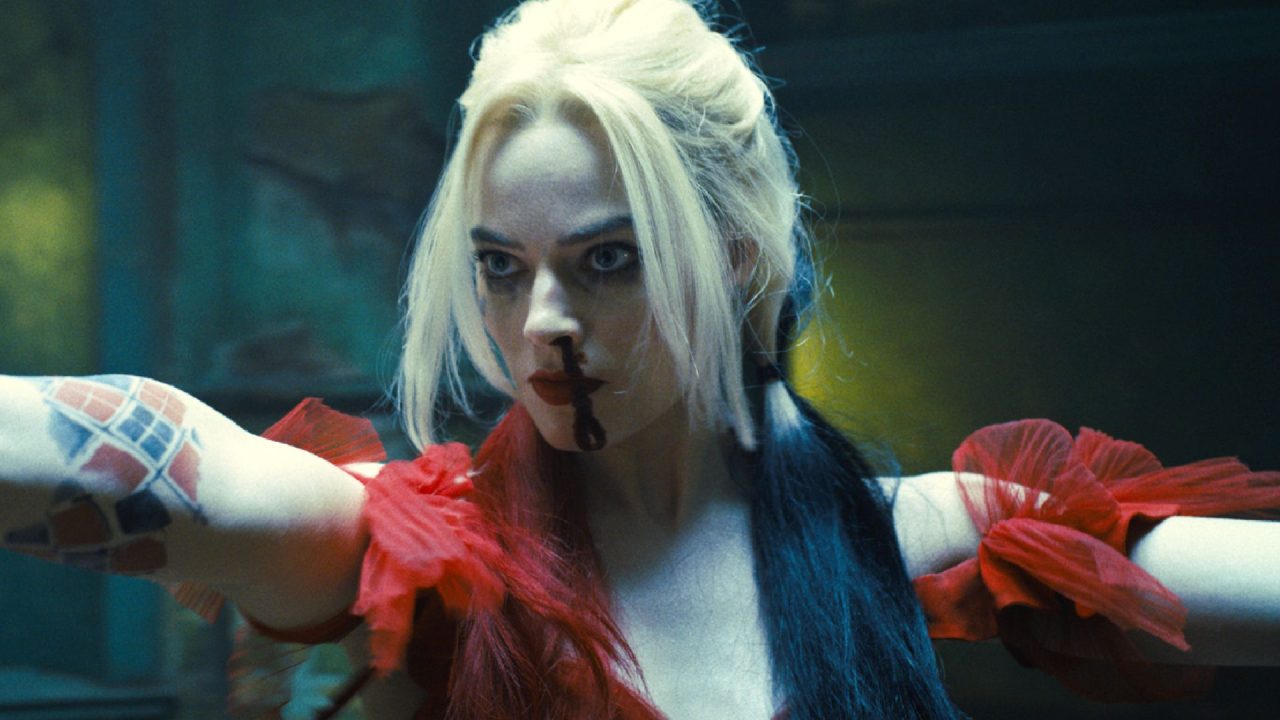
What happens when a beloved film gets a second chance through an entirely different story? That question sits at the heart of one of the more intriguing conversations happening in genre entertainment right now — and it connects a critically admired DC Studios misfire to an upcoming fantasy adaptation that fans are already watching closely.
The Suicide Squad, James Gunn’s 2021 R-rated DC film, was widely praised by critics for its anarchic energy, irreverent humor, and willingness to kill off major characters without warning. But despite that goodwill, it underperformed significantly at the box office, becoming one of the more puzzling commercial disappointments of that era of DC Studios output. Five years later, the conversation around what that film represented — and what it could have been — hasn’t fully gone away.
Now, an upcoming fantasy adaptation is drawing comparisons to The Suicide Squad in ways that go beyond surface-level aesthetics. According to coverage from Screen Rant, this new project is being discussed as a spiritual successor to Gunn’s film — carrying forward the same DNA of dark humor, ensemble misfit energy, and genre-blending ambition that made The Suicide Squad stand out even when audiences didn’t show up for it in theaters.
Why The Suicide Squad Still Matters Five Years Later
Released in August 2021, The Suicide Squad hit theaters during a complicated moment — pandemic-era box office uncertainty, a crowded streaming landscape, and a DC brand that was still struggling to find consistent footing with general audiences. Despite being a significant creative step forward for DC, the film failed to recoup its reported production budget through domestic theatrical receipts alone.
What made the disappointment sting more was the quality. Critics recognized the film as genuinely different from the bloated, self-serious superhero fare that had dominated the genre. It was weird, violent, funny, and emotionally surprising in ways audiences hadn’t been conditioned to expect from a DC property. The Suicide Squad had a voice. It just couldn’t find its audience at the right time and in the right place.
That gap between critical appreciation and commercial success is exactly why the idea of a spiritual successor carries real weight. It isn’t just about replicating a visual style — it’s about proving that the sensibility behind The Suicide Squad has a place in mainstream genre storytelling.
What Makes Something a “Spiritual Successor”
The term gets thrown around loosely in entertainment coverage, but it means something specific in this context. A spiritual successor isn’t a sequel, a remake, or a franchise extension. It’s a new story, often in a completely different setting or genre, that carries forward the emotional and creative philosophy of an earlier work.
In the case of The Suicide Squad, that philosophy includes several identifiable elements:
- An ensemble cast of morally complicated or outright villainous characters forced into reluctant cooperation
- Dark, self-aware humor that doesn’t undercut genuine emotional stakes
- A willingness to subvert genre expectations — including killing characters audiences expect to survive
- Practical and stylistic boldness that prioritizes creative voice over franchise safety
- Genre blending that refuses to stay neatly inside one category
The upcoming fantasy adaptation being discussed in this context is said to share these qualities in ways that feel more than coincidental — suggesting either direct creative influence or a parallel instinct toward the same kind of storytelling.
The Box Office Failure That Deserves a Second Look
| Film | Release Year | Critical Reception | Box Office Result |
|---|---|---|---|
| The Suicide Squad | 2021 | Widely praised by critics | Significant underperformance at domestic box office |
The numbers told one story. The cultural conversation told another. In the years since its release, The Suicide Squad has built a stronger reputation on streaming than it ever managed in theaters — a pattern that has become increasingly common for genre films that arrive at the wrong moment or with insufficient marketing support.
That delayed appreciation matters because it reframes how we think about the film’s legacy. A box office failure is a financial fact, but it isn’t always a creative verdict. The Suicide Squad is now regularly cited as one of the better DC films of its era, which makes the prospect of something carrying its spirit forward feel genuinely exciting rather than like corporate nostalgia mining.
Why Fantasy Is the Right Genre for This Kind of Story
Fantasy as a genre has always been hospitable to the kind of ensemble misfit storytelling that The Suicide Squad executed so well. From classic sword-and-sorcery tales to modern prestige television, fantasy regularly features groups of morally ambiguous characters — thieves, assassins, outcasts, reluctant heroes — thrown together by circumstance and forced to work toward a common goal they may not fully believe in.
That structural similarity means a fantasy adaptation doesn’t need to force the comparison to The Suicide Squad. The genre itself provides natural space for the same creative instincts to operate. Dark humor lands differently when the stakes involve magic and monsters. Character deaths hit harder when the world feels genuinely dangerous. And ensemble dynamics become richer when every character carries a distinct cultural and moral identity.
If the upcoming adaptation can deliver on those qualities, it won’t just remind audiences of The Suicide Squad — it may actually accomplish what that film attempted but couldn’t fully achieve: becoming a mainstream hit that doesn’t compromise its creative identity to get there.
What Fans and Critics Are Watching For
The framing of any new project as a successor to a beloved underperformer comes with a specific kind of pressure. Fans of The Suicide Squad have spent years arguing that the film deserved better. They’ll be watching the fantasy adaptation with both hope and skepticism — hoping it captures the same energy, skeptical that any new project can replicate what made the original special without simply imitating it.
The distinction between influence and imitation will likely determine how this adaptation is received. If it feels like a genuine extension of a creative philosophy, it could rehabilitate the legacy of The Suicide Squad by proving the approach works. If it feels like a checklist of surface-level similarities, it risks disappointing the exact audience it’s trying to reach.
Either way, the conversation connecting these two projects reflects something real about how genre audiences think about storytelling — and how a film’s cultural afterlife can outlast its opening weekend by years.
Frequently Asked Questions
What is The Suicide Squad and why did it underperform?
The Suicide Squad is James Gunn’s 2021 R-rated DC film that received strong critical praise but failed to meet box office expectations, making it one of DC Studios’ notable commercial disappointments of that era.
What does “spiritual successor” mean in this context?
A spiritual successor is a new project that shares the creative philosophy and tone of an earlier work without being a direct sequel or remake — in this case, carrying forward the dark humor, ensemble misfit energy, and genre-blending ambition of The Suicide Squad.
Which specific fantasy adaptation is being discussed as the spiritual successor?
Has The Suicide Squad found a larger audience since its theatrical release?
The film is widely reported to have performed better on streaming platforms than in theaters, and its critical reputation has grown in the years since its 2021 release.
Will the fantasy adaptation be connected to DC Studios in any way?
This has not been confirmed in the available source material — the connection described is creative and thematic rather than a formal franchise or studio link.
Why does a five-year-old box office result still matter today?
Because The Suicide Squad’s delayed appreciation on streaming has reframed it as a creative success despite its commercial shortfall, making the idea of a project carrying its spirit forward feel culturally relevant rather than simply nostalgic.


Leave a Reply