
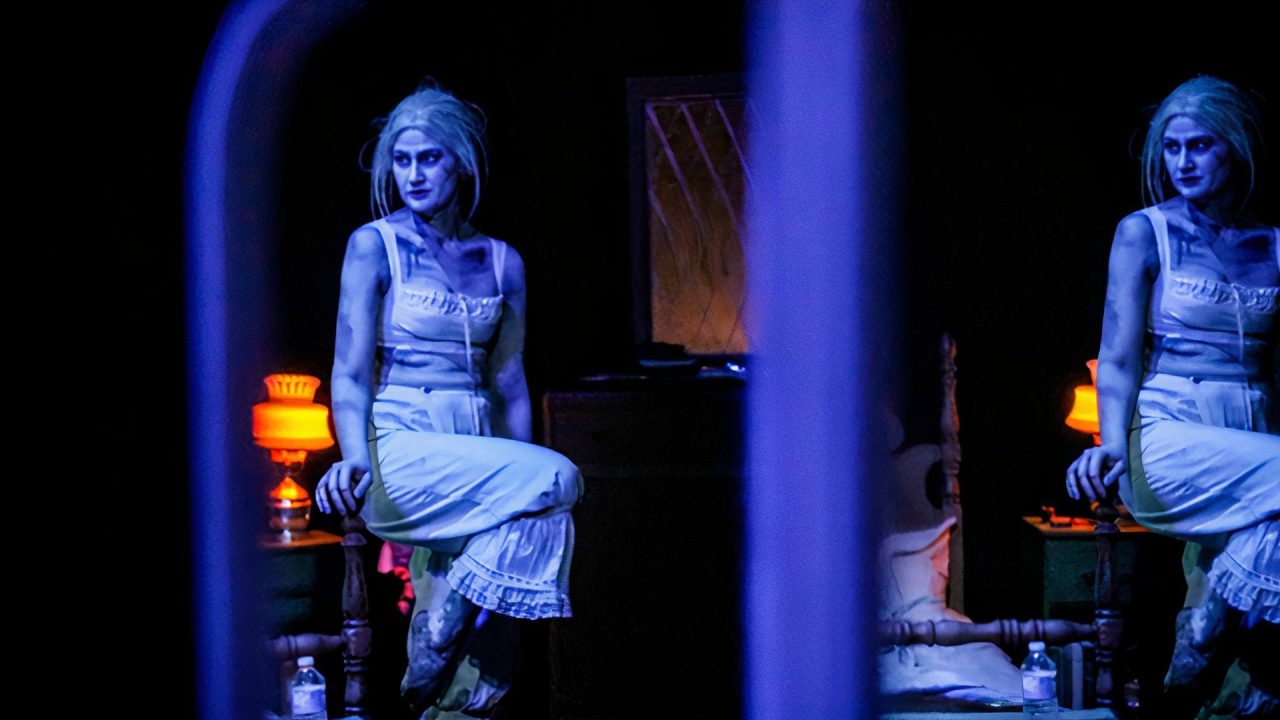
What does it mean to bring someone back from the dead — and what do you owe them once you do? That question sits at the center of Dead Lover, a new film from writer-director-star Grace Glowicki that uses the bones of Mary Shelley’s Frankenstein to build something quietly radical and deeply strange.
The film has drawn attention for its willingness to subvert one of literature’s most enduring myths — not by loudly dismantling it, but by bending it inward, making it intimate, and filtering it through a distinctly feminist lens. Based on coverage from Screen Rant’s lead film critic Gregory Nussen, Dead Lover is being described as “beguiling in its rebellion” — a phrase that captures the film’s particular energy well.
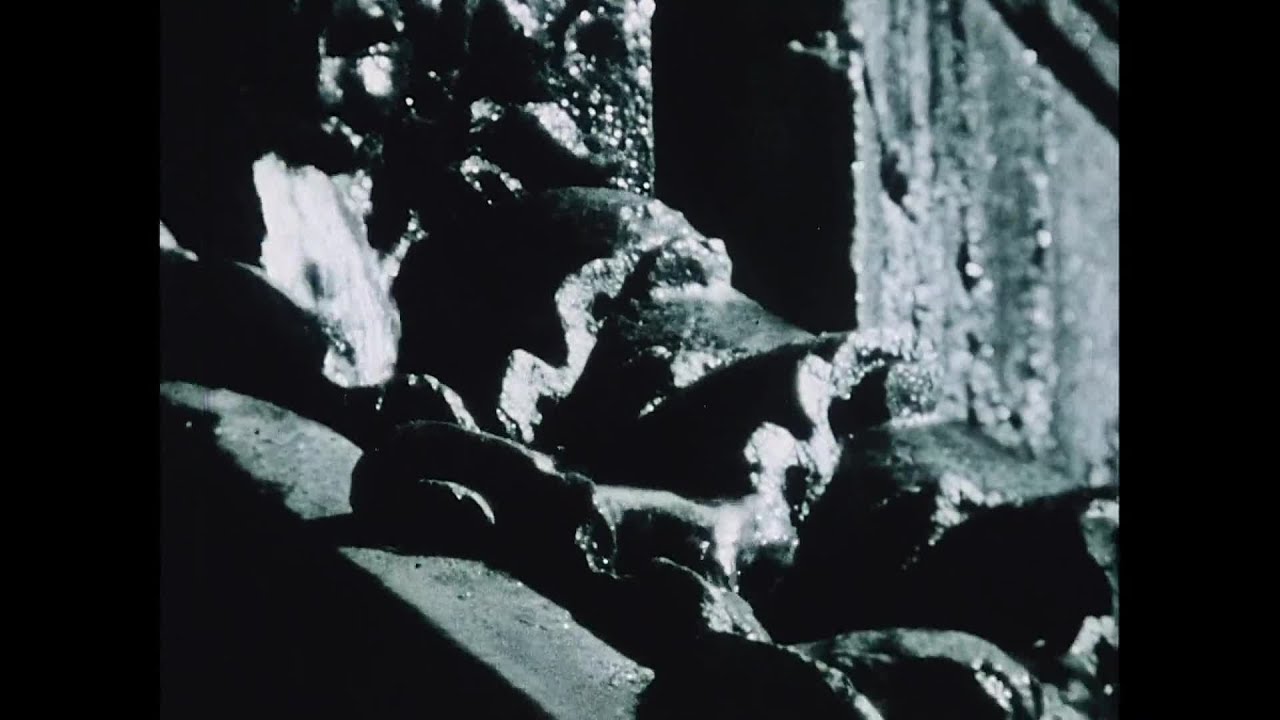
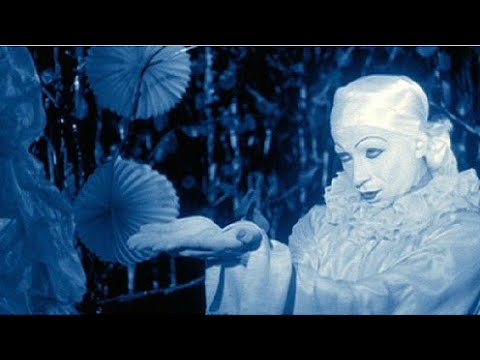
It is the kind of movie that doesn’t announce its intentions. It earns them slowly.
What Dead Lover Actually Is — And Why the Frankenstein Connection Matters
Mary Shelley’s Frankenstein has been adapted, reimagined, and strip-mined for parts across two centuries of storytelling. What makes Dead Lover notable isn’t that it returns to that source — it’s how it returns. Rather than centering the creator’s obsession or the creature’s horror, the film appears to interrogate the power dynamics embedded in the original myth from a different vantage point entirely.
Grace Glowicki, who wrote, directed, and stars in the film, brings a performer’s instinct to the material. Her previous work has established her as a filmmaker interested in bodies, discomfort, and the social contracts people form — and break — with one another. Dead Lover fits squarely into that ongoing conversation.
The “riff” framing matters here. This is not a straight adaptation. It is a film that borrows the architecture of Shelley’s premise and uses it to ask new questions — about ownership, resurrection, desire, and what happens when the resurrected refuses to behave as expected.
The Case for Calling This Film a Rebellion
The word “rebellion” in Nussen’s review is doing real work. It signals that Dead Lover is not simply a quirky genre exercise — it is a film with something to push back against.
The Frankenstein myth, at its core, is a story about a man who creates life and then recoils from what he has made. The creature is born into rejection. The creator’s horror is framed as understandable, even sympathetic. For generations, that dynamic has gone largely unquestioned in popular retellings.
Dead Lover appears to question it directly. By repositioning who holds power, who is the subject and who is the object, and what the act of creation actually costs, the film carves out space for a genuinely different kind of monster story — one where “beguiling” and “rebellious” are not contradictions but the same impulse expressed two different ways.
Grace Glowicki: The Filmmaker Behind the Film
Understanding Dead Lover requires understanding who made it. Grace Glowicki is not a filmmaker working inside the studio system. Her work exists in the space where independent cinema, performance art, and genre filmmaking blur into something harder to categorize — and more interesting for it.
Her decision to take on a Frankenstein riff is not accidental. The original novel was itself written by a young woman — Mary Shelley — whose authorship was doubted and minimized for years. There is a lineage here, a tradition of women using monster stories to say things that more conventional narratives wouldn’t permit. Glowicki appears to be working consciously within that tradition.
The fact that she stars in her own film adds another layer. The creator and the created, the director and the directed, collapse into a single body — which is, depending on how you read it, either the film’s central joke or its central thesis.
What Makes It Worth Watching
Films described as “beguiling” can sometimes be code for “slow” or “difficult.” That’s worth addressing directly. Based on the framing of the review, Dead Lover earns its strangeness — it is not obscure for the sake of obscurity, but genuinely interested in the questions it raises.
The rebellion the film enacts is not a loud one. It doesn’t announce itself with manifestos or heavy-handed symbolism. Instead, it works through accumulation — through the specific choices Glowicki makes as a filmmaker and performer, through the way the Frankenstein premise is quietly reoriented until you realize you’ve been watching something fundamentally different from what you expected.
That kind of filmmaking requires patience from its audience. It also rewards it.
| Element | Details |
|---|---|
| Film Title | Dead Lover |
| Director / Writer / Star | Grace Glowicki |
| Source Inspiration | Mary Shelley’s Frankenstein |
| Genre | Frankenstein riff / independent cinema |
| Critical Description | “Beguiling in its rebellion” |
| Review Source | Screen Rant (Gregory Nussen, Lead Film Critic) |
Why This Film Arrives at the Right Moment
Monster movies and body horror have had a sustained cultural resurgence in recent years, driven in part by filmmakers — many of them women — who are using genre conventions to process questions about autonomy, identity, and the limits of the self. Dead Lover fits into that broader moment without feeling derivative of it.
There is an audience that has been hungry for exactly this kind of film: strange enough to feel genuinely alive, grounded enough to stay emotionally legible, and politically engaged without being didactic. If Dead Lover delivers on the promise of its premise and its maker’s track record, it should find that audience.
The Frankenstein story has survived two hundred years because it keeps finding new things to mean. Grace Glowicki appears to have found one more.
Frequently Asked Questions
What is Dead Lover about?
Dead Lover is a film by Grace Glowicki that riffs on Mary Shelley’s Frankenstein, reexamining the myth’s power dynamics through a distinctly rebellious and feminist lens.
Who made Dead Lover?
Grace Glowicki wrote, directed, and stars in the film, bringing her background as both a filmmaker and performer to the project.
Is Dead Lover a direct adaptation of Frankenstein?
No — it is described as a “riff” on Frankenstein rather than a straight adaptation, borrowing the premise to ask new questions rather than retelling the original story.
Who reviewed Dead Lover for Screen Rant?
Gregory Nussen, Screen Rant’s Lead Film Critic, reviewed the film and described it as “beguiling in its rebellion.”
When was the Dead Lover review published?
The review was published on March 19, 2026.
Is Dead Lover recommended for general audiences?
Based on available source material, the film is positioned as an independent, artistically ambitious work — it is likely best suited to viewers comfortable with unconventional storytelling rather than mainstream genre audiences.



Leave a Reply