
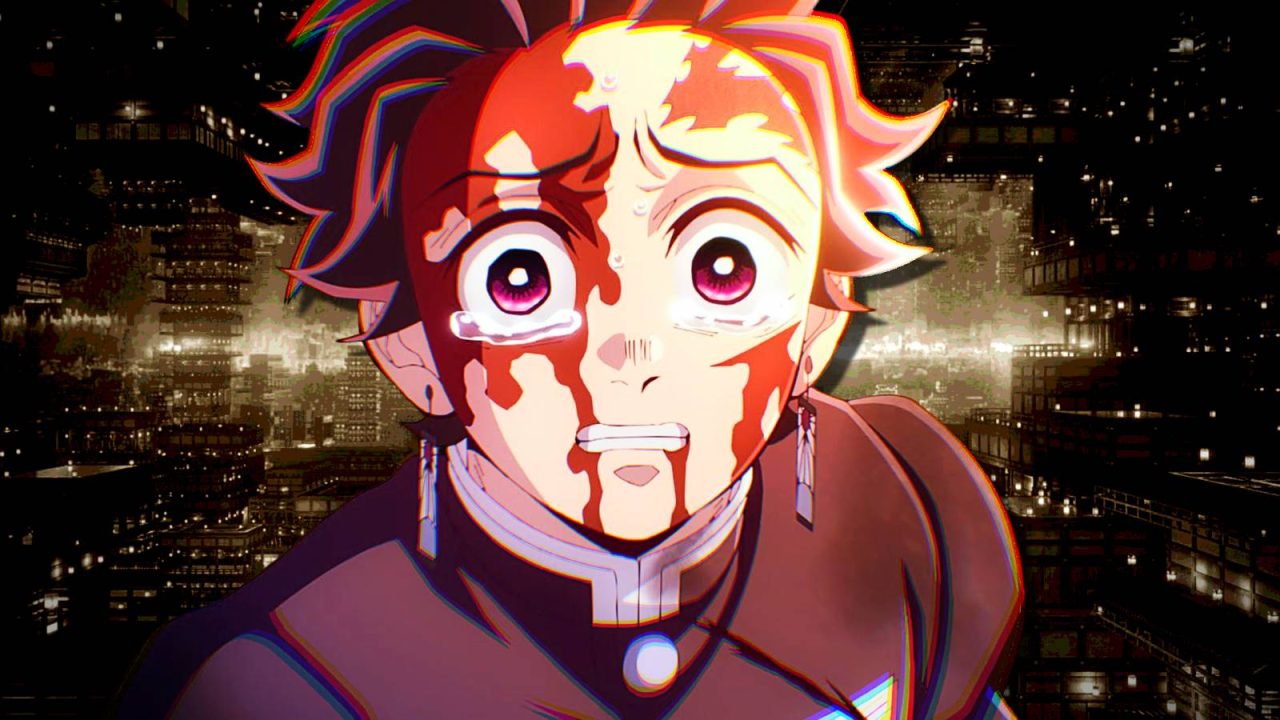
Demon Slayer is one of the most beloved anime series of the past decade — stunning visuals, emotionally rich characters, and fight sequences that genuinely make your jaw drop. But beneath all of that beauty, the series carries a weight that casual viewers might not fully appreciate. The lore, backstory, and world-building Koyoharu Gotouge built into this story are, in places, genuinely disturbing.
Some of the darkest details aren’t front and center. They’re tucked into character histories, the nature of demons themselves, and the brutal reality of what it means to be a Demon Slayer in Taisho-era Japan. Once you know them, certain scenes hit very differently.
This piece draws on verifiable, widely known facts about the Demon Slayer series — its manga, anime adaptation, and established lore — to walk through the darker truths that make this story so much harder to shake once you’ve seen it.
Why Demon Slayer Hits Harder Than It First Appears
On the surface, Demon Slayer looks like a classic shonen adventure. A boy loses his family, trains hard, fights monsters, and grows stronger alongside loyal companions. The animation is extraordinary. The music swells at exactly the right moments. It feels, at times, almost uplifting.
But the series is built on a foundation of genuine tragedy. Tanjiro Kamado doesn’t just lose his family — he watches the aftermath of a massacre and spends the entire series trying to reverse something that cannot be undone. His sister Nezuko is not saved. She is transformed. That distinction matters more than the show sometimes lets on.
The demons themselves are not simply monsters. Almost every significant demon in the series was once a human being who suffered before becoming what they are. That context doesn’t excuse what they do — but it makes every battle feel less like heroism and more like a mercy killing wrapped in tragedy.
The Dark Facts That Change How You See the Series
Several elements of the Demon Slayer universe are genuinely bleak when examined closely. Here are the most significant ones, grounded in established series lore:
- Demons retain memories of their human lives. Many demons remember who they were before Muzan turned them. They’re not mindless — they’re trapped, often reliving their trauma while committing new atrocities.
- Muzan Kibutsuji has been killing for over a thousand years. The scale of suffering he has caused across centuries is almost incomprehensible within the context of the story.
- Demon Slayers have an extremely short life expectancy. The physical toll of using Breathing Techniques — particularly Total Concentration Breathing — gradually destroys the human body. Many slayers die young, and the Corps accepts this as a given.
- The Demon Slayer Corps is not officially recognized by the government. These fighters operate in the shadows, receive no state protection, and are essentially expendable volunteers fighting a war the public doesn’t even know is happening.
- Nezuko’s transformation is irreversible under normal circumstances. The series frames her survival as a miracle, but the truth is that what happened to her on that mountain cannot simply be undone — her humanity is something she has to actively fight to maintain.
- Many of the Upper Moons were victims before they were villains. Characters like Doma and Akaza have backstories rooted in abuse, loss, and suffering that the series takes seriously rather than dismissing.
- Children are not spared. The series does not sanitize the reality that Muzan and his demons prey on the vulnerable — including children — and several arcs deal with this directly.
- The Flame Hashira lineage carries a death sentence. The Rengoku family’s lore reveals a pattern of Flame Hashiras dying in battle, generation after generation, with the knowledge passed down alongside the grief.
A Closer Look at the Toll on Demon Slayers
| Element | Surface Appearance | Darker Reality |
|---|---|---|
| Breathing Techniques | Powerful combat abilities | Physically degrade the user’s body over time |
| The Demon Slayer Corps | Heroic organization fighting evil | Unofficial, unprotected, with no government backing |
| Demon antagonists | Monstrous villains | Former humans, many of whom were victims themselves |
| Nezuko’s survival | A hopeful miracle | An irreversible transformation she must constantly fight against |
| Hashira status | The pinnacle of achievement | A near-guarantee of dying in combat |
Why This Darkness Is Actually the Point
None of this is accidental. Gotouge constructed Demon Slayer as a story about people who keep going in the face of inevitable loss. The darkness isn’t shock value — it’s the entire reason the kindness of characters like Tanjiro feels so radical.
When Tanjiro weeps for the demons he kills, it’s not naivety. It’s a deliberate choice the series makes to honor what those demons lost before they became what they are. That emotional complexity is what separates Demon Slayer from a straightforward action series.
The short lifespans, the unrecognized sacrifice, the irreversibility of what happened to Nezuko — these aren’t background details. They’re the stakes. And once you understand them, rewatching the series becomes a different experience entirely.
What These Facts Mean for How You Watch the Show
Knowing the darker mechanics of the Demon Slayer world doesn’t ruin it. If anything, it deepens the emotional impact of moments that might otherwise feel like standard shonen beats.
Rengoku’s death lands harder when you understand the generational curse attached to his lineage. Nezuko’s small acts of humanity carry more weight when you know how close she is to losing them entirely. And Tanjiro’s relentless optimism reads less like a character trait and more like an act of defiance against a world that has given him every reason to give up.
That tension — between beauty and brutality, between hope and inevitability — is what makes Demon Slayer genuinely great. The dark facts don’t make it harder to love. They make it impossible to forget.
Frequently Asked Questions
Do demons in Demon Slayer remember being human?
Yes — many demons, particularly the Upper Moons, retain memories of their human lives, which is a core part of what makes them tragic figures rather than simple villains.
Is the Demon Slayer Corps an official organization?
No. Within the series’ lore, the Corps operates without government recognition or protection, meaning its members fight and die without any official acknowledgment.
Does using Breathing Techniques have a cost?
Yes. The physical demands of advanced Breathing Techniques take a serious toll on the human body, contributing to the short life expectancy of many Demon Slayers.
Can Nezuko become fully human again?
The series treats her continued humanity as something she actively fights to maintain rather than a given — her transformation is established as irreversible under normal circumstances.
Are the demon antagonists portrayed with backstories?
Many of the significant demons, including several Upper Moons, are given detailed backstories rooted in human suffering, which the series presents seriously rather than as simple justification for their actions.
Is Demon Slayer considered appropriate for younger viewers despite its dark themes?
The series carries a TV-14 rating in most markets, reflecting its combination of intense violence and emotionally heavy content — the darker lore elements make it more complex than its colorful aesthetic might suggest.


Leave a Reply