
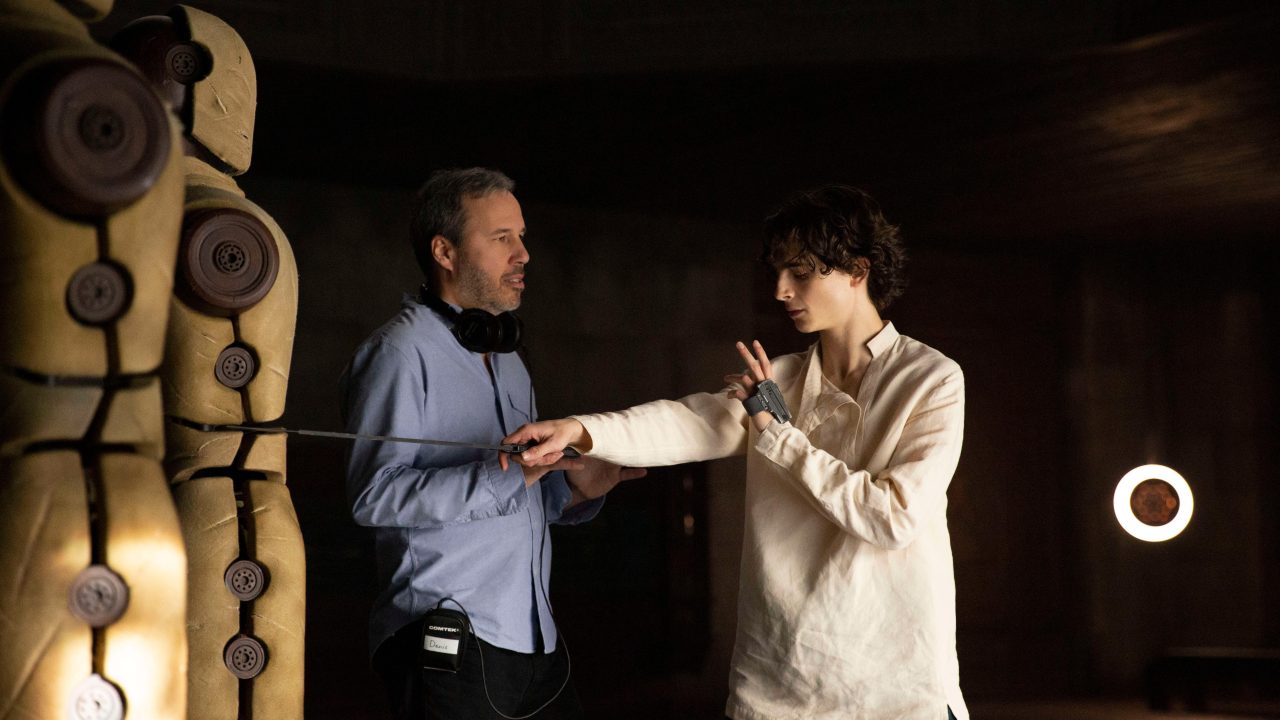
Franchise fatigue is real — and most moviegoers feel it. After years of bloated superhero sequels and diminishing returns, it takes something genuinely extraordinary to cut through the noise and remind audiences why big-screen storytelling still matters.
The Dune franchise has done exactly that. Denis Villeneuve’s adaptation of Frank Herbert’s legendary science fiction novels has earned near-perfect critical scores and assembled what many film observers consider one of the greatest ensemble casts in modern cinema history. In an era when most franchises struggle to maintain quality across multiple entries, Dune has managed to do the opposite — building momentum with each installment.
It’s a rare thing. And it’s worth understanding why this particular franchise has succeeded where so many others have stumbled.
Why the Dune Franchise Stands Apart From the Crowd
Franchise fatigue has affected an entire generation of stories. The constant revolving door of Marvel and DC films has conditioned audiences to expect spectacle over substance, quantity over quality. Against that backdrop, Dune arrives as something almost countercultural — a prestige science fiction epic that treats its source material with genuine seriousness.
Frank Herbert’s original 1965 novel is widely considered one of the most complex and influential works in science fiction literature. It covers politics, religion, ecology, colonialism, and the dangers of messianic leadership — themes that don’t exactly scream easy blockbuster adaptation. Previous attempts to bring it to screen, most notably David Lynch’s 1984 version, struggled to capture its depth.
Villeneuve’s approach has been different. By splitting the story across multiple films and refusing to simplify its ideas, he has created something that feels genuinely cinematic rather than just commercially calculated.
The Cast That Makes This Franchise Exceptional
One of the most discussed aspects of the Dune franchise is the sheer density of talent it has attracted. This is not a franchise built around a single star — it’s an ensemble where nearly every role, including supporting ones, is filled by an actor of serious pedigree.
The films have brought together a remarkable cross-section of Hollywood’s best working talent, spanning generations and styles. What makes it especially striking is that many of these actors are not simply showing up for a paycheck — the performances across both films have been widely praised as genuinely committed and layered.
Observers have noted that the caliber of the cast reflects how seriously the creative team approached the project. When actors of this stature sign on, it signals something about the material’s ambition.
Critical Reception: The Numbers Behind the Praise
The Dune franchise has achieved something most Hollywood franchises never manage — near-perfect critical scores across multiple entries. That kind of consistency is exceptionally rare, particularly for a franchise operating at this scale and budget level.
For context, most major franchise films see their critical scores decline with each sequel as novelty wears off and creative compromises accumulate. The Dune films have bucked that trend entirely.
| Film | Critical Reception | Notable Recognition |
|---|---|---|
| Dune: Part One (2021) | Near-perfect critical scores across major platforms | Multiple Academy Award wins including Best Cinematography |
| Dune: Part Two (2024) | Near-perfect critical scores across major platforms | Widely praised as a rare franchise sequel that matches or exceeds its predecessor |
Achieving high marks on aggregators like Rotten Tomatoes, Letterboxd, and Metacritic simultaneously is genuinely difficult. Films that please critics on one platform often divide audiences on another. Dune has managed to satisfy across the board — a testament to how the films have been received both critically and culturally.
What This Franchise Gets Right That Others Get Wrong
It’s worth asking the obvious question: why does Dune work when so many comparable franchise attempts don’t?
Part of the answer lies in creative control. Villeneuve has been given the space to tell the story on his own terms, across the timeframe he needs, without the kind of studio interference that has visibly damaged other franchise projects. That freedom shows on screen.
Part of it is also Herbert’s novels provide a foundation rich enough to sustain multiple films without running out of ideas or emotional depth. The world-building is so elaborate that each film can introduce new layers rather than simply recycling familiar beats.
And part of it is simply the commitment of everyone involved — from the director to the cinematographer to the actors — to treat the project as serious art rather than a content delivery mechanism.
What Comes Next for the Dune Universe
The success of the first two films has naturally generated significant interest in where the franchise goes from here. Herbert’s original novels extend well beyond the story told in Part One and Part Two, and the broader Dune universe includes additional books that could theoretically sustain further adaptations.
There is also the HBO Max prequel series Dune: Prophecy, which has expanded the universe in a different direction, exploring the origins of the Bene Gesserit sisterhood centuries before the events of the main films. The existence of that series suggests that the appetite for Dune content extends beyond the theatrical films and that the rights holders are actively invested in building a larger franchise ecosystem.
Whether Villeneuve continues with a third film covering the events of Herbert’s later novels remains a subject of significant fan and industry interest. The critical and commercial performance of the first two films makes a strong case for continuation.
Frequently Asked Questions
What is the Dune franchise?
The Dune franchise refers to Denis Villeneuve’s film adaptations of Frank Herbert’s science fiction novels, beginning with Dune: Part One in 2021 and continuing with Dune: Part Two in 2024.
Why are the Dune films considered so critically successful?
The films have achieved near-perfect scores across major critical platforms including Rotten Tomatoes, Letterboxd, and Metacritic, which is exceptionally rare for a major franchise operating at blockbuster scale.
What makes the Dune cast stand out?
The franchise is widely recognized for assembling one of the greatest ensemble casts in modern cinema, with high-caliber talent filling both leading and supporting roles across both films.
Is there a Dune TV series?
Yes — Dune: Prophecy is a prequel series that explores the origins of the Bene Gesserit sisterhood and expands the universe established in the theatrical films.
Will there be a third Dune film?
This has not yet been officially confirmed, though the strong critical and commercial performance of the first two films has generated significant interest in a continuation of the story.
How does Dune compare to other major sci-fi franchises?
Unlike many franchise properties that have suffered from diminishing critical returns, Dune has maintained near-perfect scores across multiple entries — a level of consistency that sets it apart from most modern franchise filmmaking.


Leave a Reply