
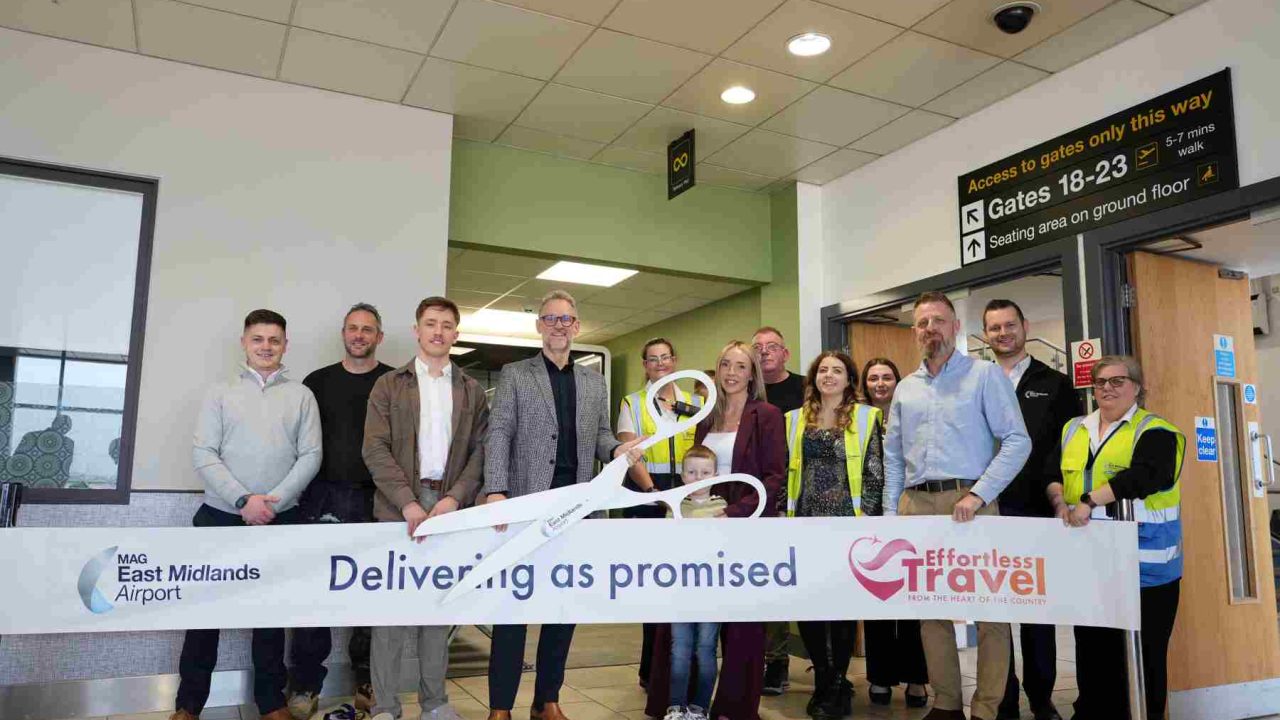
For millions of neurodivergent travellers and those living with anxiety, an airport terminal can feel less like the start of an adventure and more like an overwhelming gauntlet of noise, crowds, and unpredictability. East Midlands Airport is now directly addressing that reality with two new dedicated facilities designed to make air travel genuinely accessible for passengers who need a quieter, calmer experience.
The airport has introduced a new Quiet Room and what is described as a first-of-its-kind CalmPod sensory pod at a UK airport — a dedicated enclosed space where passengers can step away from the sensory intensity of the main departure lounge. The timing was deliberate: the launch was aligned with Neurodiversity Celebration Week, a global initiative that recognises the strengths and contributions of neurodiverse individuals.
It is a signal that airports, long designed around the needs of the majority, are beginning to reckon with what accessibility truly means beyond wheelchair ramps and hearing loops.
What East Midlands Airport Has Actually Built
The two new facilities are distinct but complementary. The Quiet Room has been positioned away from the busy main departure lounge — deliberately removed from the foot traffic, announcements, and ambient noise that can make the pre-flight environment so difficult for neurodivergent passengers and those experiencing anxiety.
The CalmPod goes a step further. It is a dedicated sensory pod — a self-contained environment where a passenger can temporarily withdraw from noise and sensory stimulation entirely. According to the source reporting, this type of installation is a first for any UK airport, which makes East Midlands Airport a genuine pioneer in this space rather than simply following an established trend.
Together, these two spaces represent a structured, physical commitment to inclusion — not just a policy statement or a helpline number, but actual infrastructure built to serve passengers whose needs have historically been overlooked.
Why the CalmPod and Quiet Room Matter for Neurodivergent Passengers
Air travel is, by its nature, a high-stimulation environment. Departure terminals combine bright lighting, constant public address announcements, crowds, queuing, security procedures, and time pressure into a single sustained experience. For neurotypical passengers, this is manageable — stressful, perhaps, but navigable. For individuals with autism, sensory processing differences, ADHD, anxiety disorders, or other neurodivergent conditions, the same environment can be genuinely distressing or even prohibitive.
Advocates for neurodivergent travellers have long argued that the aviation industry’s approach to accessibility has lagged behind other transport sectors. Physical accessibility — ramps, lifts, priority boarding — has improved considerably. But sensory and emotional accessibility has received far less attention, despite the fact that neurodivergent individuals represent a significant portion of the travelling public.
The introduction of a sensory pod specifically designed for airports is notable because it acknowledges a different kind of need: not the need for physical assistance, but the need for temporary refuge from an overwhelming sensory environment.
Key Details at a Glance
| Facility | Location | Purpose | Notable Status |
|---|---|---|---|
| CalmPod Sensory Pod | East Midlands Airport terminal | Enclosed space for withdrawal from noise and sensory stimulation | First of its kind at a UK airport |
| Quiet Room | Away from the main departure lounge | Calmer environment for passengers experiencing anxiety or sensory overload | Part of the same inclusive access initiative |
- Both facilities are designed specifically to support neurodivergent customers and individuals experiencing anxiety
- The Quiet Room is positioned away from the busy main departure lounge to reduce ambient noise and stimulation
- The CalmPod offers a more enclosed, dedicated sensory environment for passengers who need to fully withdraw
- The launch was timed to coincide with Neurodiversity Celebration Week, a global awareness initiative
- The CalmPod installation is reported as a first for any UK airport
Who This Affects — and Why It Goes Beyond One Airport
The passengers most directly served by these facilities are those who have previously found air travel difficult or impossible to manage — people with autism spectrum conditions, sensory processing disorders, anxiety, ADHD, and related neurodivergent profiles. For many of them, or for parents travelling with neurodivergent children, the knowledge that a calm, low-stimulation space exists within the terminal can meaningfully change the experience of flying.
But the broader significance here is what this move signals to the rest of the UK aviation industry. East Midlands Airport is not a major hub on the scale of Heathrow or Gatwick, which makes its decision to invest in pioneering sensory infrastructure all the more notable. If a regional airport can install a first-of-its-kind sensory pod and dedicate space to a genuine Quiet Room, the question naturally arises: why haven’t larger, better-resourced airports done the same?
Supporters of inclusive travel design argue that facilities like these should be standard across all UK airports, not exceptional. The fact that the CalmPod is described as a first for any UK airport suggests the industry still has considerable ground to cover.
What Comes Next for Inclusive Airport Design
The launch of these facilities during Neurodiversity Celebration Week suggests East Midlands Airport intends this as a public-facing commitment, not a quiet operational change. Aligning the rollout with a recognised global awareness week indicates the airport wants to signal its direction of travel to passengers, disability advocates, and potentially to other airports watching how this is received.
Whether other UK airports follow with similar installations has not yet been confirmed. But the introduction of a physical sensory pod — rather than simply a designated corner of an existing room — sets a new practical benchmark that will be difficult to ignore as conversations about accessibility in aviation continue to develop.
For neurodivergent travellers planning a trip through East Midlands Airport, these facilities are now available in the terminal. Passengers are advised to check directly with the airport for the precise location and any access arrangements for the Quiet Room and CalmPod.
Frequently Asked Questions
What is the CalmPod at East Midlands Airport?
The CalmPod is a dedicated sensory pod installed at East Midlands Airport that provides passengers with an enclosed space to temporarily withdraw from noise and sensory stimulation in the terminal.
Is this the first sensory pod at a UK airport?
Yes, according to the available reporting, the CalmPod installation at East Midlands Airport is described as a first of its kind at any UK airport.
Who are these facilities designed for?
The Quiet Room and CalmPod are designed specifically to support neurodivergent passengers and individuals experiencing anxiety, offering a calmer alternative to the busy main departure lounge.
Where is the Quiet Room located within the airport?
The Quiet Room has been positioned away from the main departure lounge to reduce exposure to the noise and activity of the busier terminal areas.
Why was the launch timed with Neurodiversity Celebration Week?
The airport aligned the unveiling of its new facilities with Neurodiversity Celebration Week, a global initiative that recognises the strengths and contributions of neurodiverse individuals.
Will other UK airports introduce similar sensory facilities?
This has not yet been confirmed. The CalmPod at East Midlands Airport is currently reported as a UK first, but whether other airports will follow has not been announced.



Leave a Reply