
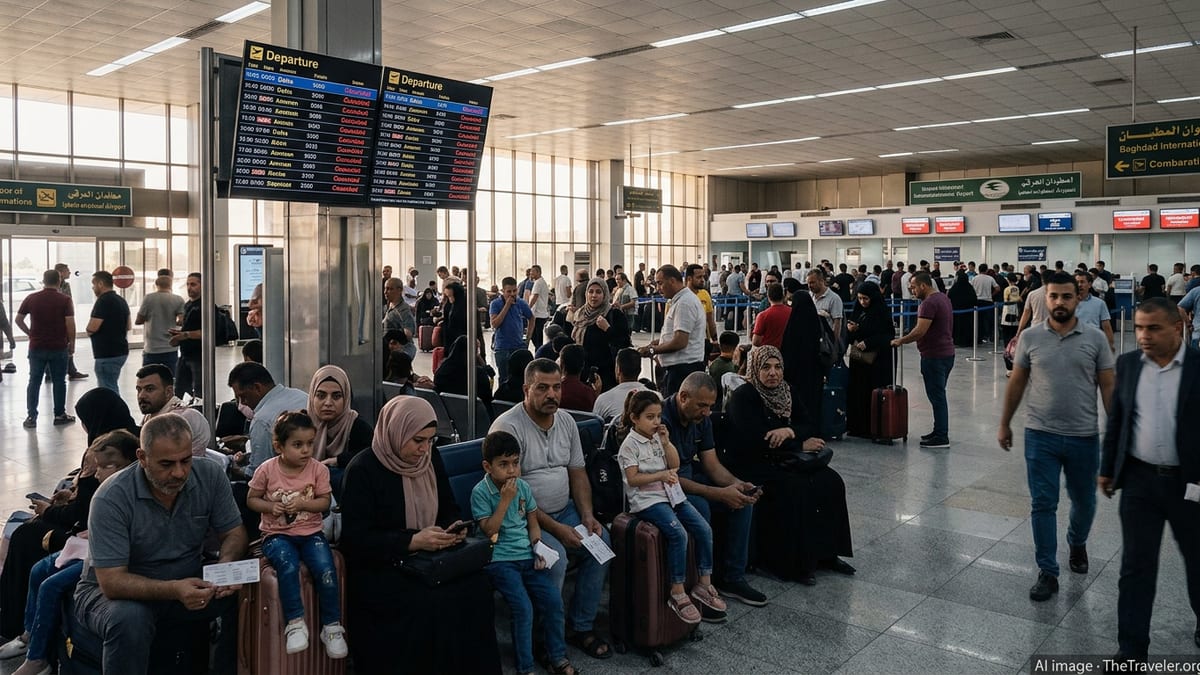
More than 52,000 flights have been cancelled across some of the world’s most recognizable airlines — and the ripple effects are now hitting hotels, travel budgets, and tourism economies on three continents.
Qatar Airways, Emirates, Etihad, British Airways, Air France, Lufthansa, and Turkish Airlines are all reported to be among the carriers affected by this sweeping disruption, which has been driven by a geopolitical crisis that continues to destabilize global travel patterns. The scale of the cancellations is difficult to overstate: 52,000-plus grounded or rerouted flights represents a shock to the aviation system not seen in years.
And it isn’t just airlines absorbing the damage. Marriott and Hilton — two of the largest hotel groups on the planet — are now slashing prices in response to collapsing demand, as international arrivals dry up and booking cancellations pile up across their properties worldwide.
What Is Actually Happening to Global Air Travel Right Now
The immediate cause of this disruption is an ongoing geopolitical crisis, the specifics of which continue to evolve. What’s clear is that the fallout has been severe enough to force major airlines to ground flights, restructure routes, and reroute passengers at enormous operational cost.
Tourism demand from three of the world’s most important source markets — India, the United Kingdom, and the United States — has dropped sharply. These aren’t minor markets. Together, they represent hundreds of millions of potential travelers and billions of dollars in annual travel spending. When demand collapses in all three simultaneously, the effect on airlines and hotels is compounding and fast.
Airlines have been left managing a dual crisis: the logistical nightmare of rerouting passengers away from affected airspace or destinations, and the financial pressure of operating with dramatically reduced load factors on routes that remain open.
The Airlines and Hotels Caught in the Middle
The carriers named in connection with the 52,000-plus cancellations span the Gulf, Europe, and beyond. Each operates extensive long-haul networks that depend heavily on connecting traffic from markets like India, the US, and the UK.
| Airline | Hub | Key Affected Markets |
|---|---|---|
| Qatar Airways | Doha, Qatar | India, UK, US |
| Emirates | Dubai, UAE | India, UK, US |
| Etihad | Abu Dhabi, UAE | India, UK, US |
| British Airways | London, UK | UK, US, India |
| Air France | Paris, France | UK, US |
| Lufthansa | Frankfurt, Germany | UK, US |
| Turkish Airlines | Istanbul, Turkey | India, UK, US |
On the hospitality side, Marriott and Hilton are now cutting room rates in an effort to stimulate what demand remains. Both companies operate thousands of properties globally, and their occupancy rates are directly tied to the health of international air travel. When flights stop, hotel rooms empty — and the pressure to discount becomes unavoidable.
Why India, the UK, and the US Matter So Much
The collapse in demand from these three specific markets isn’t incidental — it’s structural. India has become one of the fastest-growing sources of outbound tourism in the world, with its expanding middle class driving demand across Asia, the Gulf, and Europe. A slowdown in Indian travel sends shockwaves through Gulf carriers like Emirates, Etihad, and Qatar Airways, which have built their connecting hub models partly around Indian passenger volumes.
The UK and the US, meanwhile, are the two largest English-speaking outbound travel markets globally. British and American travelers collectively account for enormous shares of international hotel occupancy, inbound tourism revenue, and long-haul flight capacity. When uncertainty grips those markets — whether economic, geopolitical, or both — the effects show up almost immediately in booking data.
The combination of all three markets pulling back at once is what makes this moment particularly severe for the travel industry.
What This Means If You Have a Trip Planned
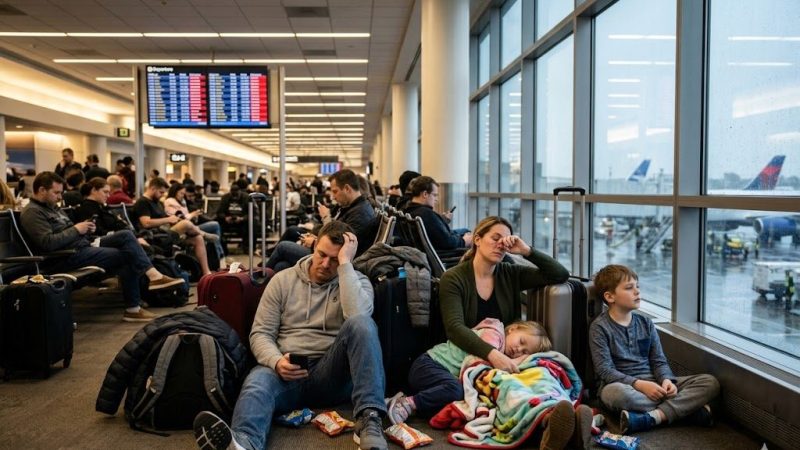
For travelers with upcoming flights on any of the affected airlines, the practical reality is uncertainty. Airlines managing this level of disruption typically prioritize rebooking passengers on alternative routes, but timelines and options vary significantly depending on the carrier and the destination.
- Passengers on cancelled flights should contact their airline directly to understand rebooking options
- Travel insurance policies that cover geopolitical disruption may provide some protection — check the specific terms
- Hotel price cuts from chains like Marriott and Hilton could represent genuine value for flexible travelers, though demand conditions remain unpredictable
- Travelers from India, the UK, and the US face the most direct exposure to disrupted routes and altered itineraries
For anyone not yet booked, the pricing environment is shifting. Hotel rates coming down from major chains is a real signal — and airfare on surviving routes may also soften as airlines compete for a shrinking pool of travelers willing to fly.
What Comes Next for the Aviation and Hospitality Industries
The immediate priority for airlines is stabilization — finding ways to manage capacity, reduce losses on grounded aircraft, and retain passenger confidence. The longer-term question is how quickly demand recovers once the underlying geopolitical situation resolves or stabilizes.
For Marriott, Hilton, and the wider hotel industry, the price-cutting strategy carries its own risks. Discounting can drive short-term occupancy but erodes revenue per room — a metric the industry watches closely. If the demand slump extends beyond a few weeks, the financial pressure on hospitality companies will intensify.
Analysts who follow the travel sector have noted in past disruptions that recovery timelines are highly uneven — some routes and destinations bounce back within months, while others take years to return to pre-crisis levels. The current situation, with source markets as large as India, the US, and the UK all affected simultaneously, suggests the recovery path may be longer than airlines and hotels would hope.
For now, the industry is in reactive mode — managing cancellations, adjusting prices, and waiting to see how the geopolitical picture develops.
Frequently Asked Questions
Which airlines have been affected by the 52,000+ flight cancellations?
Qatar Airways, Emirates, Etihad, British Airways, Air France, Lufthansa, and Turkish Airlines are among the carriers reported to be impacted by this wave of cancellations.
Why has tourism demand collapsed in India, the UK, and the US?
The drop in demand is linked to an ongoing geopolitical crisis that has created significant uncertainty for international travelers in all three markets.
Are Marriott and Hilton actually cutting hotel prices?
Yes, both Marriott and Hilton are reported to be slashing prices in response to falling international arrivals and a rise in booking cancellations at their properties.
What should I do if my flight has been cancelled?
Contact your airline directly for rebooking options, and check whether your travel insurance policy covers geopolitical disruptions.
How long is this disruption expected to last?
This has not yet been confirmed — recovery timelines will depend heavily on how quickly the underlying geopolitical situation stabilizes.
Is this a good time to book travel given the hotel discounts?
Flexible travelers may find genuine value in reduced hotel rates from major chains, but conditions remain unpredictable and flight availability on affected routes continues to shift.


Leave a Reply